Prime Pay
The capital existed. The trust didn't.
Prime Pay sits between FMCG companies, the retailers they supply and the banks that could fund them. We built the strategy, the identity and the investor collateral for a company whose job is to make trust circulate between three parties that had never shared it.
What we did
The real question
Fintechs sell speed. Faster credit, faster onboarding, a dashboard for everything. Prime Pay had something harder to sell: a position between FMCG companies, retailers and banks, each of which wanted stability more than speed. The harder question is how a young company earns a bank's trust while promising to be neither the lender nor the hero.
Starting point
Three parties, one gap, and nobody in the middle
FMCG companies lose sell-out every time a retailer can't restock. Retailers under-order because their capital is locked in stock and long payment terms. Banks have the money but not the data to lend to thousands of small shops. Each side had a problem. None of them owned the gap.
How we thought about it
Nobody wanted financing, only what it makes possible
We worked through all three customers with the founders, and the same finding came back each time. FMCG companies wanted stable distribution. Banks wanted a lending market they could measure. Retailers wanted to restock without asking. That turned the company from a financing tool into a mechanism for aligning interests.
The decision
A neutral layer, not a lender
We turn real trade data into faster, safer capital decisions.
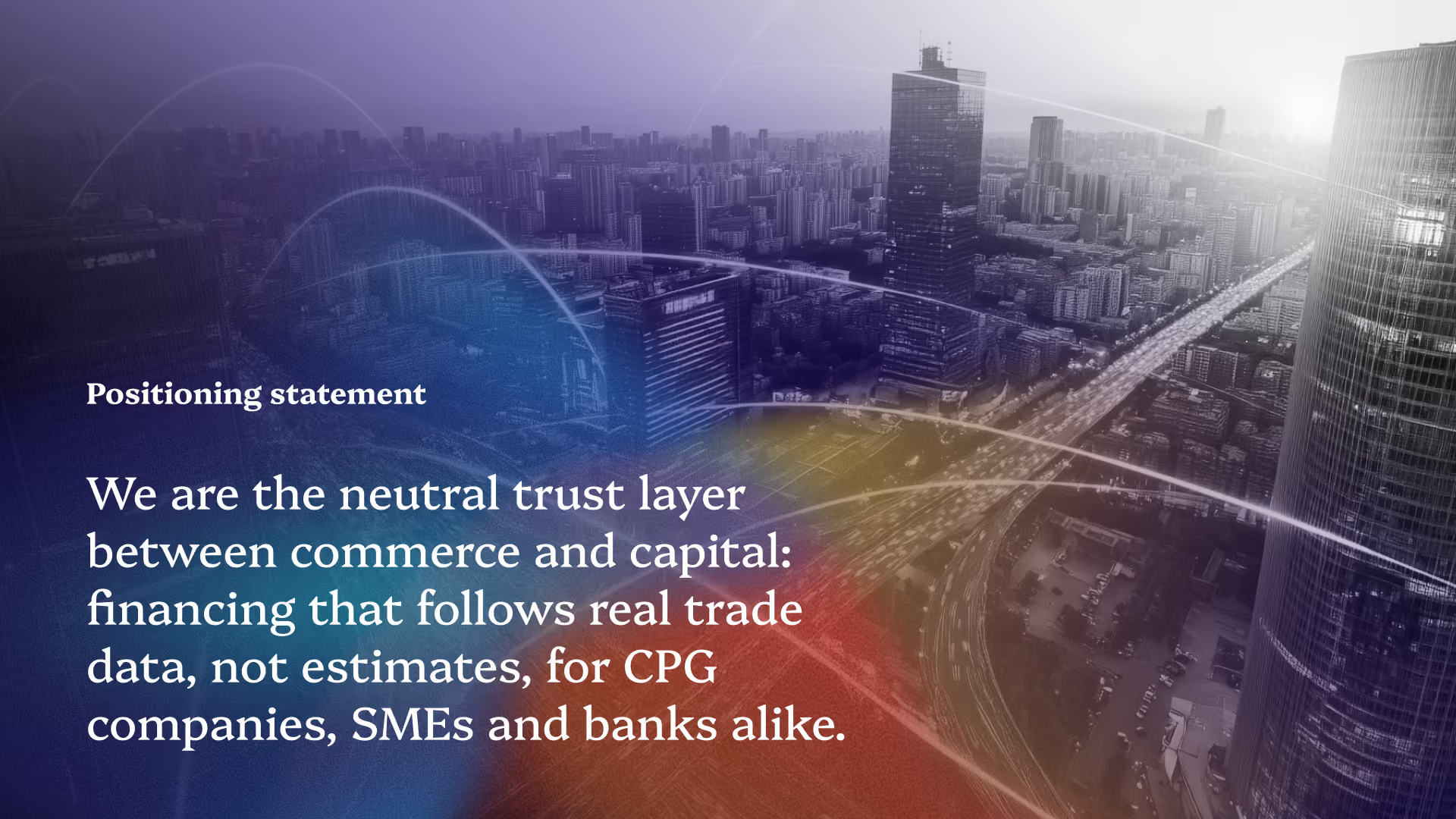
Prime Pay stops competing as a financial product and takes the position nobody in the category holds: the trust infrastructure between commerce and capital. It doesn't lend and it doesn't replace the bank. It makes a retailer's real behaviour legible to the people with the money.
Evidence · the work
Trust had to be built as a system, not asked for
Everyone in the category asks for trust and promises speed. The strategy started from the opposite premise: trust is not a feeling, it is an output of structure, data and consistent behaviour. So the brand would never ask for it. It would produce it, and transfer it between the three parties.
Strategic opportunities
From there we found two spaces nobody in the category held. A neutral trust infrastructure between FMCG, retailer and bank, one that finances nothing itself. And a category narrative, the short cycles economy, where speed is a safety signal: small exposures, short cycles, fast decisions. Risk positioned, not removed.

From strategy into design
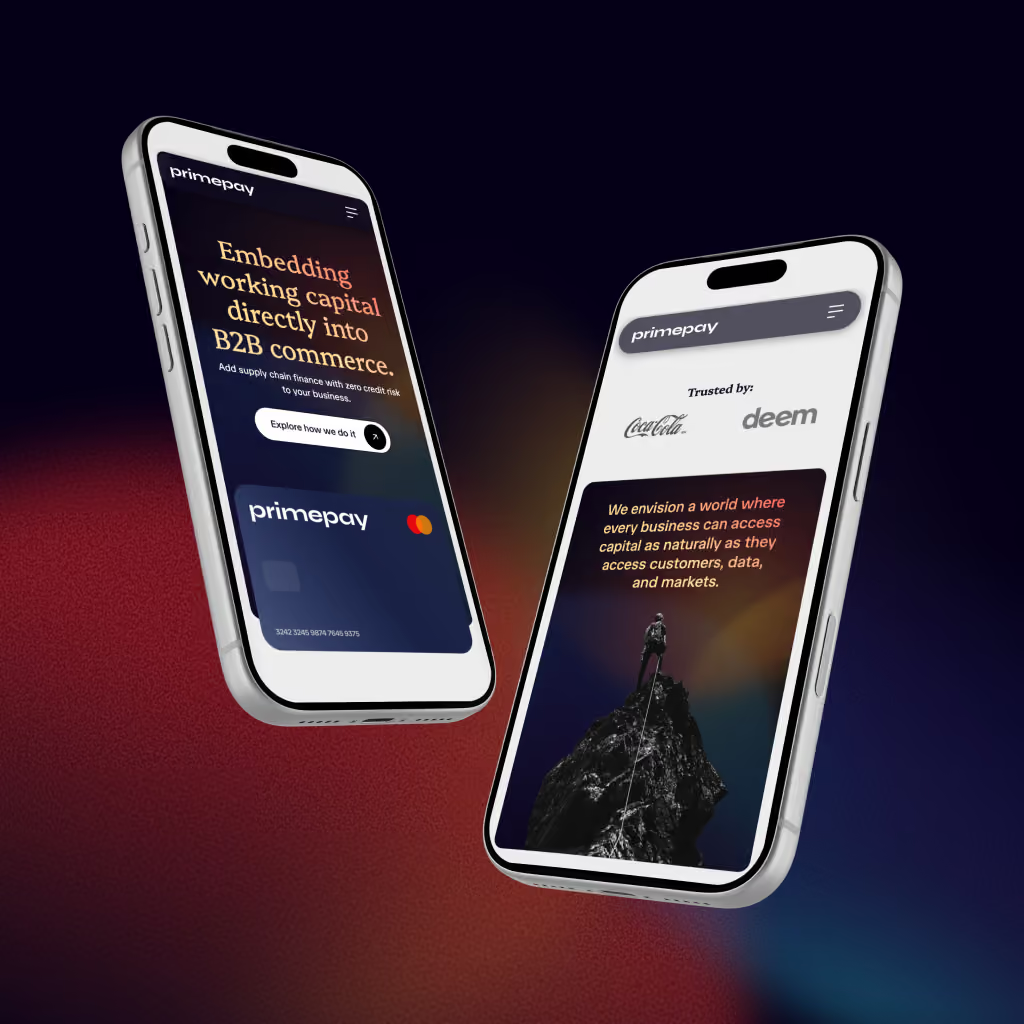
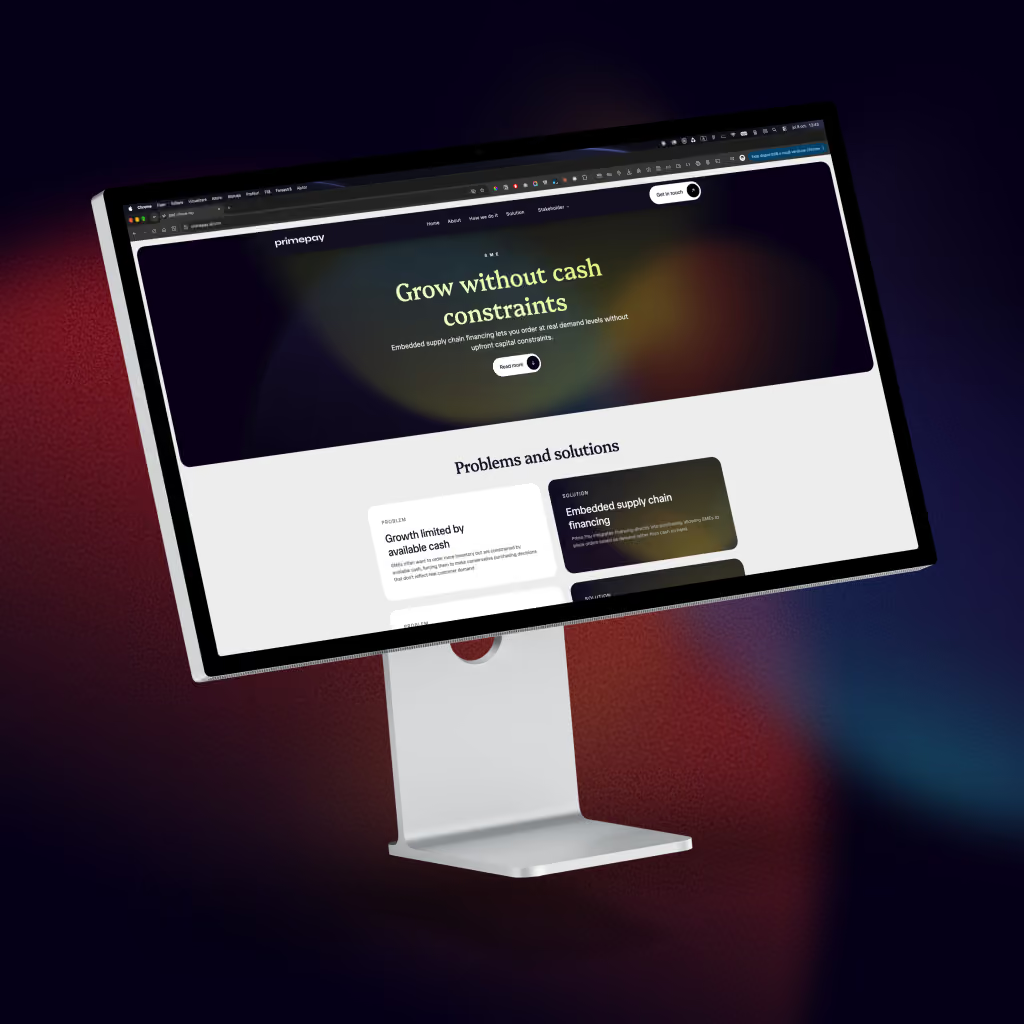
The position then had to hold in front of every actor in the chain, and above all in front of the investors funding it. So the differentiators were argued from structure rather than features, the voice was given four tones and four guardrails, and the identity was built to read as infrastructure rather than an app: calm, deliberate, an orchestrator's presence rather than a protagonist's.
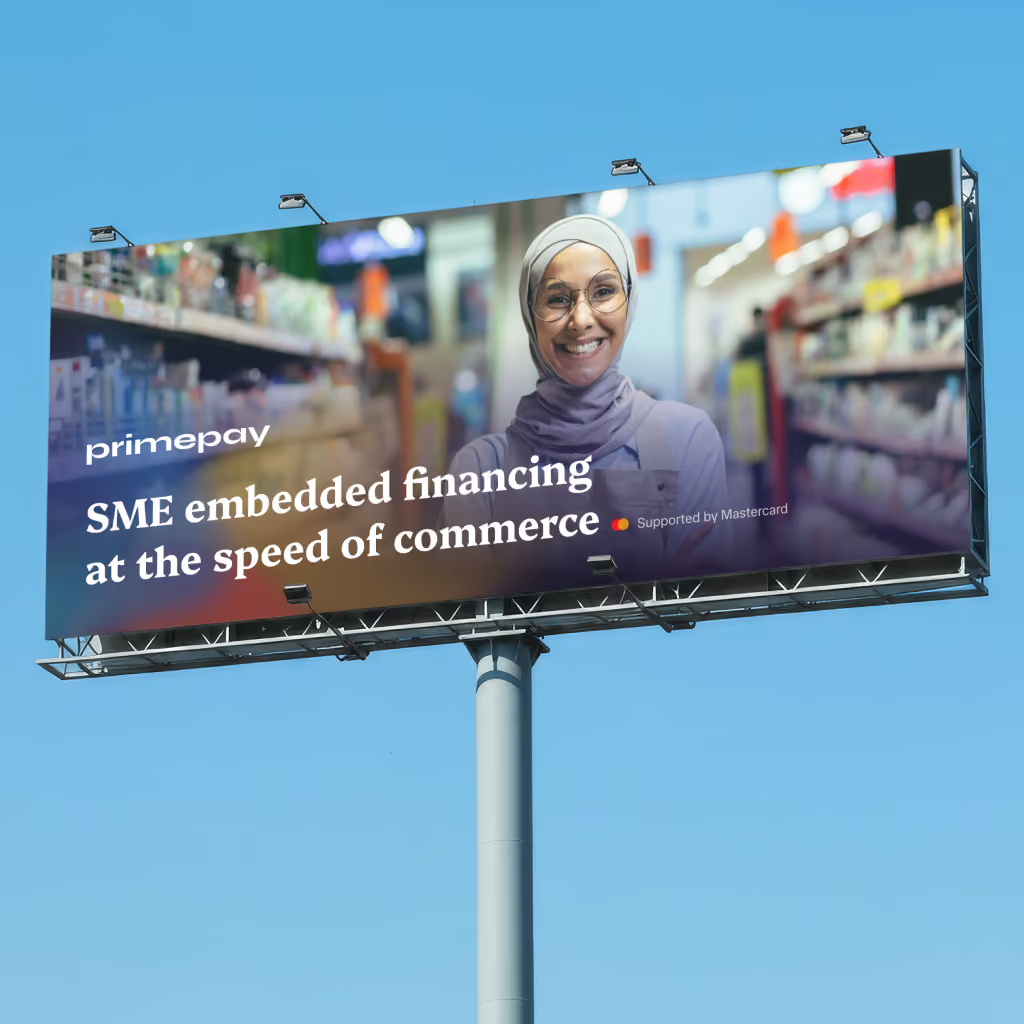
Trust as a system, not a message
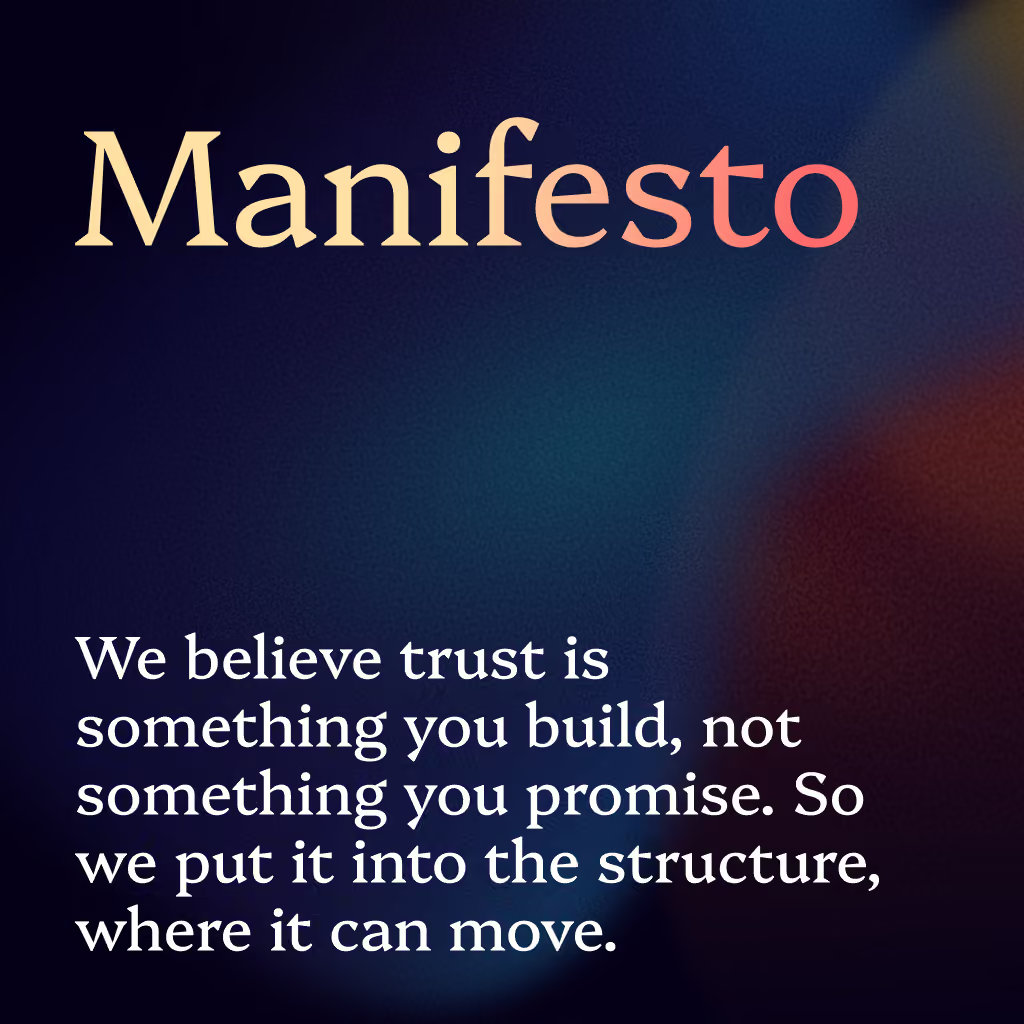
The tone of voice rests on one idea: trust is not a feeling. It is an output of structure, transparency and consistent behaviour. So the brand never asks for trust and never promises it as a value. It produces it, with data and explicit rules, and transfers it between the parties.
An identity that reads as infrastructure
The identity was built for the room it has to hold. Restrained where the category is loud, warm where the category is cold, with colour reserved for the one thing on the page that matters. It looks less like a fintech and more like the systems fintechs run on.
The materials that go into the room
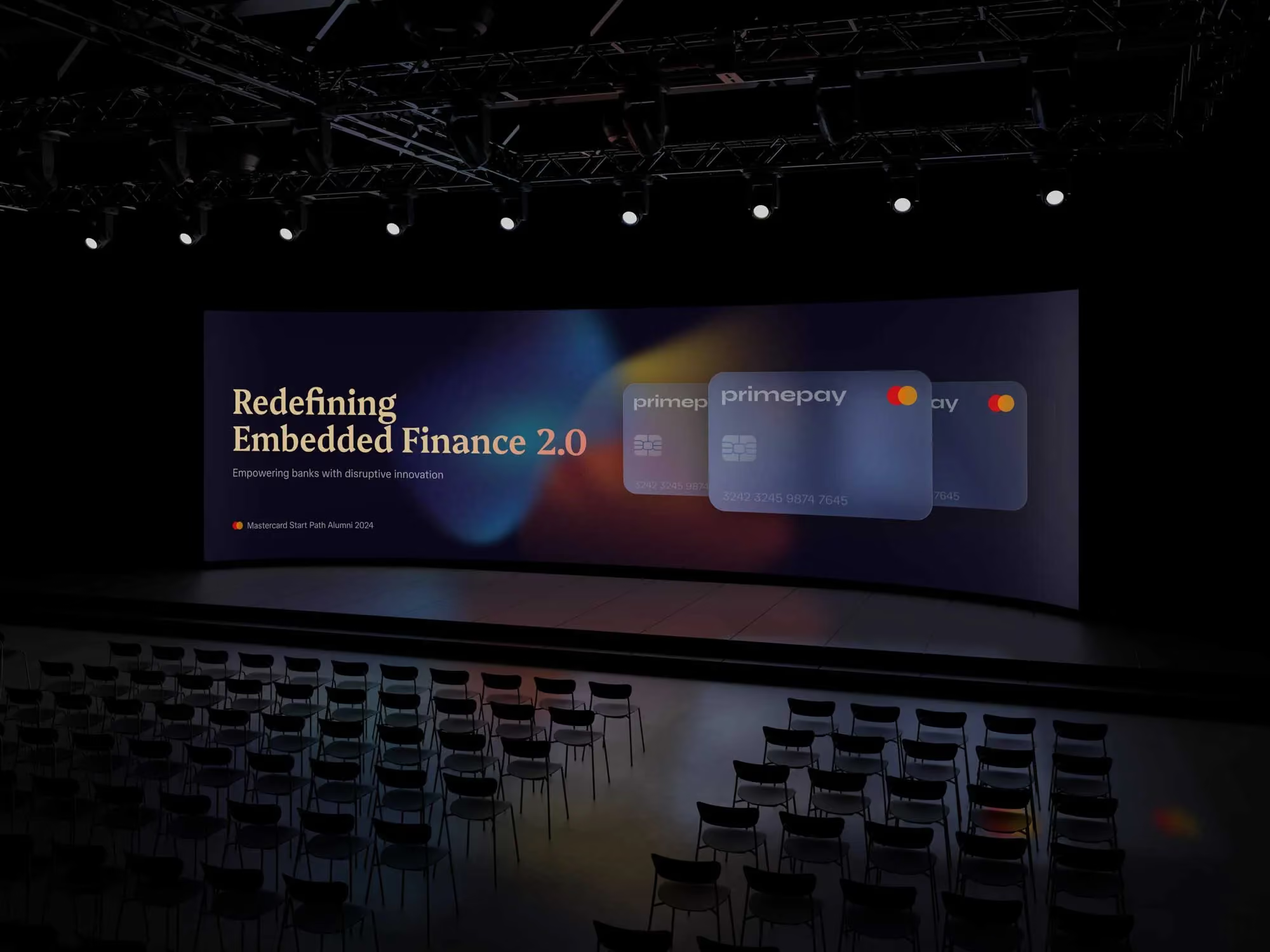
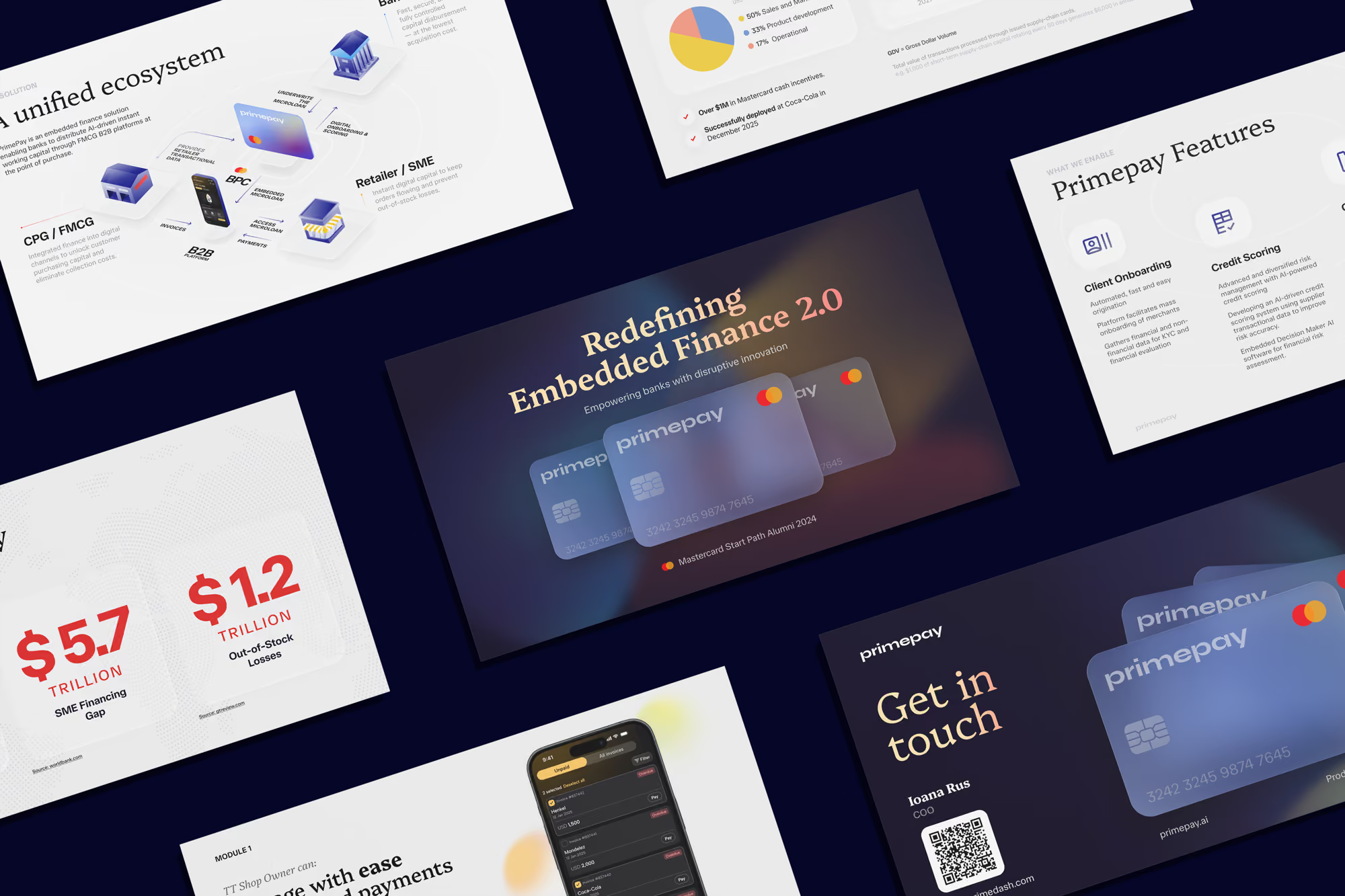
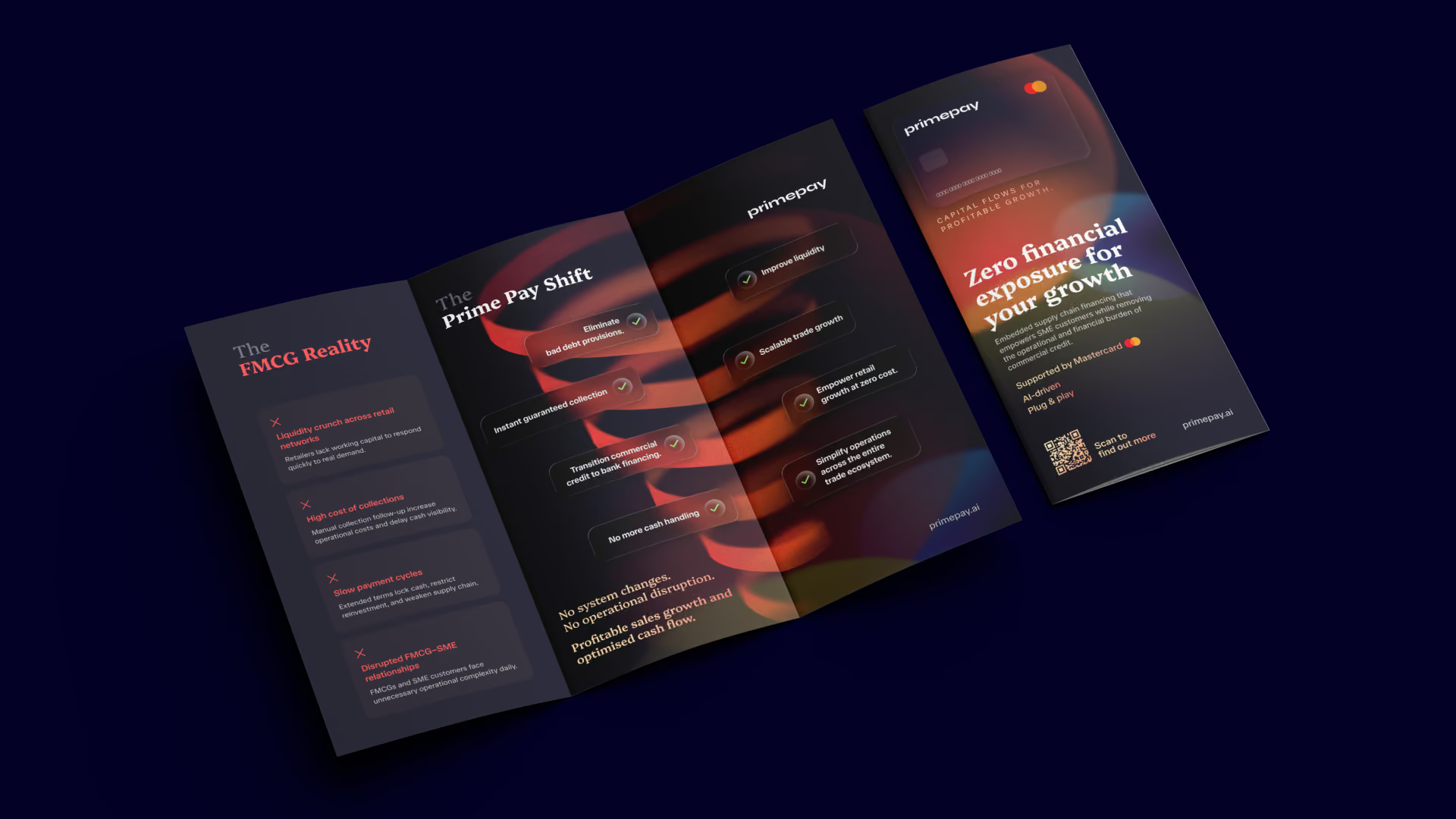
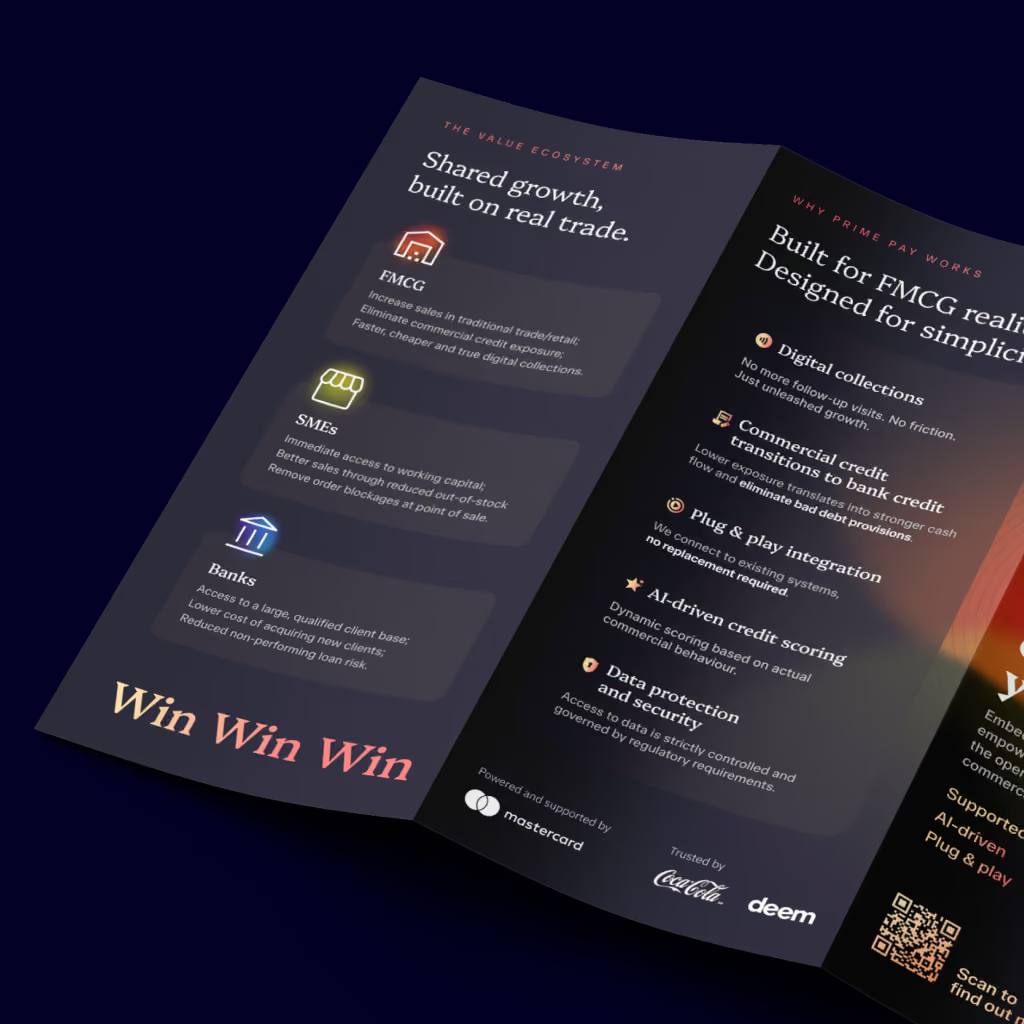
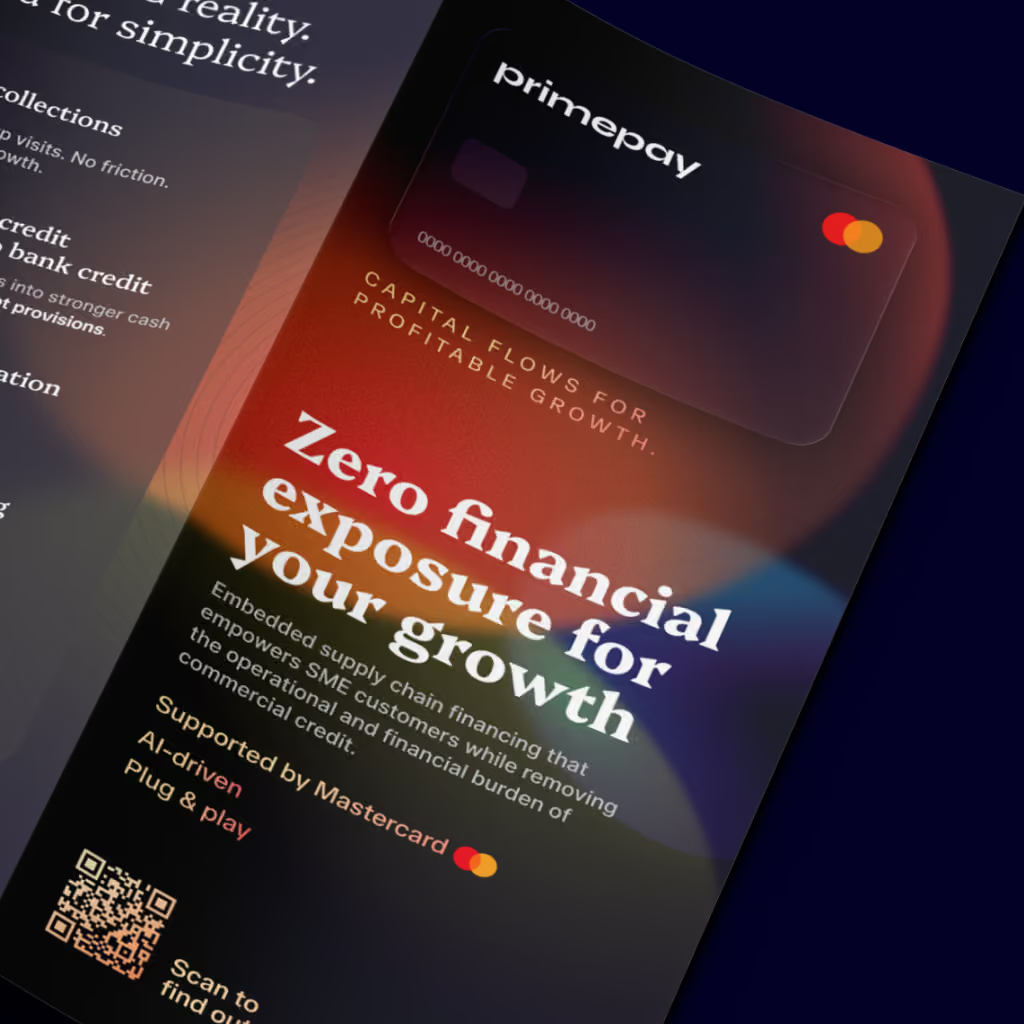
A position only counts once it survives a meeting with a bank or an investor. So the same strategy was built out into the collateral Prime Pay uses to raise capital and close partnerships with banks and FMCG groups: one argument, the risk model stated plainly, no promise the mechanism can't keep.
Closing
A sidekick, by design
Prime Pay never wanted to be the hero. That was the hardest part of the brief and the most honest part of the answer. The mechanism already existed. What it lacked was a position it could hold in front of a bank, an FMCG group, a retailer and, above all, an investor, a voice that stays the same across all four, and a system its team can run without us.
Share project