Verdum
The strategy had already moved. The brand hadn't.
Eltex had committed to a future its brand had no way of carrying. We rebuilt the strategy and the identity as one piece of work, so the name, the position and the system all point where the business is going. Eltex → Verdum. Oradea, Romania.
What we did
The real question
One-stop-shop. Tailored solutions. Present on your site. Support around the clock. Every serious player in the category claims a version of that list, which is why differentiation through it has dissolved. The harder question is what a leader does when the category's language still describes who it was, not who it has become.
Starting point
The business had outrun its own brand
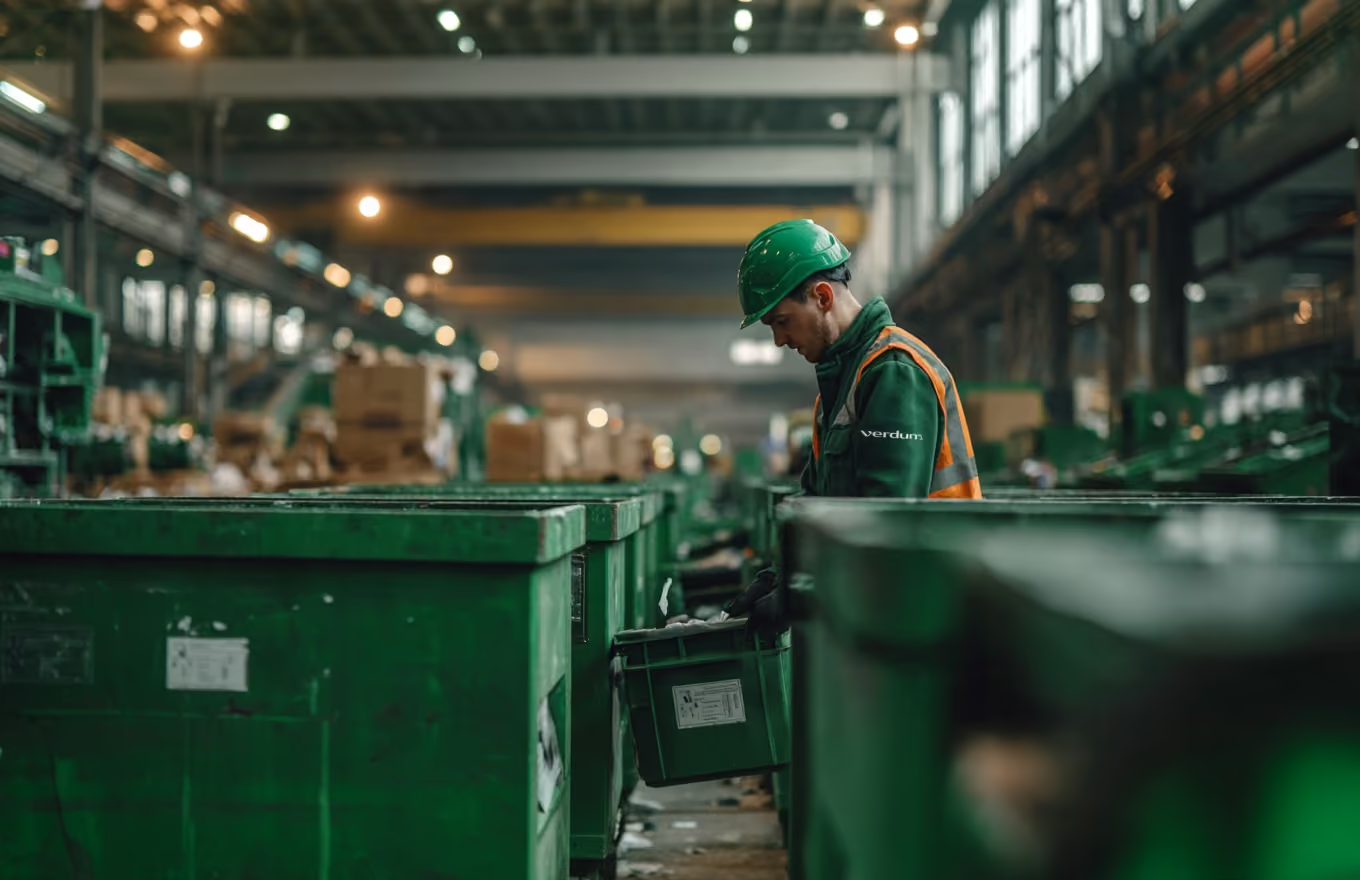
Eltex worked inside the plants of Europe's largest manufacturers. The brand still belonged to an earlier stage of the business, unsupported by strategy. That gap costs tenders, price and people. Closing it took a new name, a position built on capability, and strategy under both.
How we thought about it
The direction had to come from inside the company
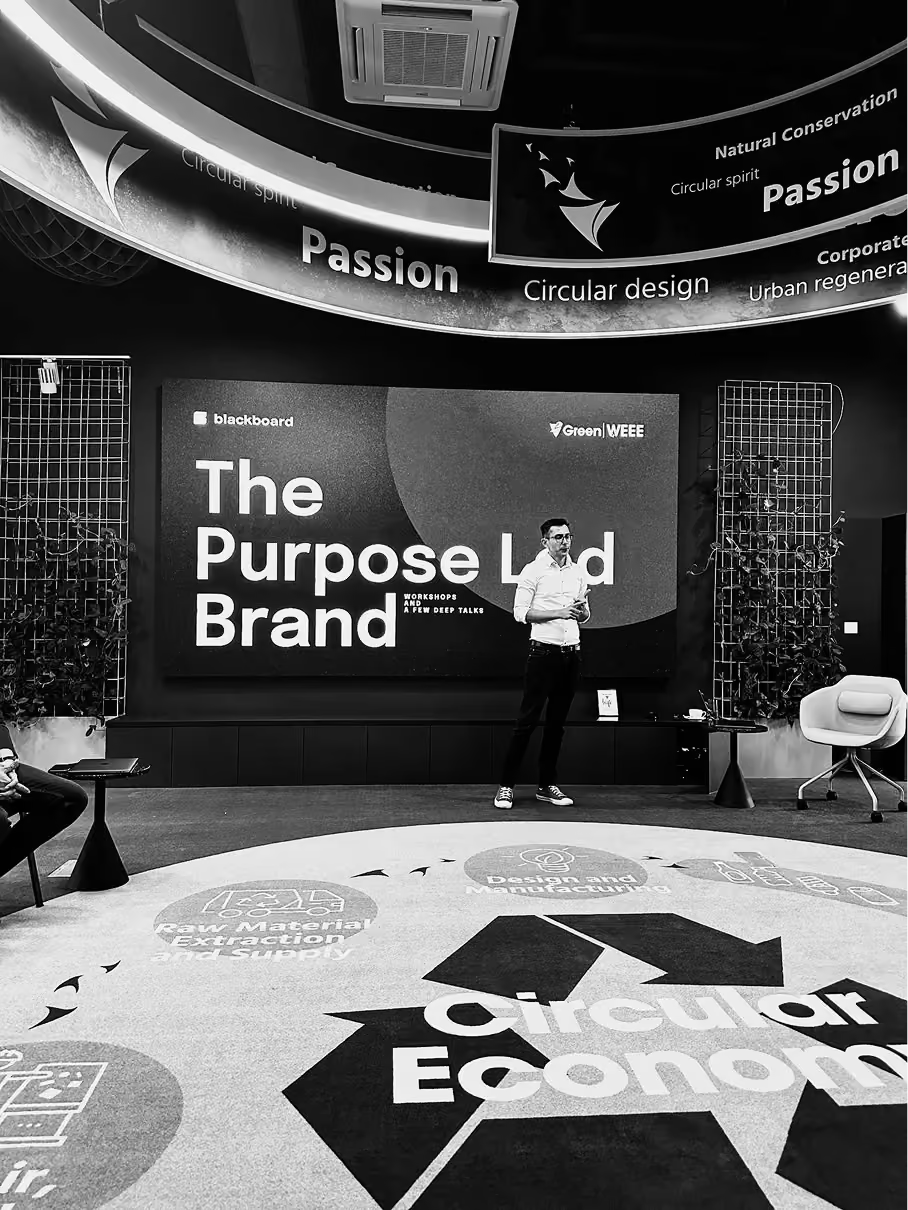
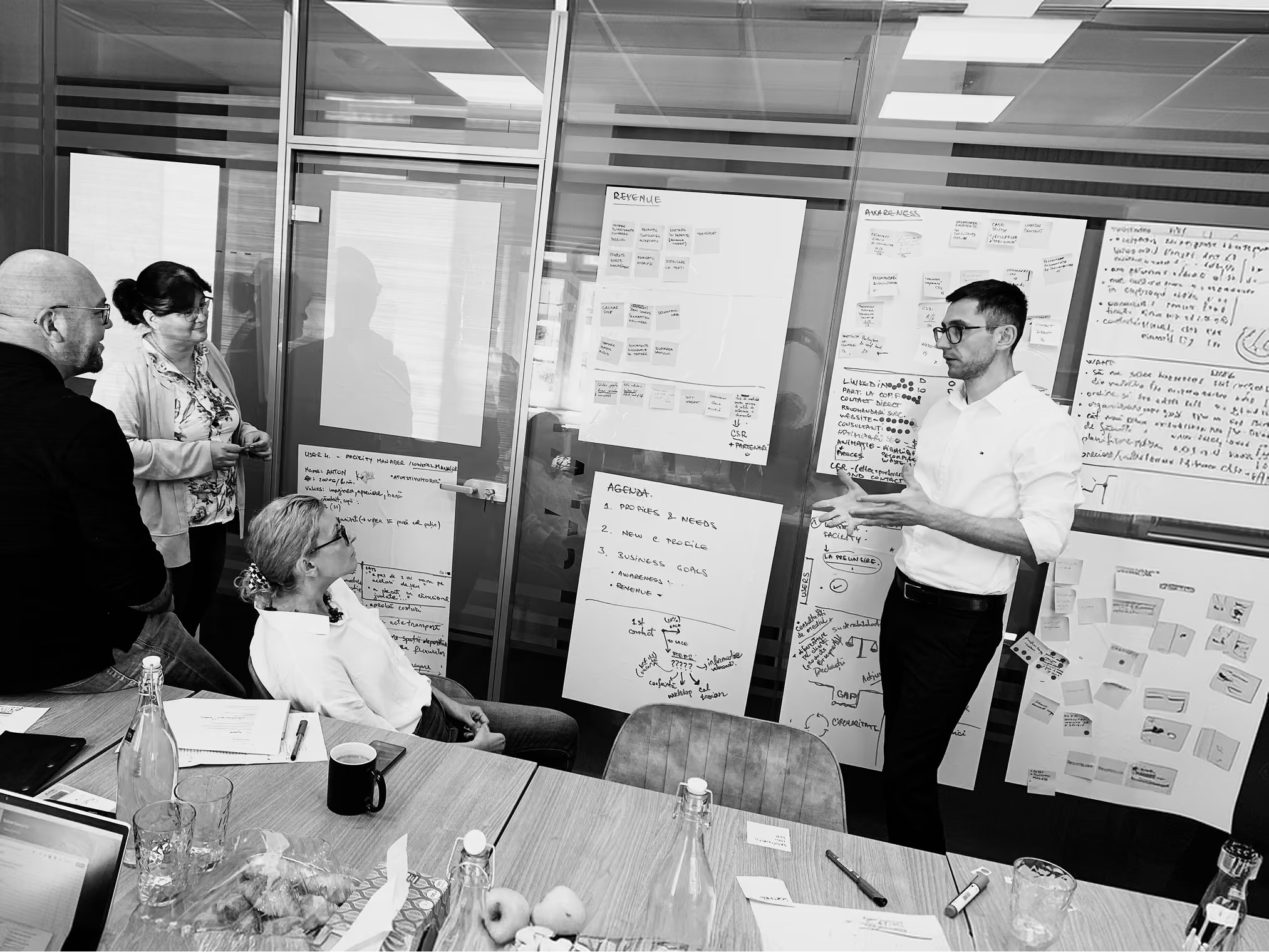
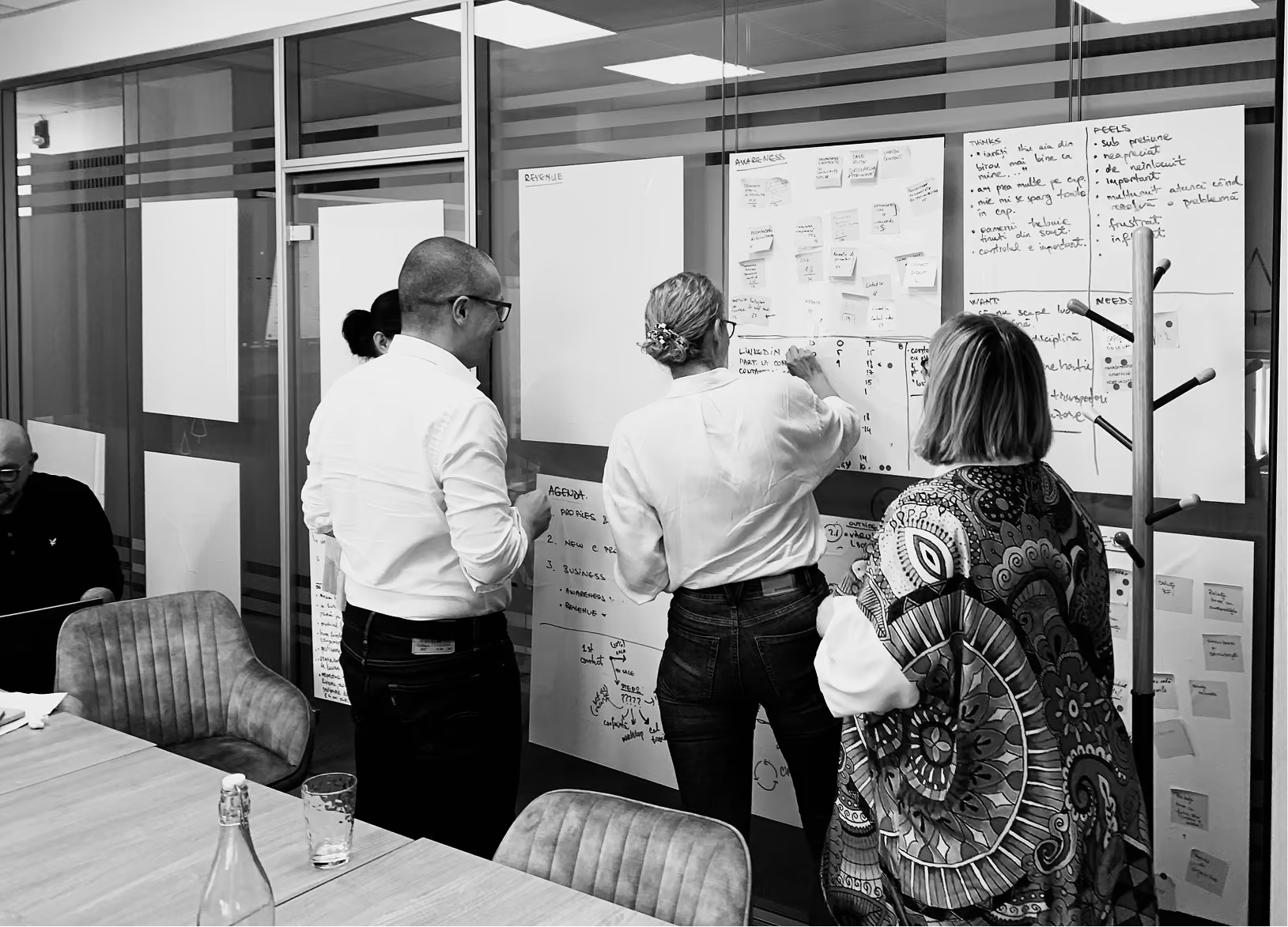
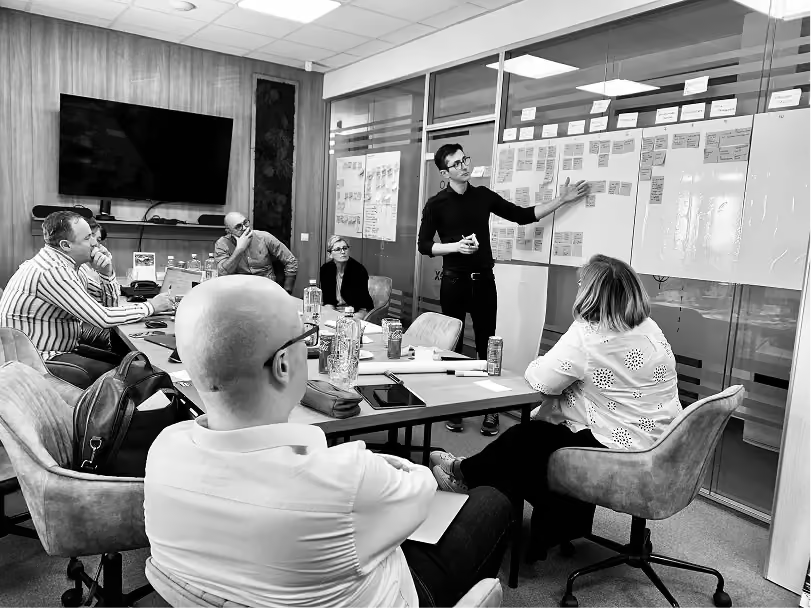
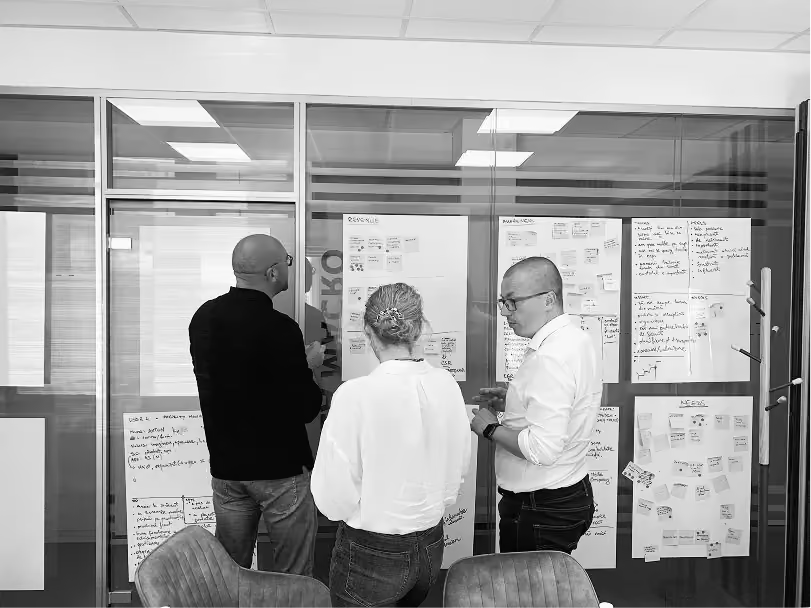
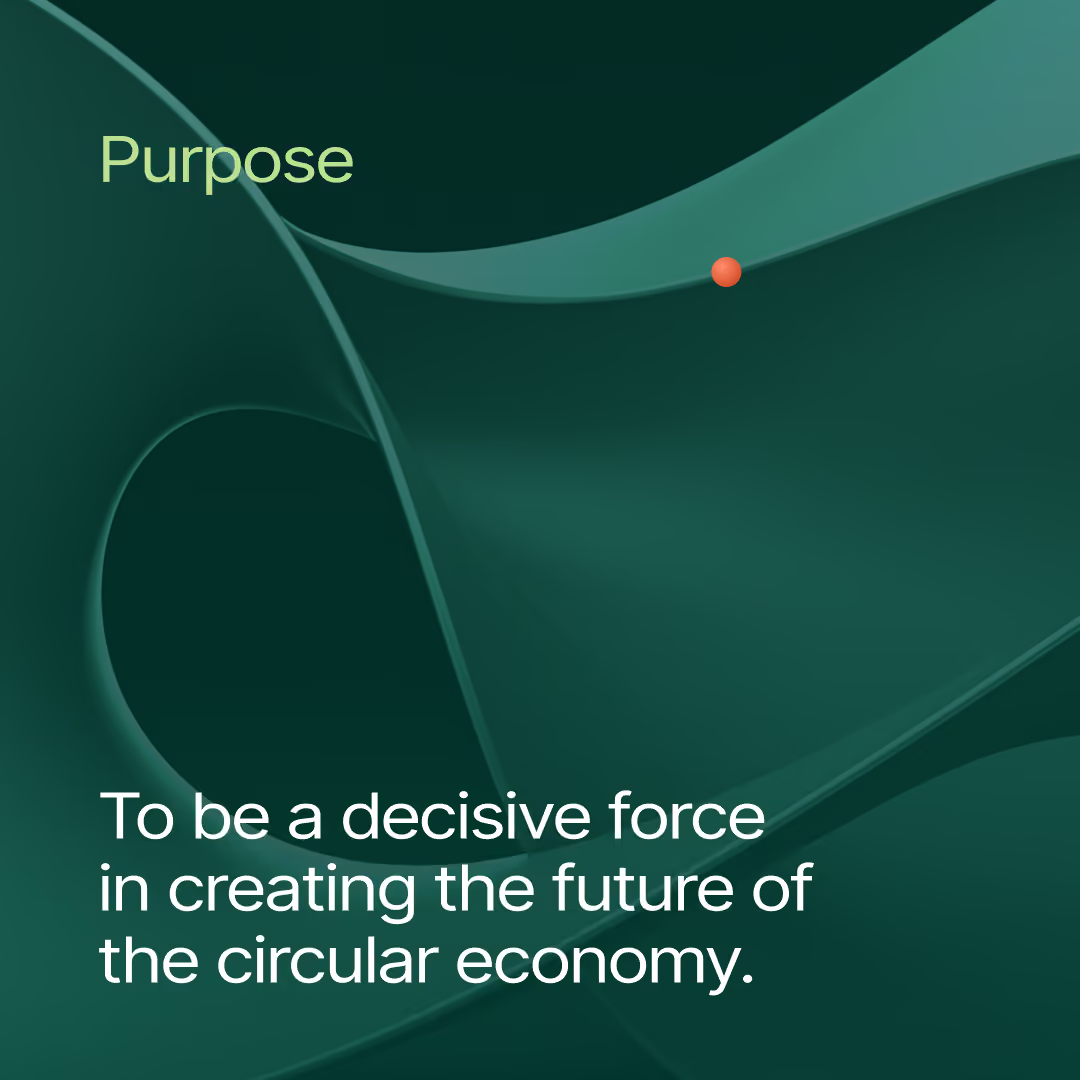
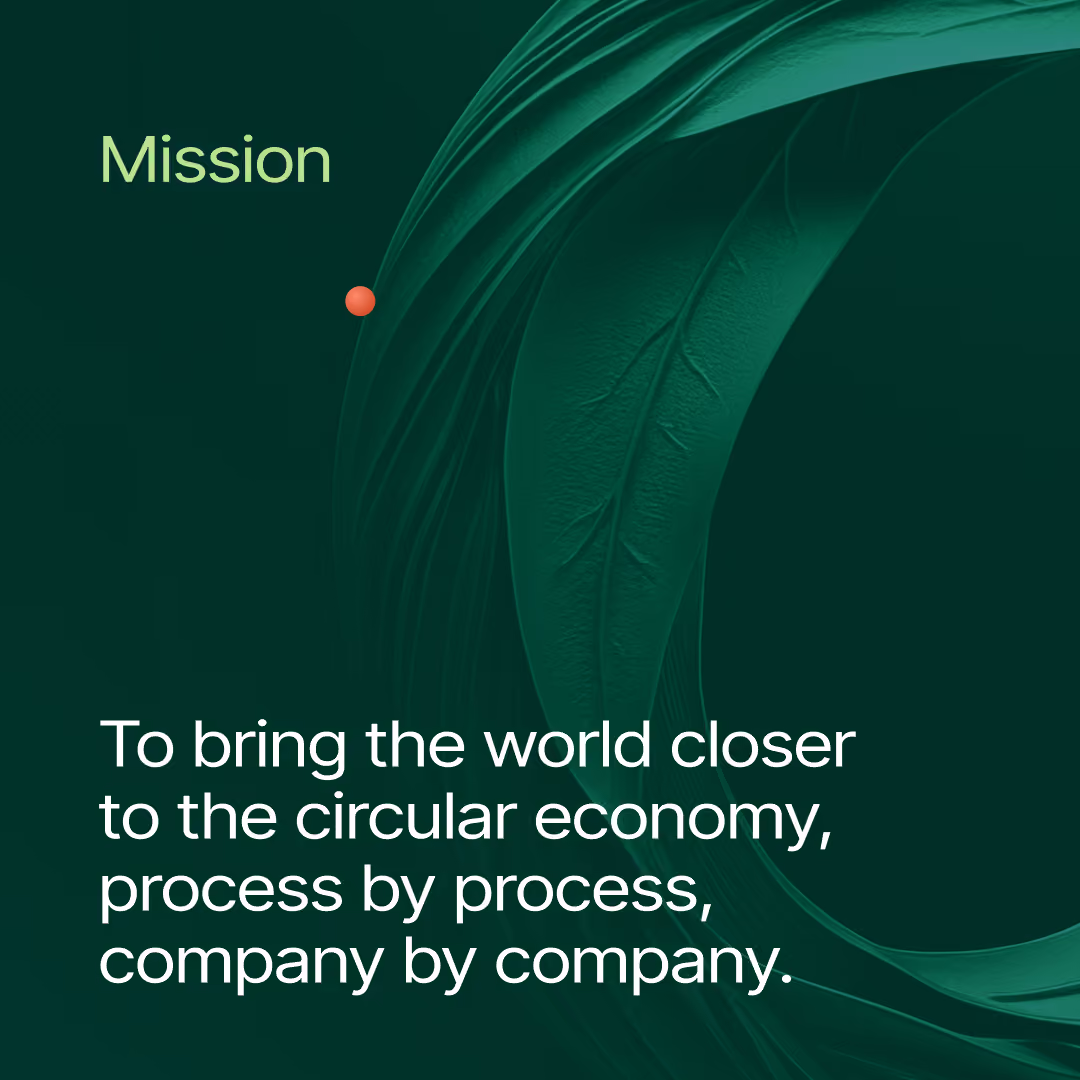
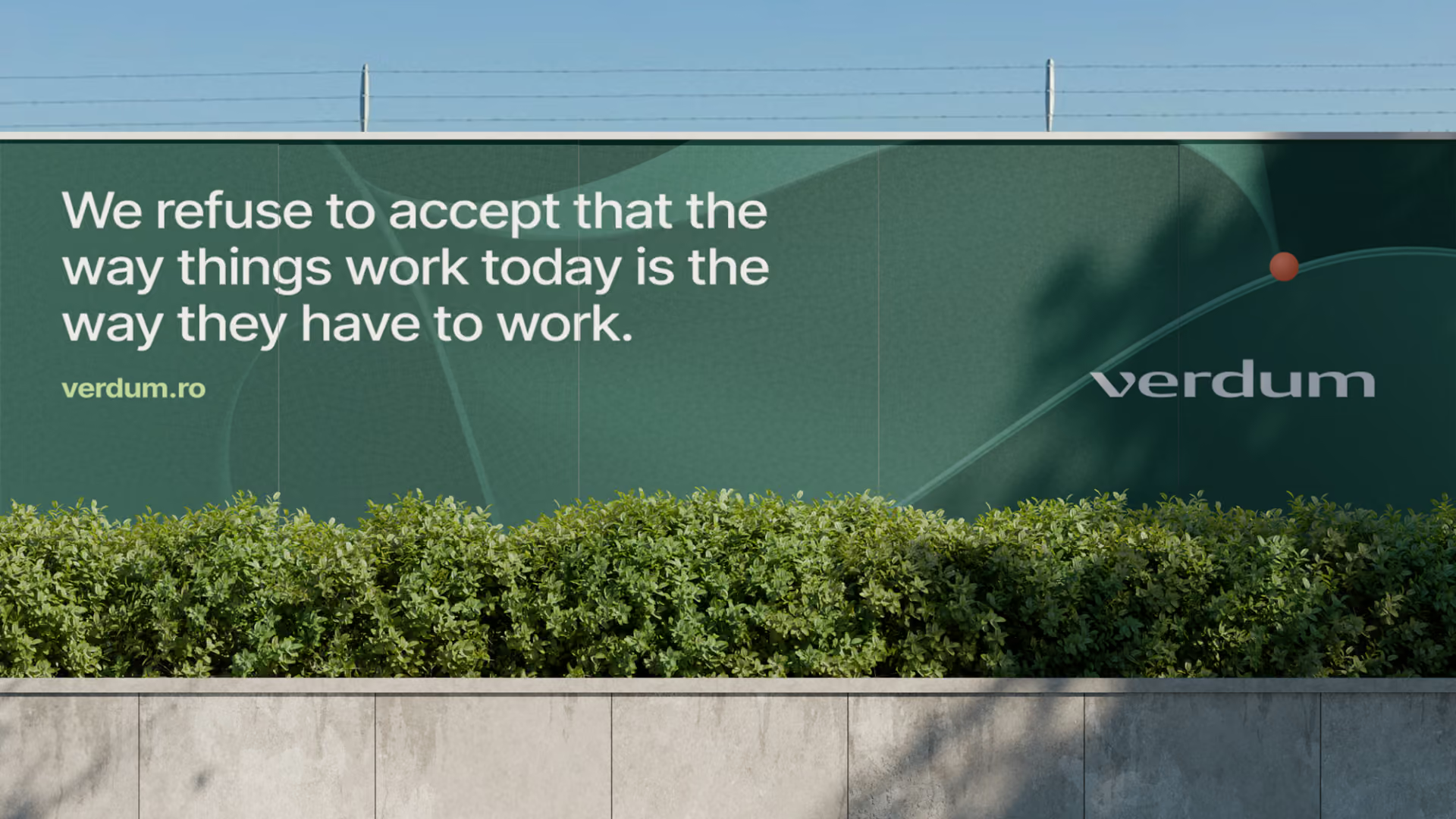
We ran several stages of workshops with their team. A direction like this has to be found inside the company, not handed to it, and the alignment built in those rooms is what the brand grows from. It produced one sentence.
The decision
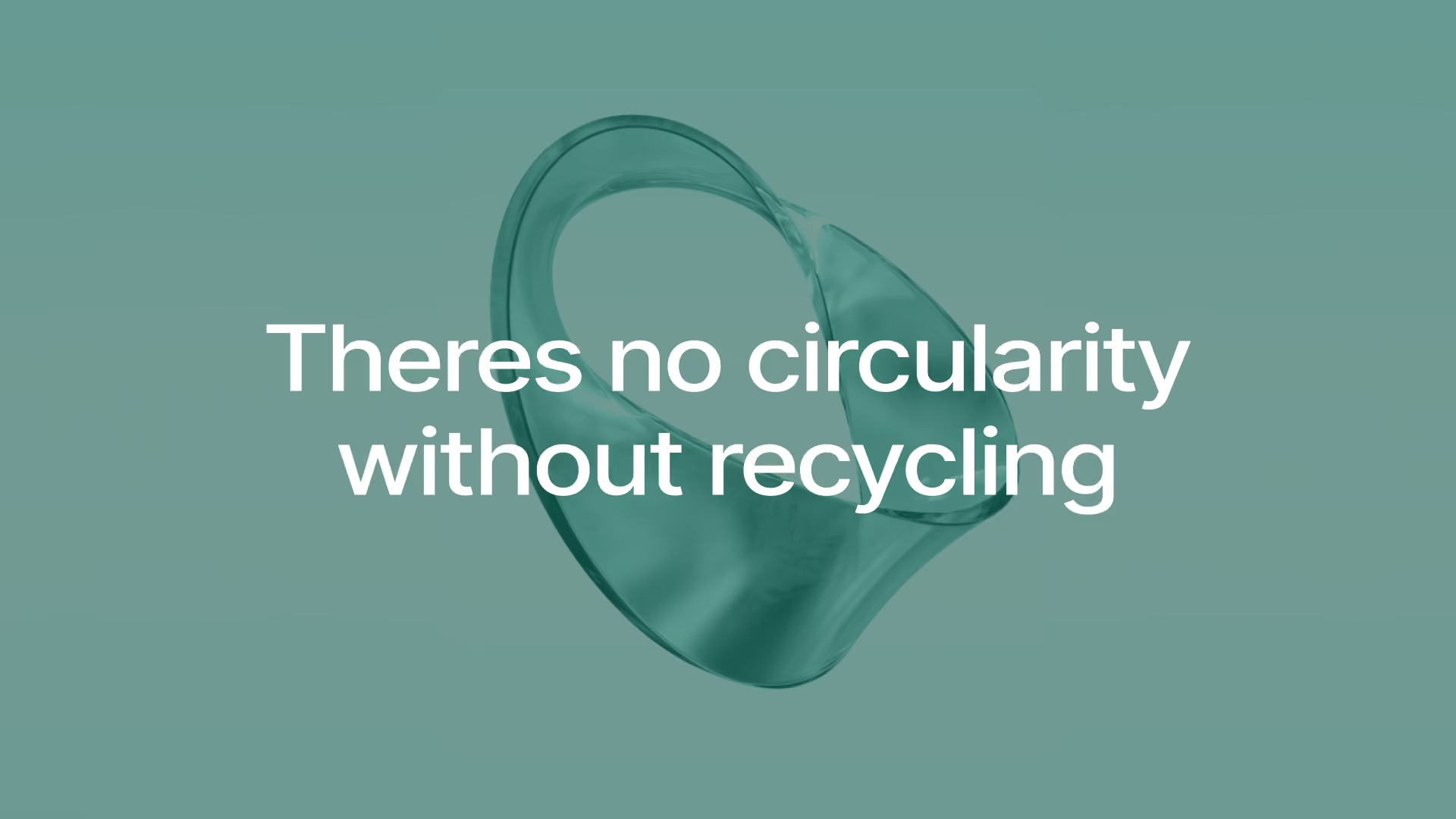
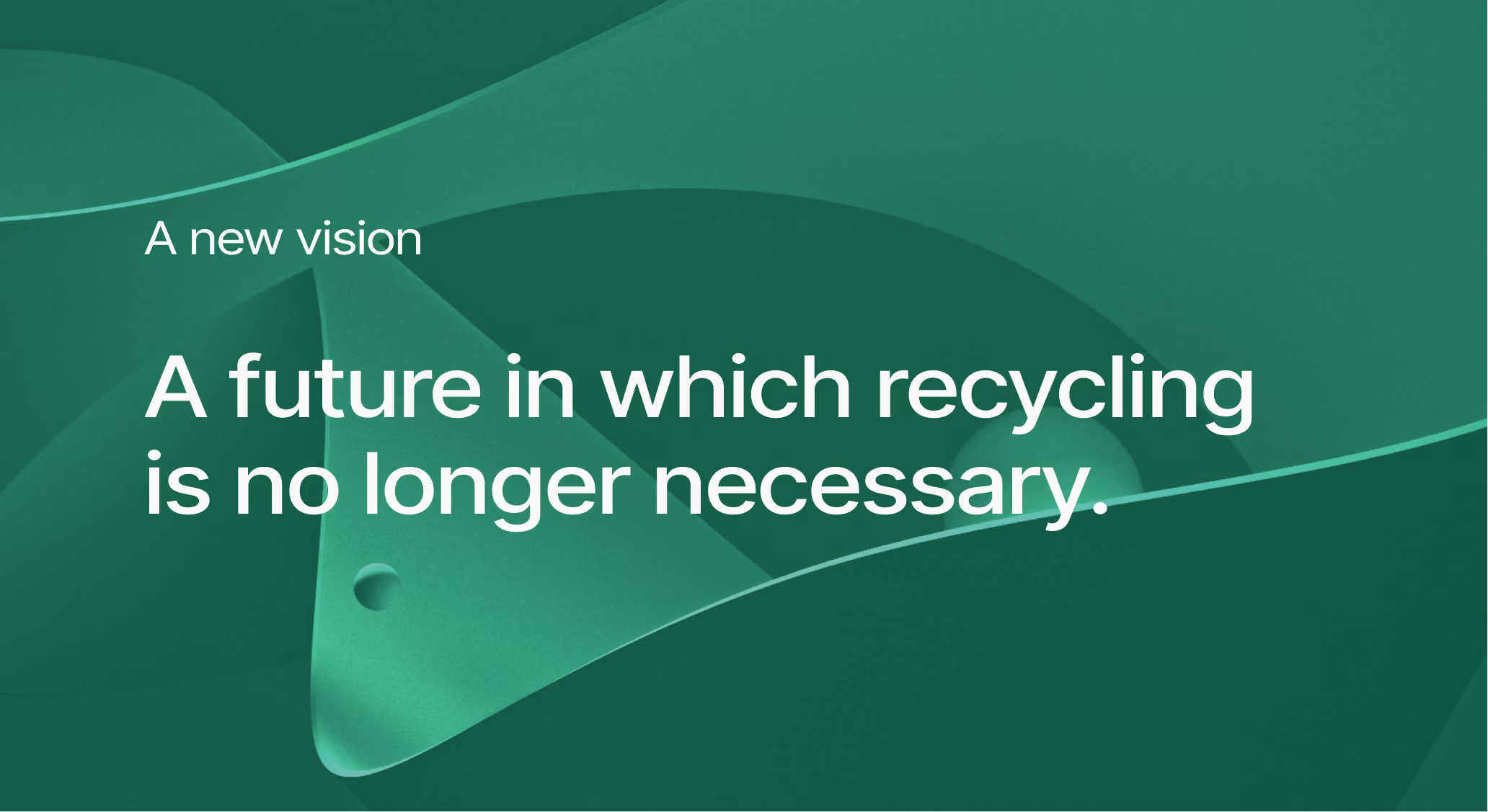
A recycling company whose vision is the end of recycling
The company stops competing on service descriptions nobody can tell apart, and starts competing on where it intends to take the industry. Waste back into resource, process by process.
the work
The name had to hold what the company was becoming
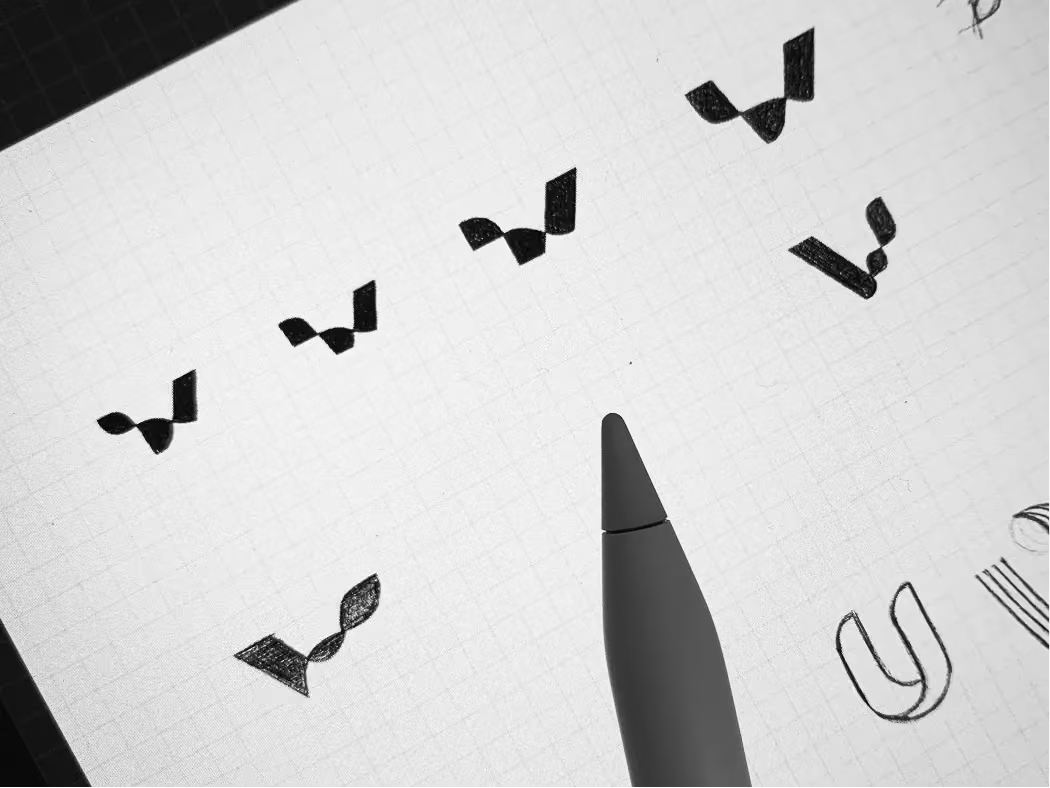
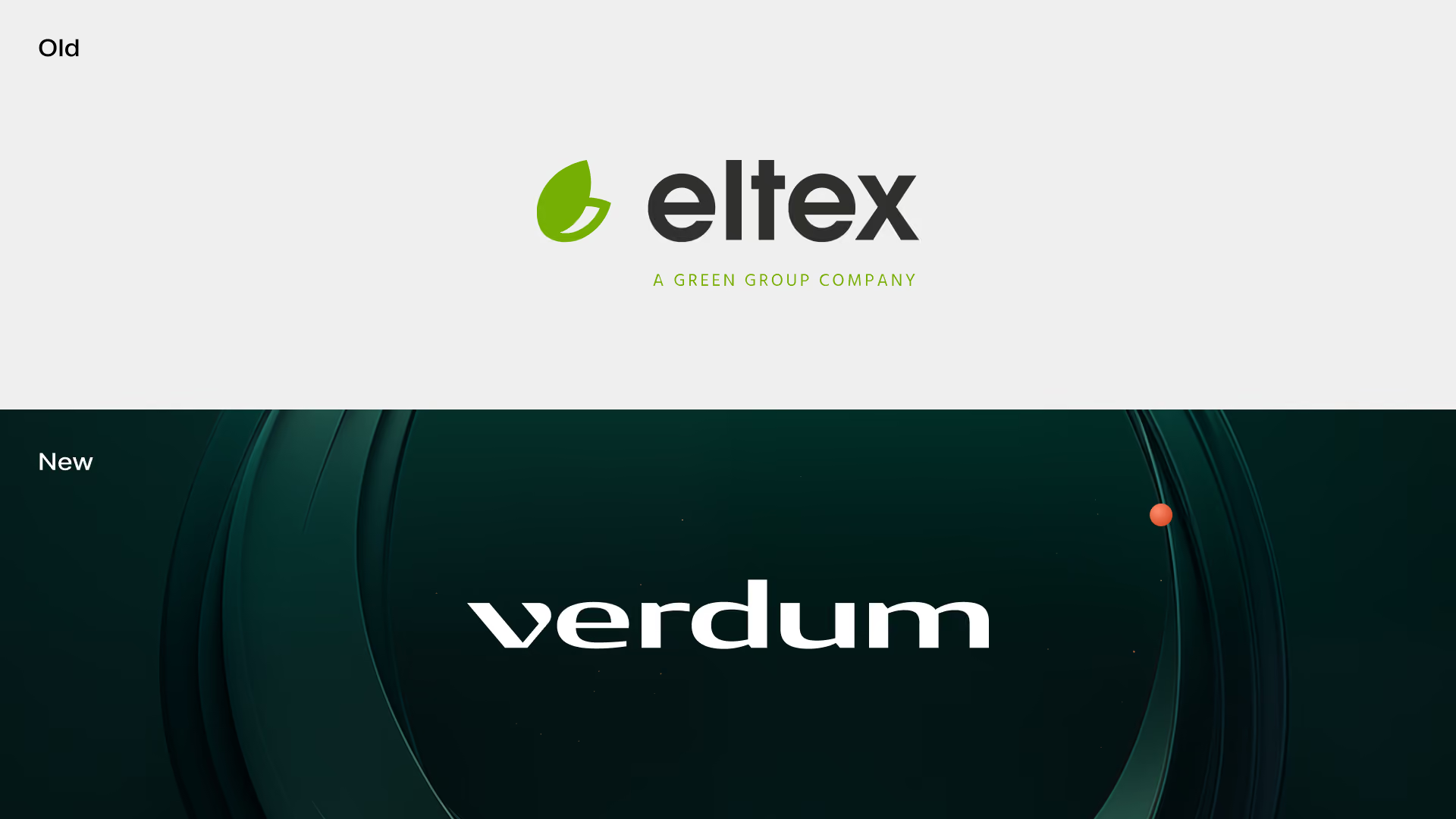
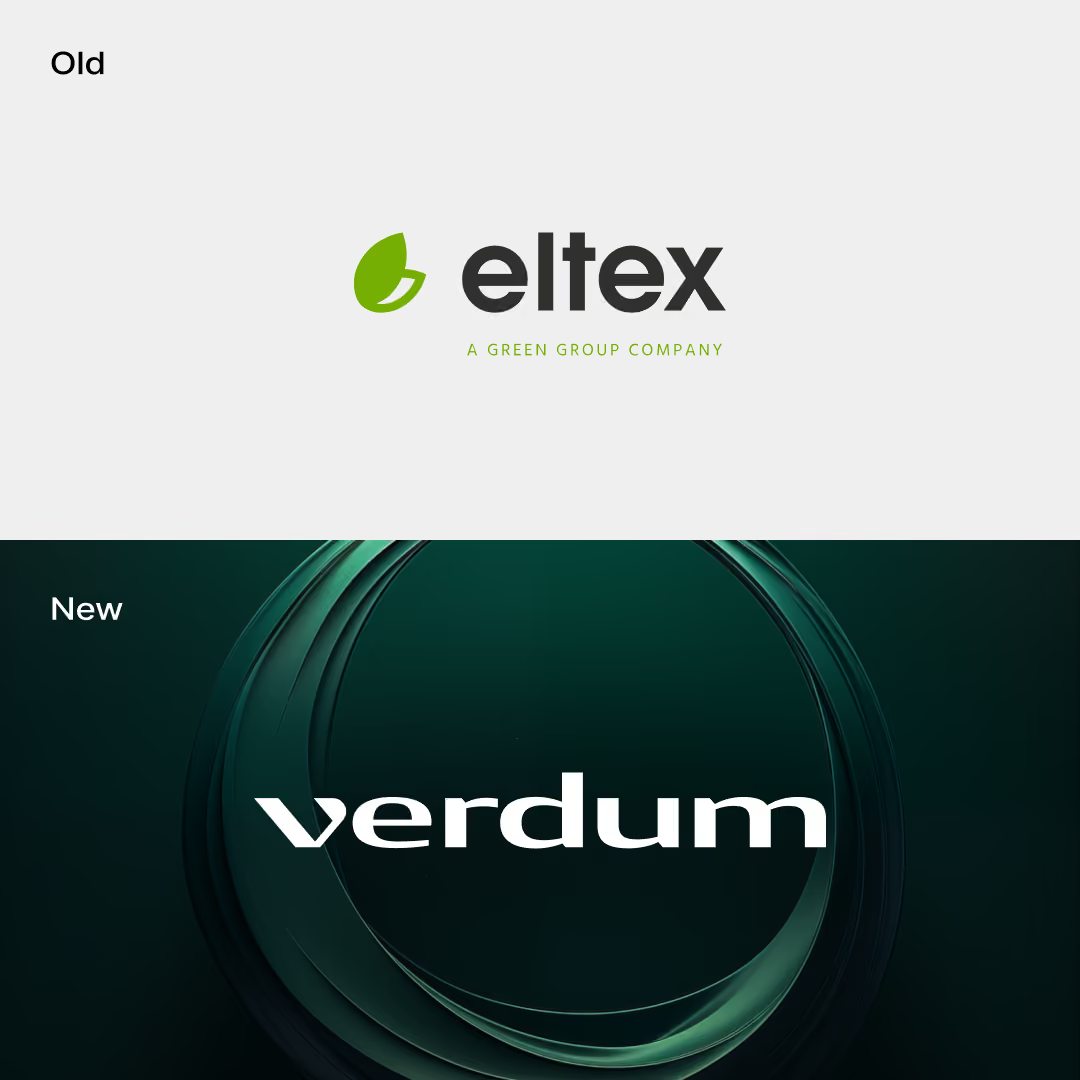
Eltex was a record of where the company had been. It carried nothing of what the business had set out to become, and that is what the new name had to hold. Verdum came out of it: green at the root, structural in the ending.
Strategic opportunities
From there we drew two directions, equally solid. One led with impact, one led with results. Both were built out in full, and both were true to the company, so the choice of posture stayed with the company rather than with us.
We weren't naming a recycler. We were naming what comes after recycling.
From strategy into design
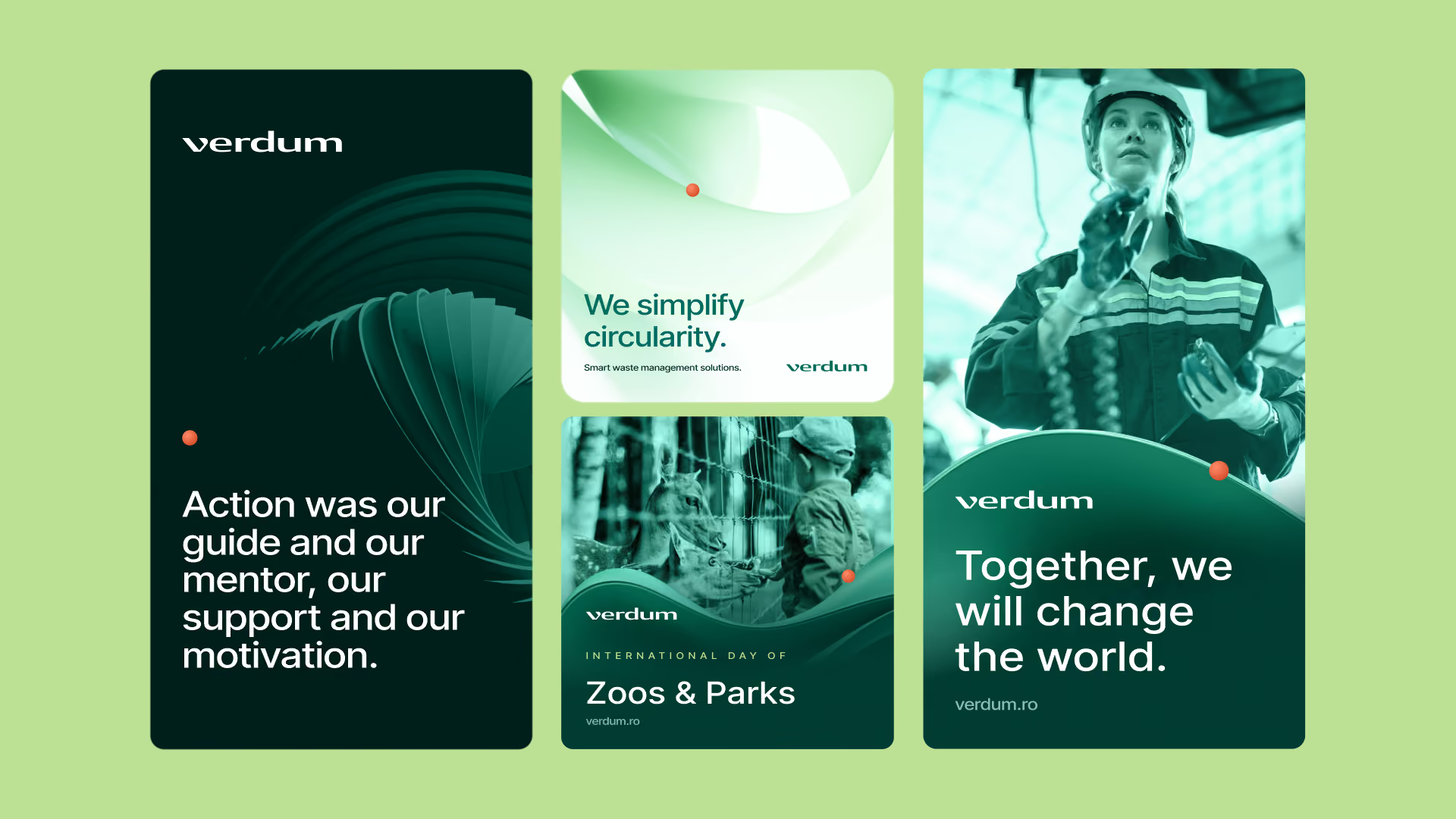
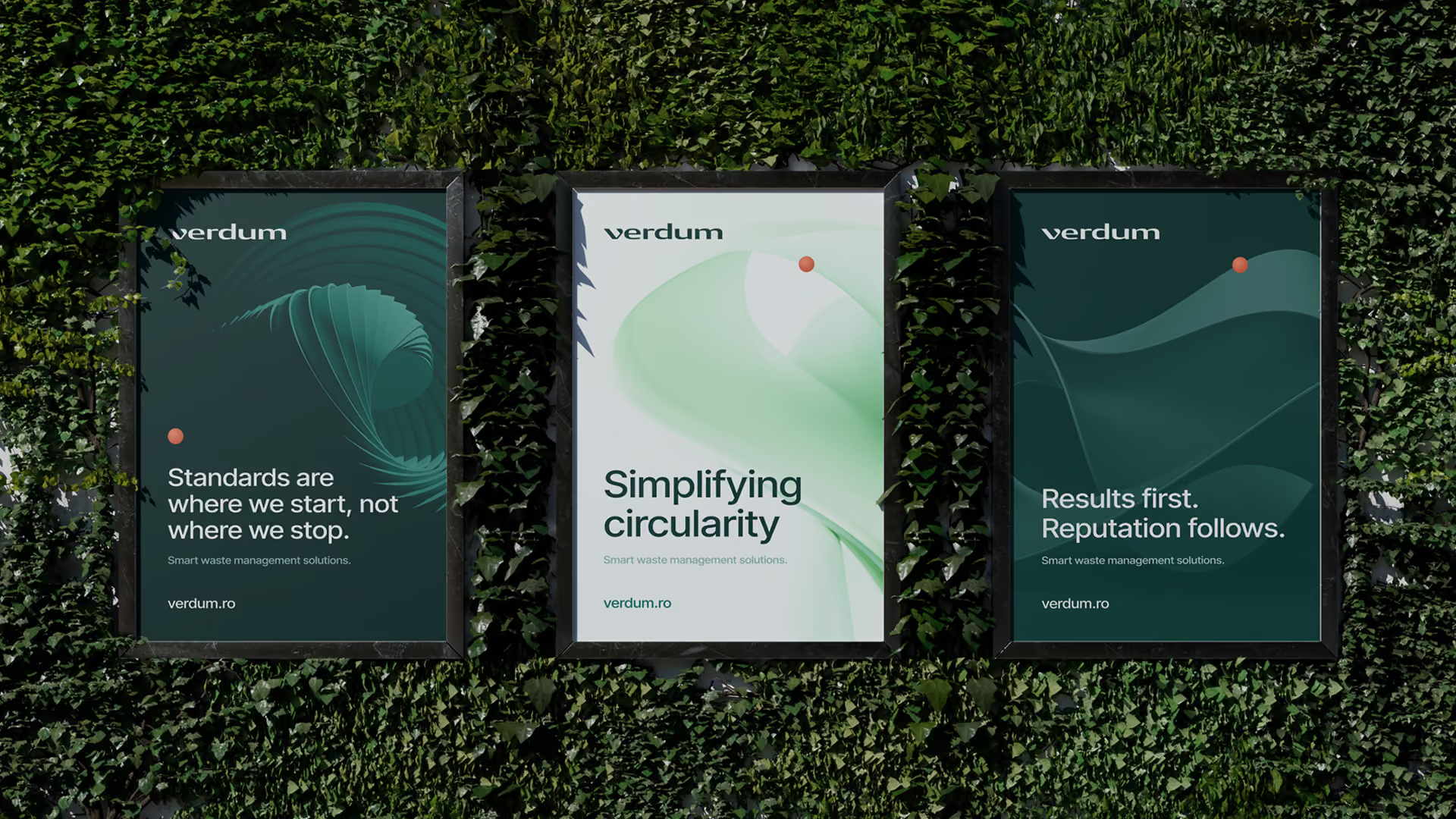
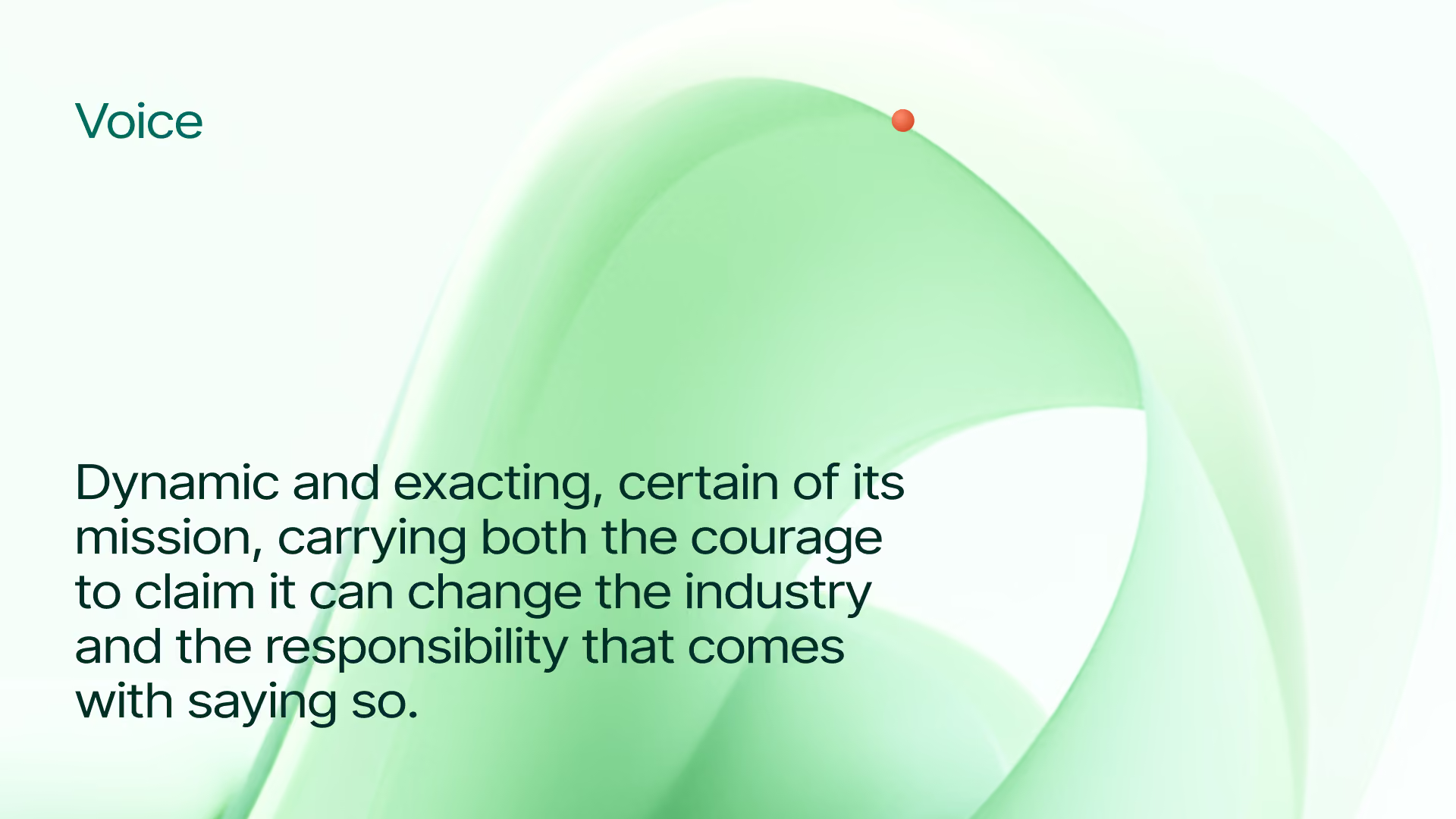
The strategy then had to hold up commercially. We set the position against what the company can actually deliver, defined the differentiators a competitor cannot copy, and gave the company one way of speaking, so sales, hiring and marketing all argue from the same place.
How we did it
An identity is a system, not a logo
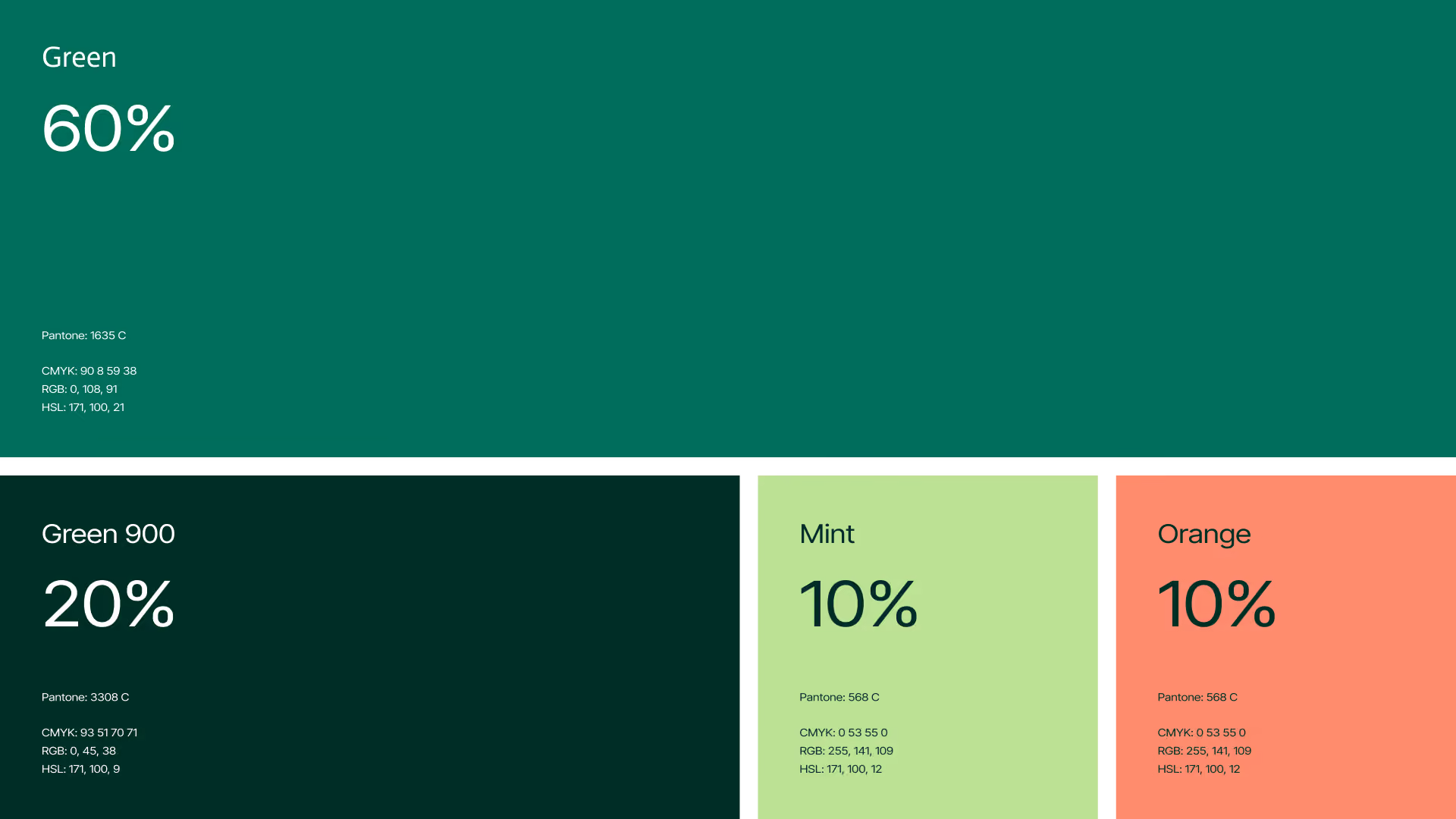
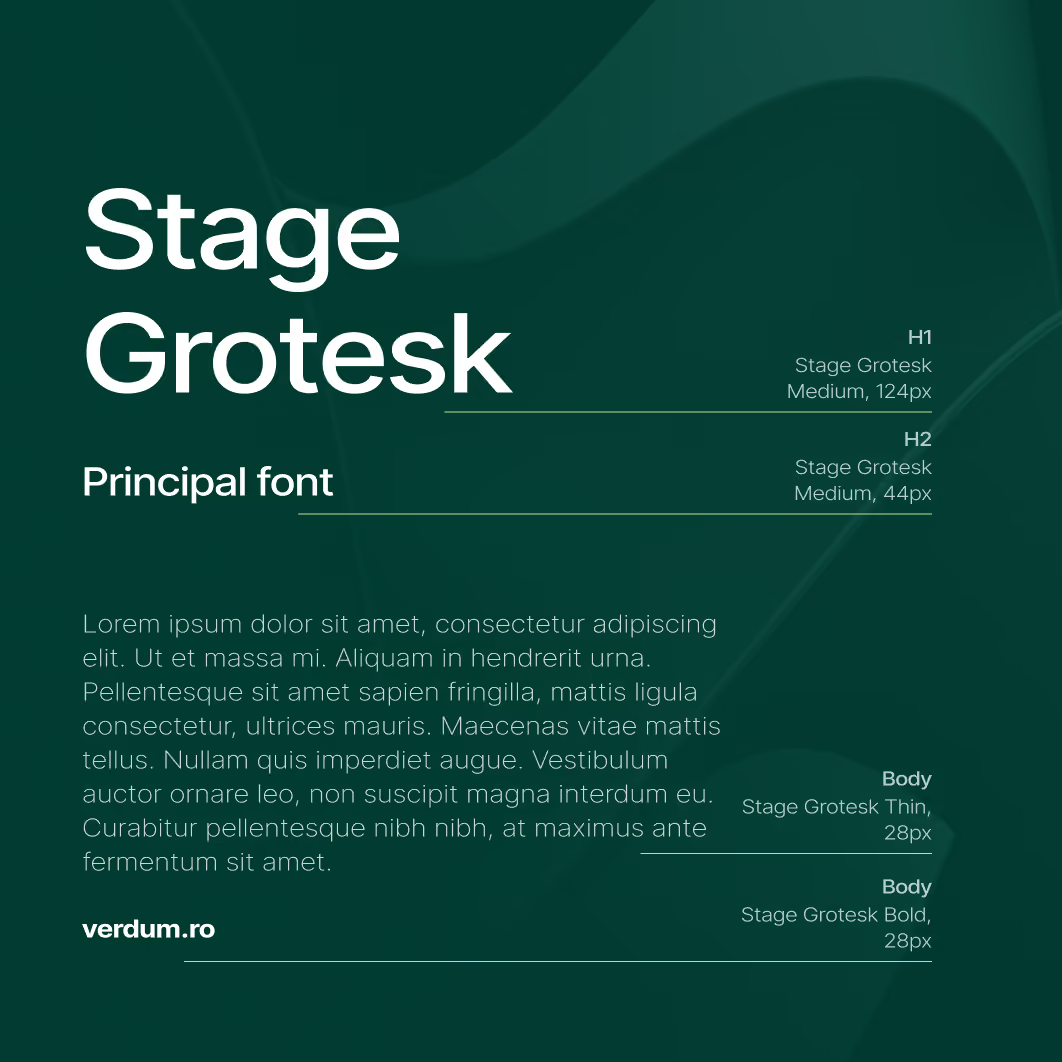
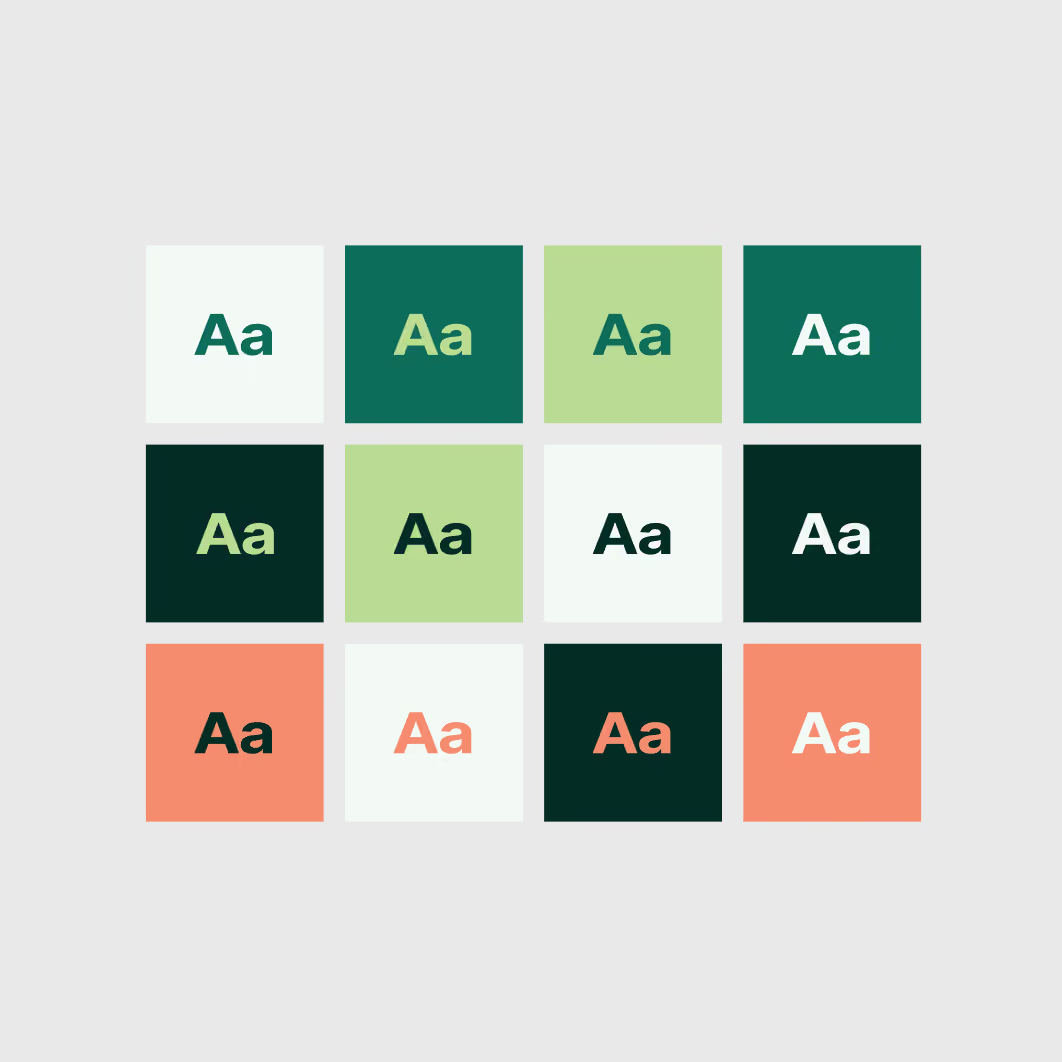
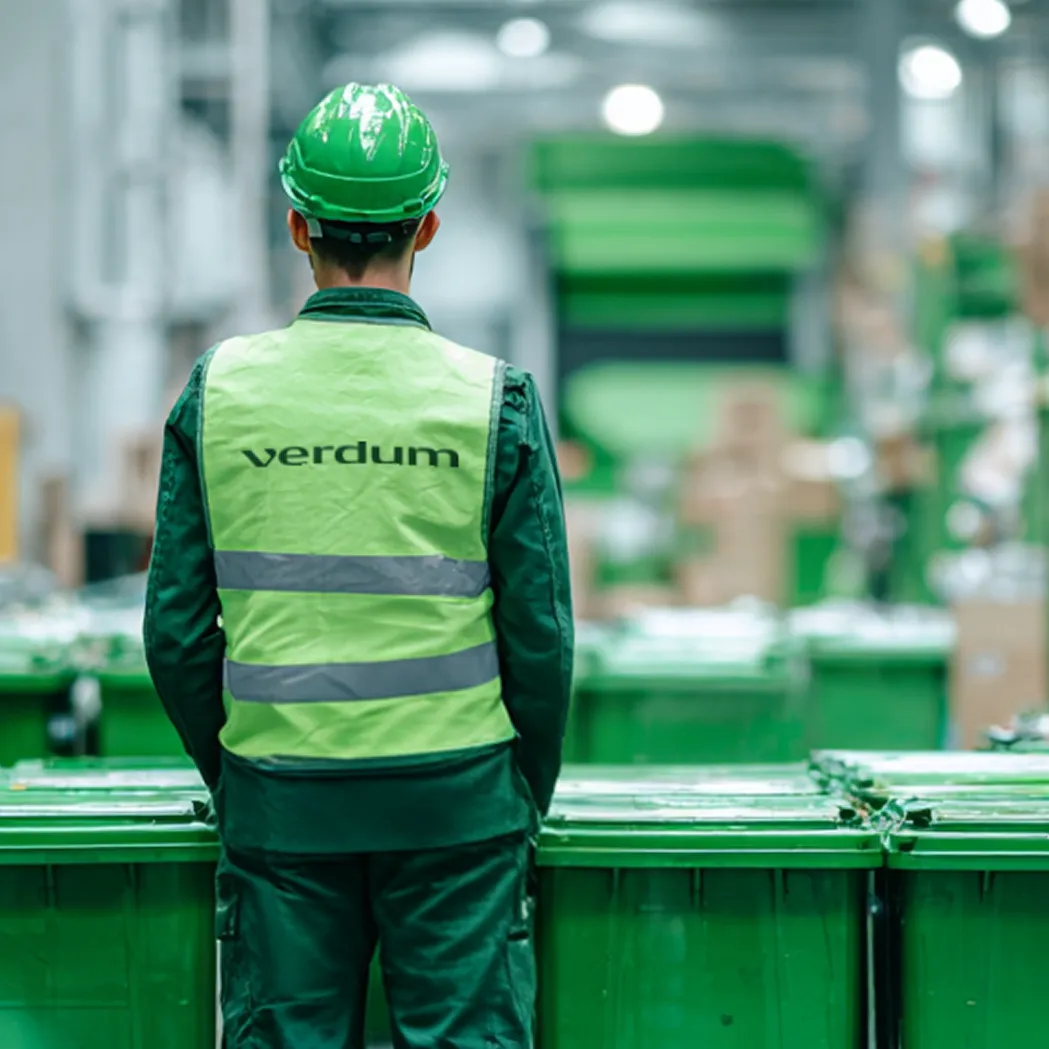
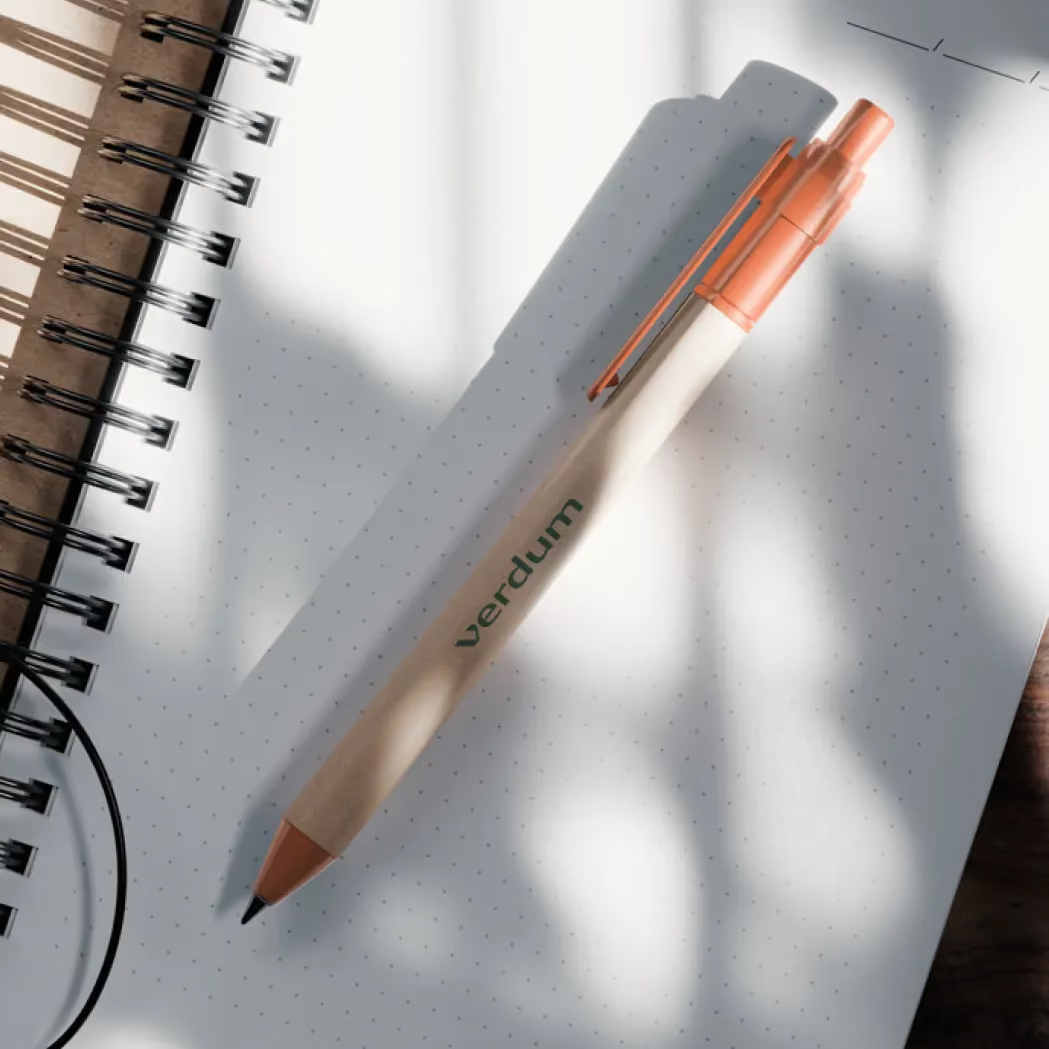
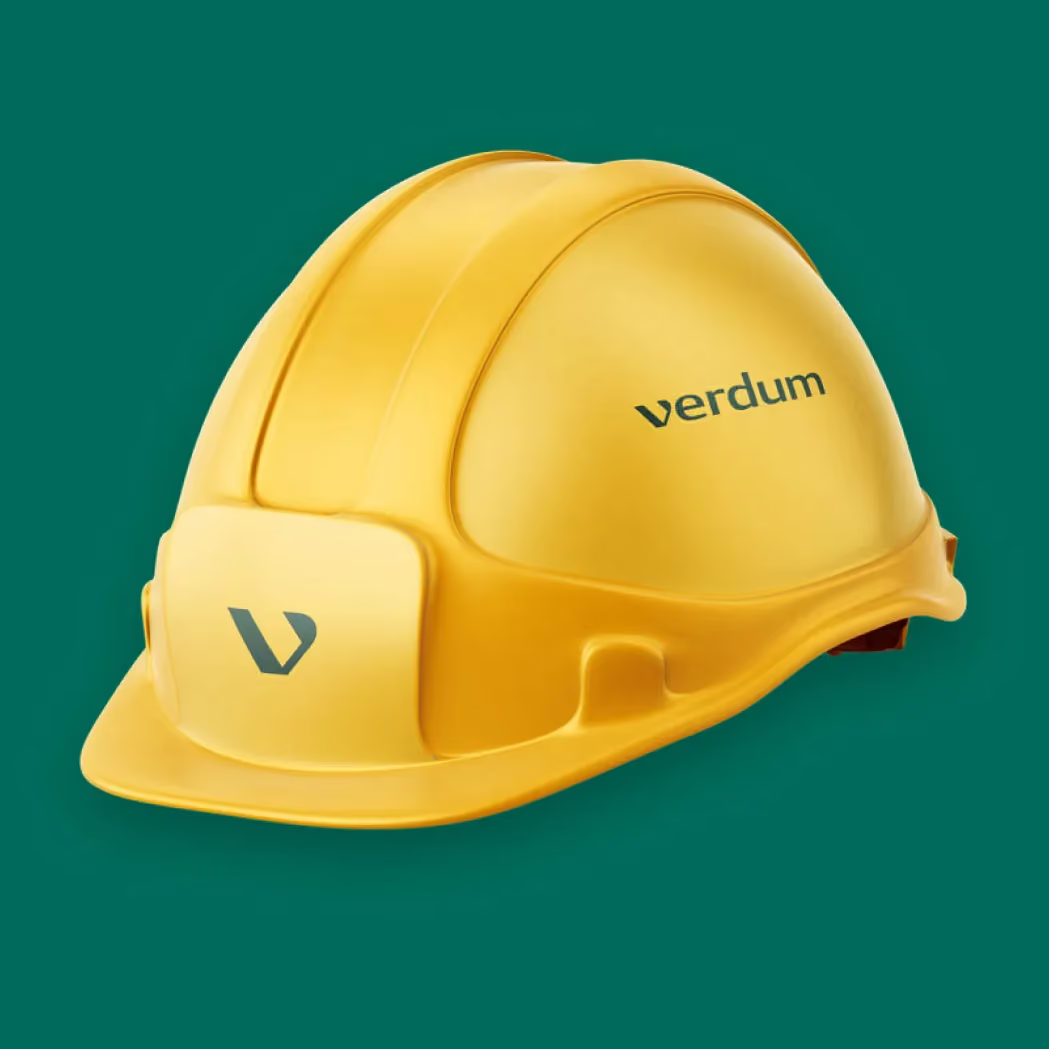
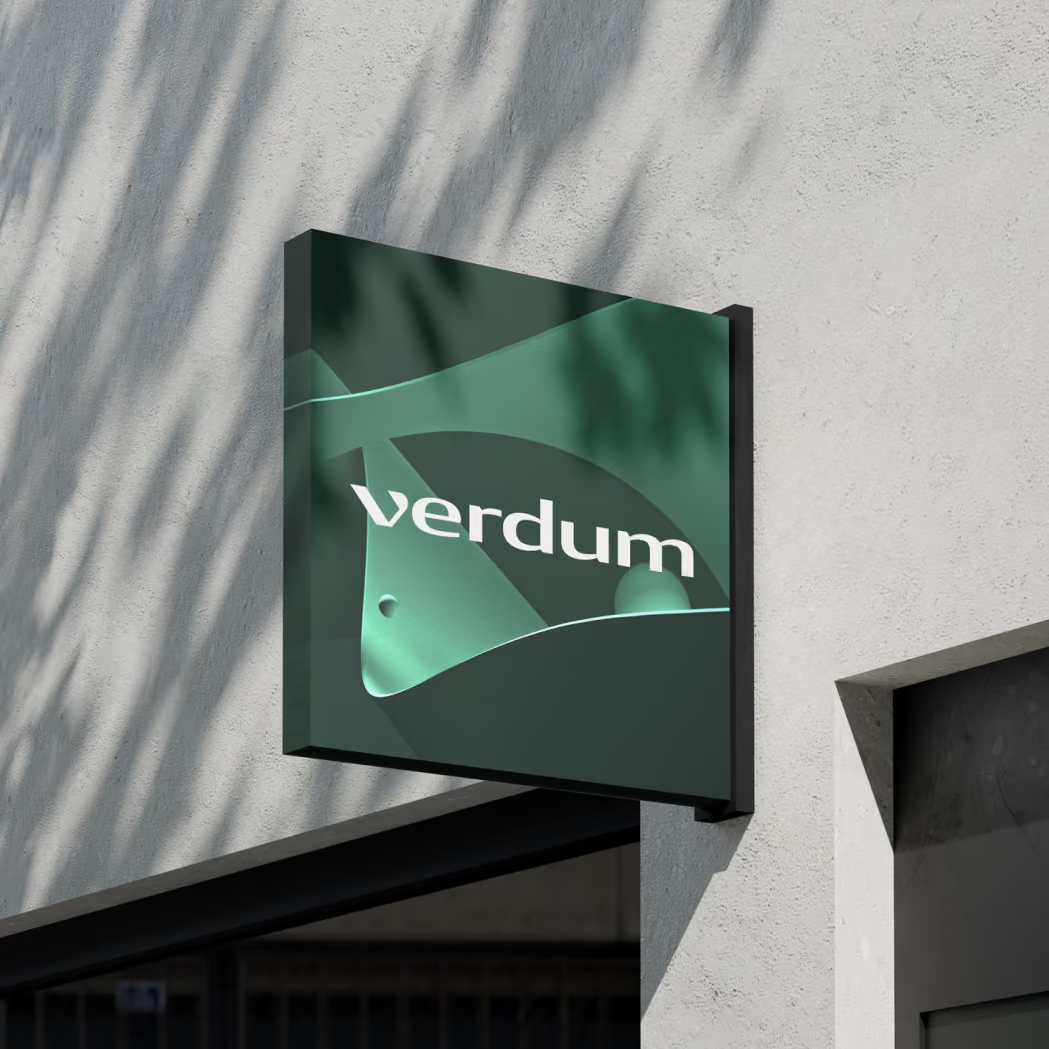
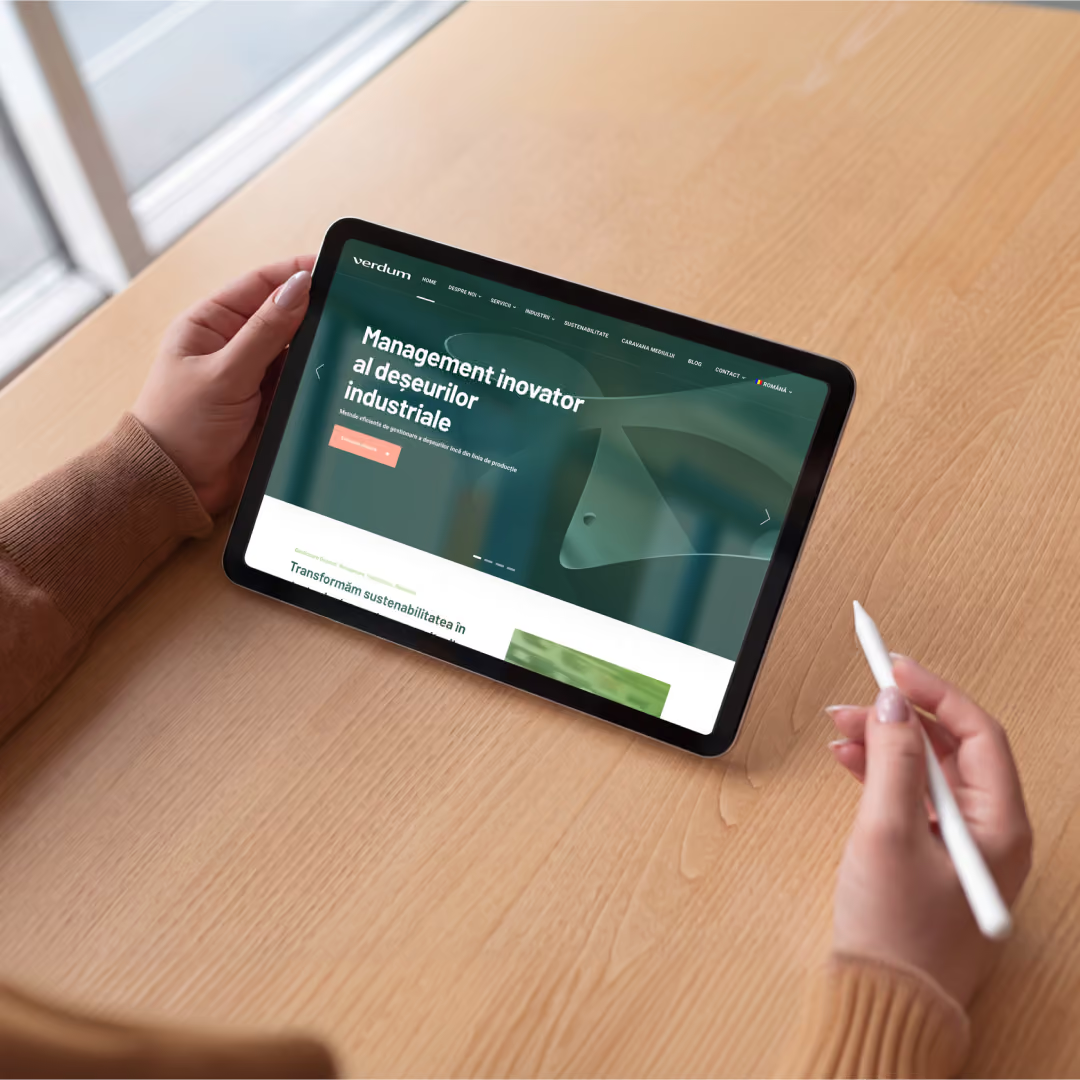
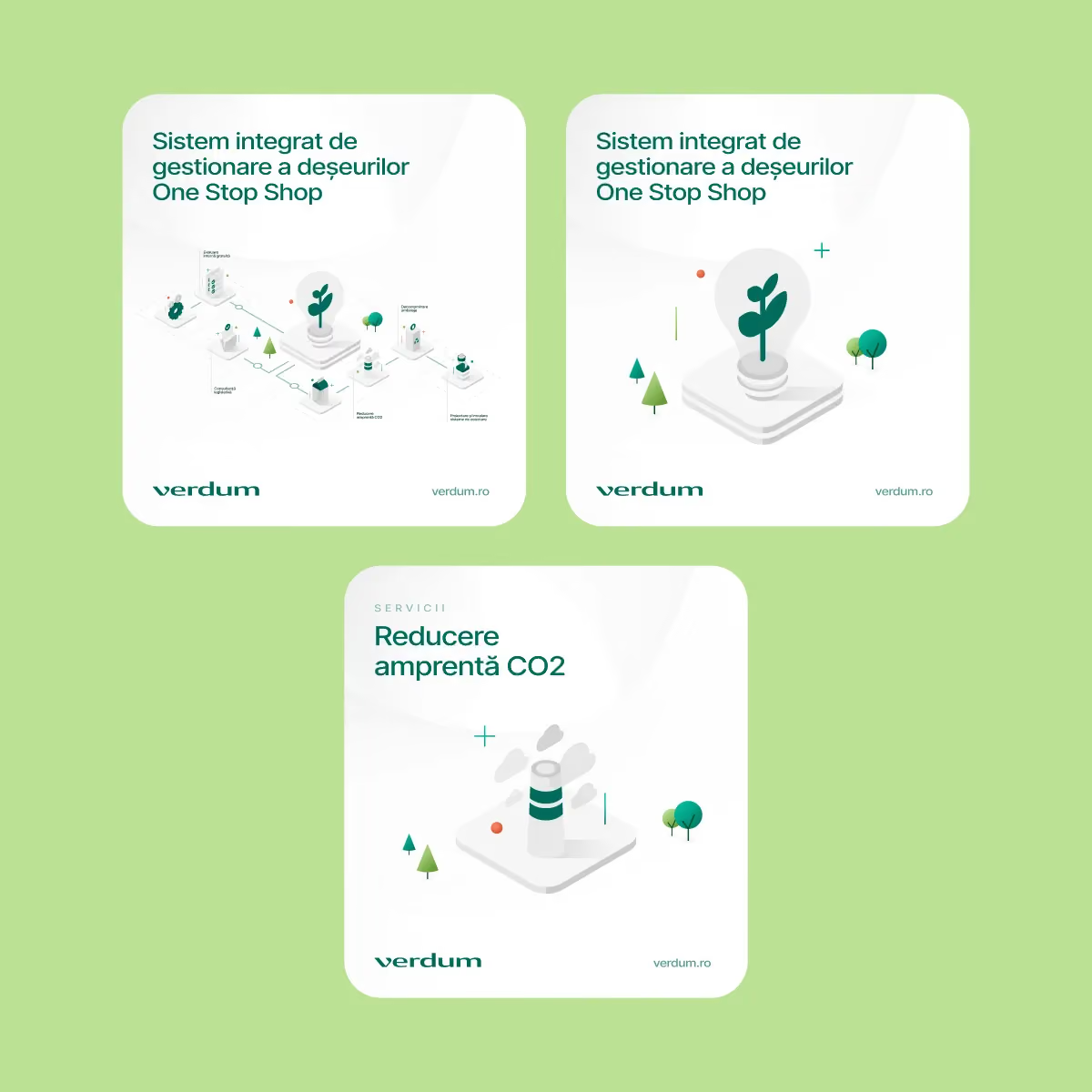
The identity was built to the same brief. Not a logo, but the structure a company of this scale runs on: the mark, the rules, the assets its teams use every week. Built out of the strategy, so every application argues the same thing.
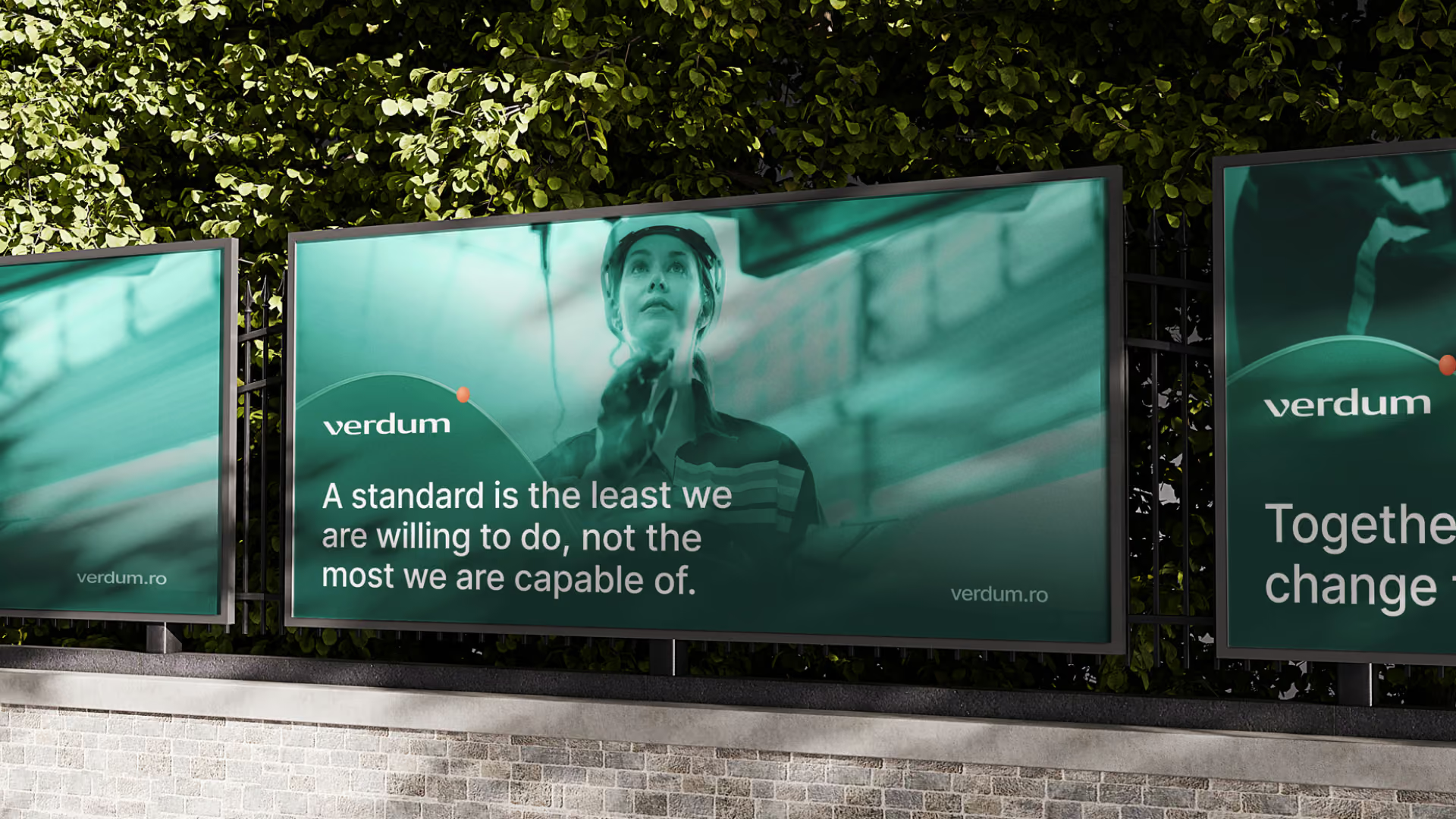
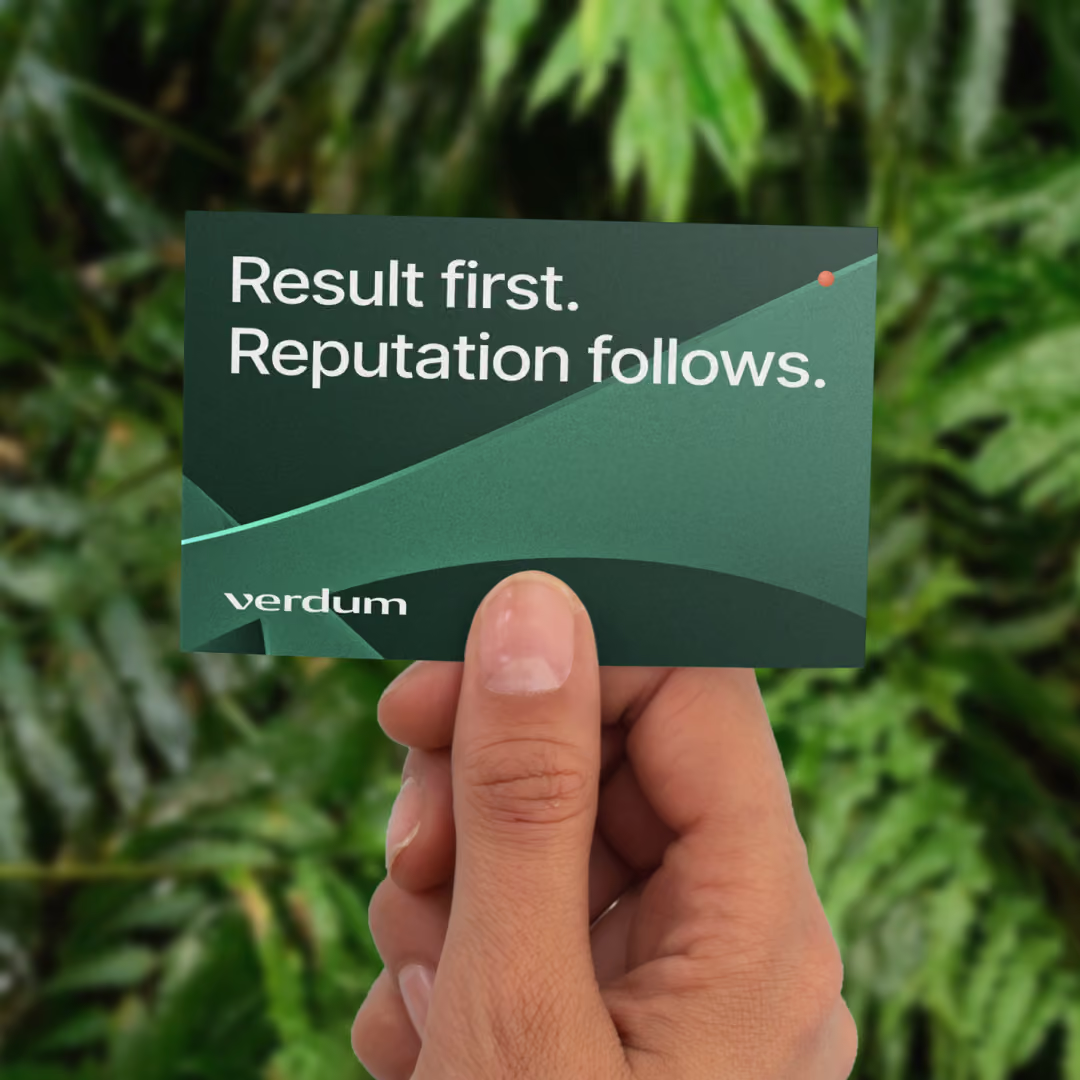
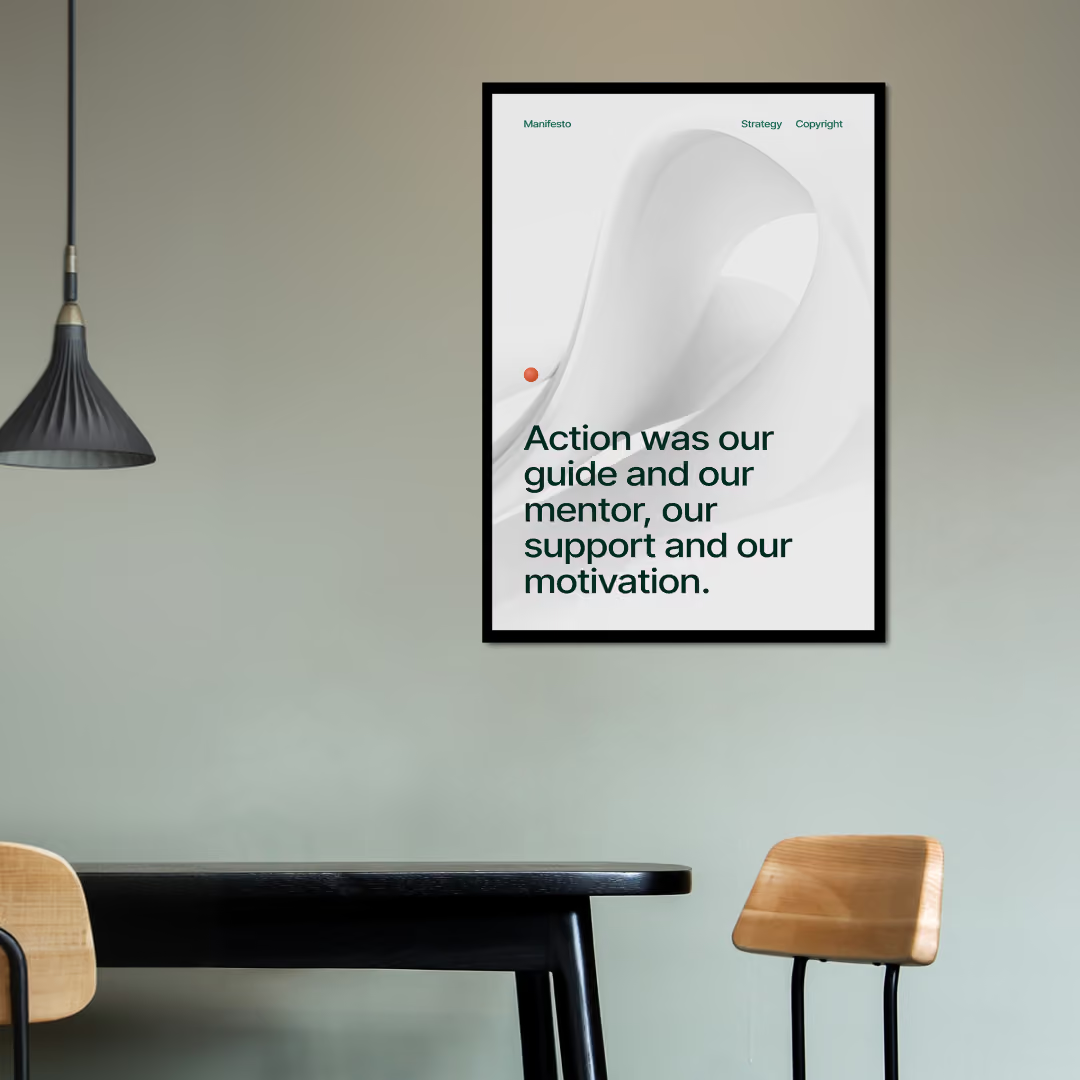
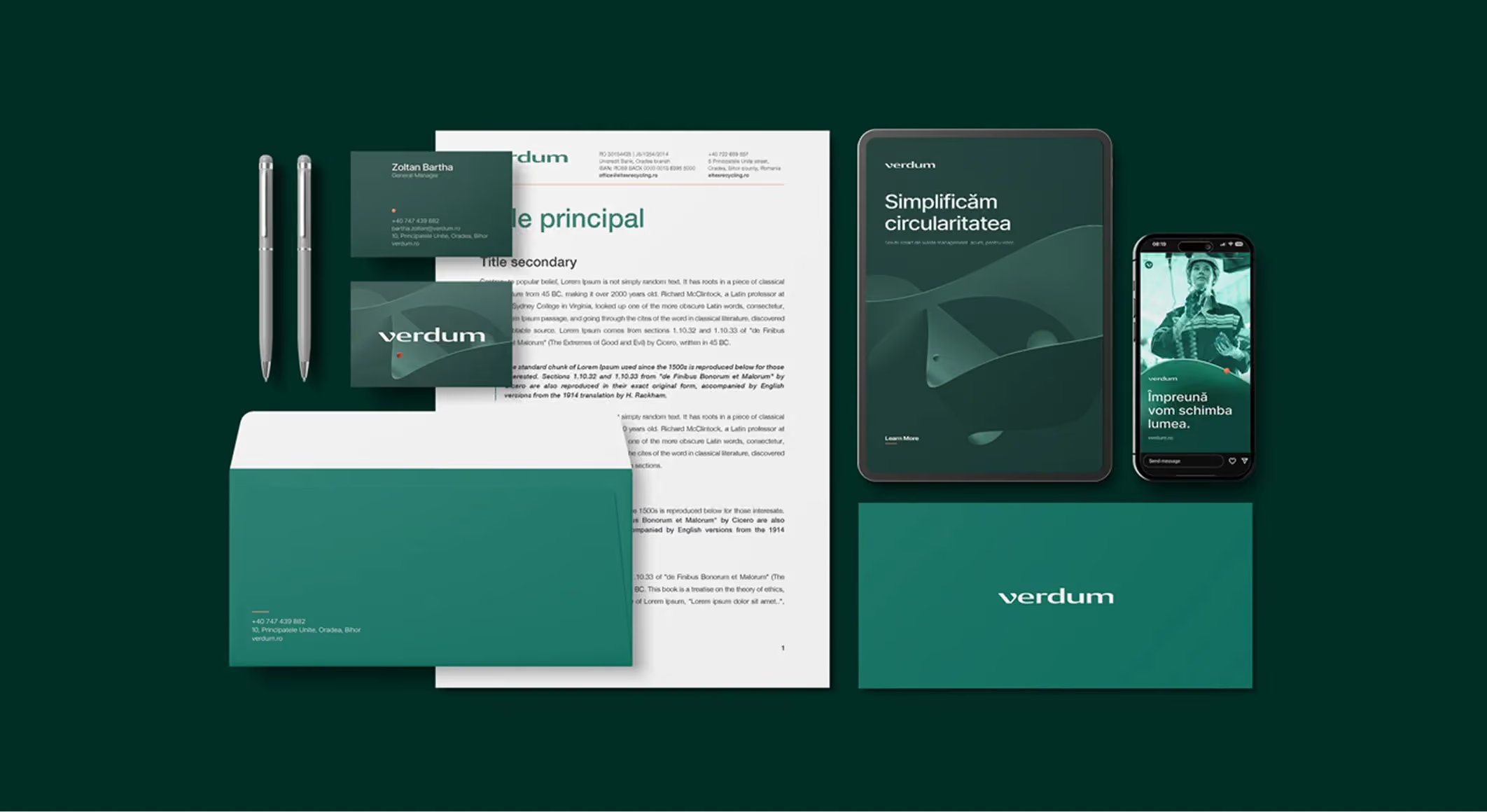
Icons that describe processes, not decorate them
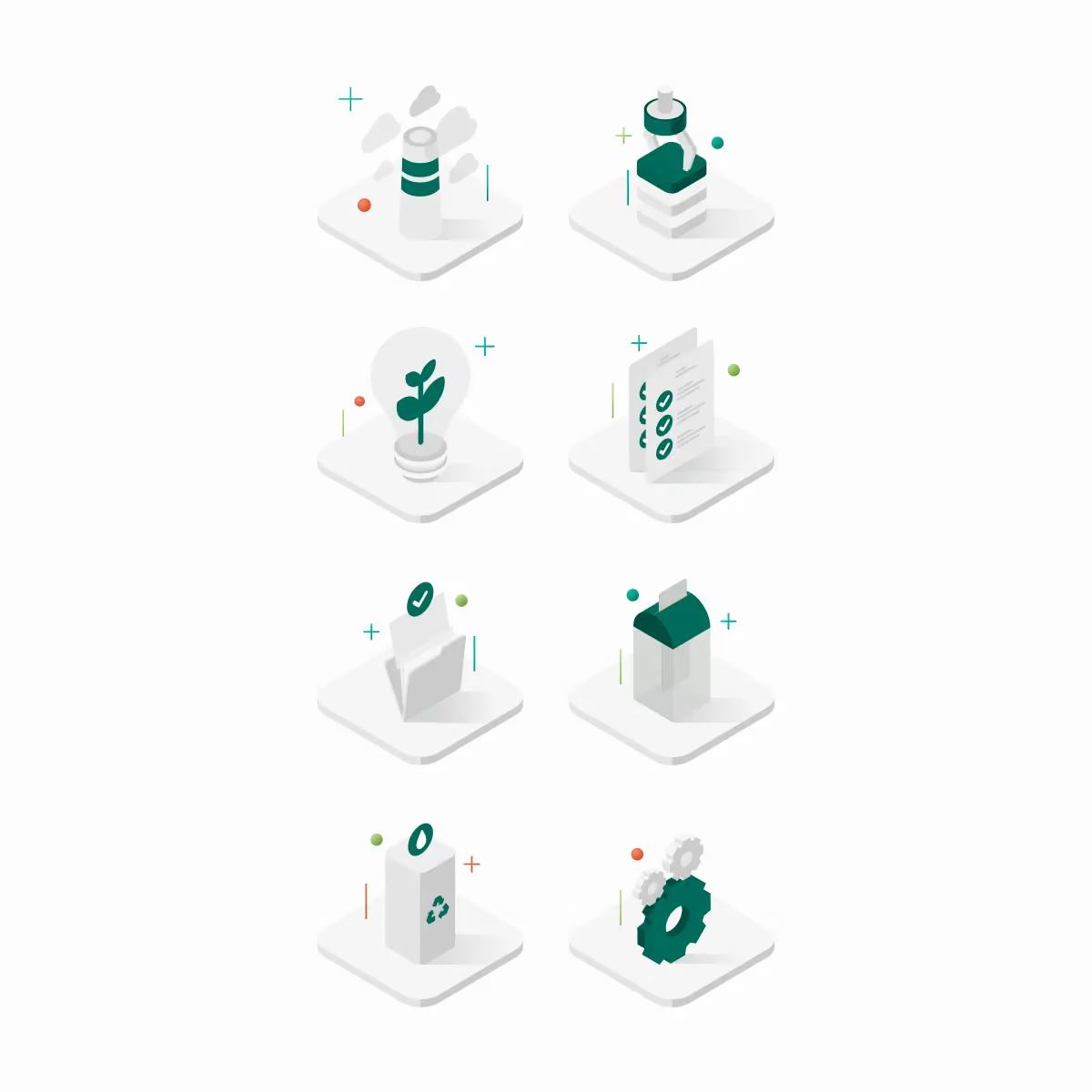
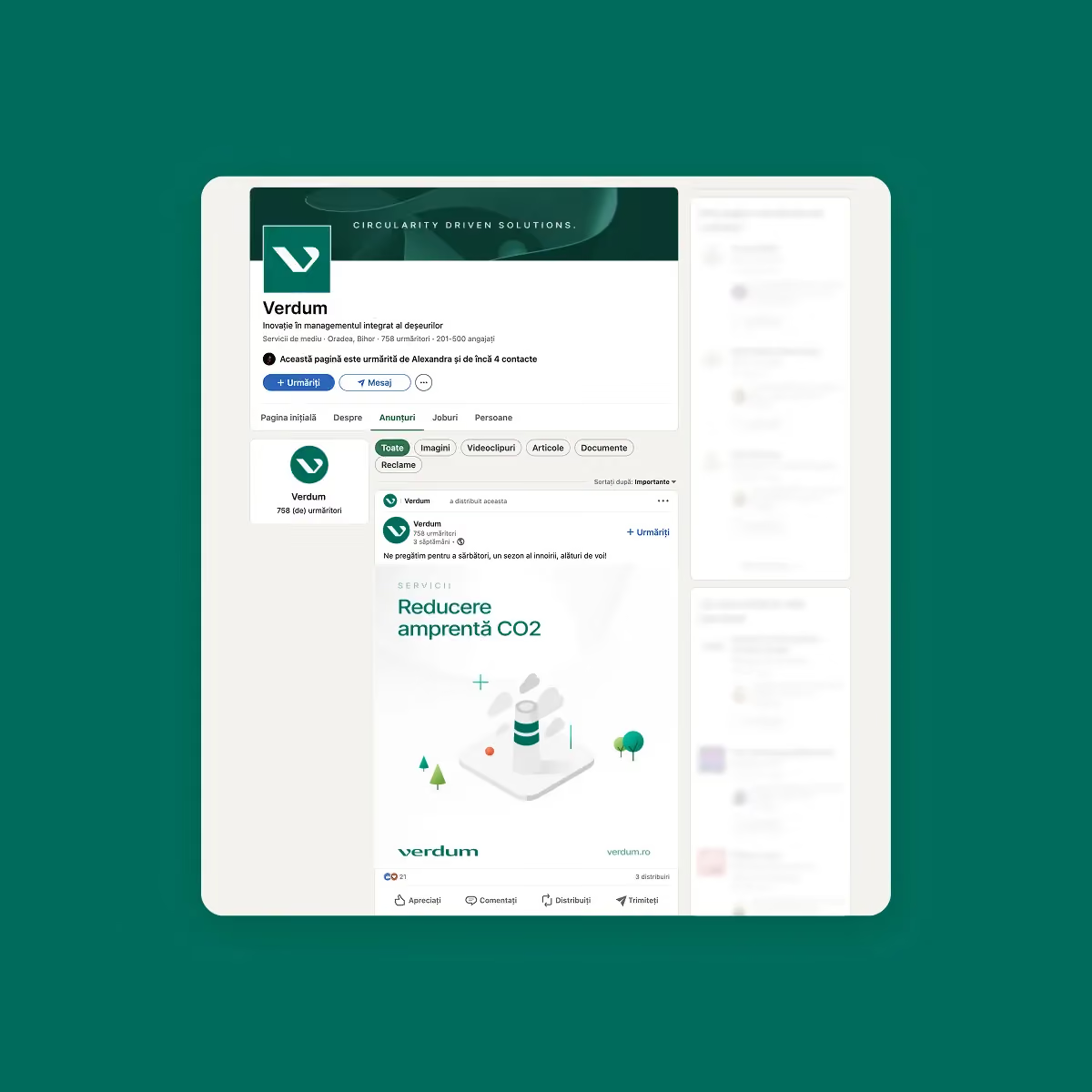
The identity work also produced an icon and illustration set. Each one names a specific process rather than a generic idea, and all of them follow the same rules as the mark, so a technical drawing still reads as Verdum rather than as stock.
The system, drawn with the people who run it
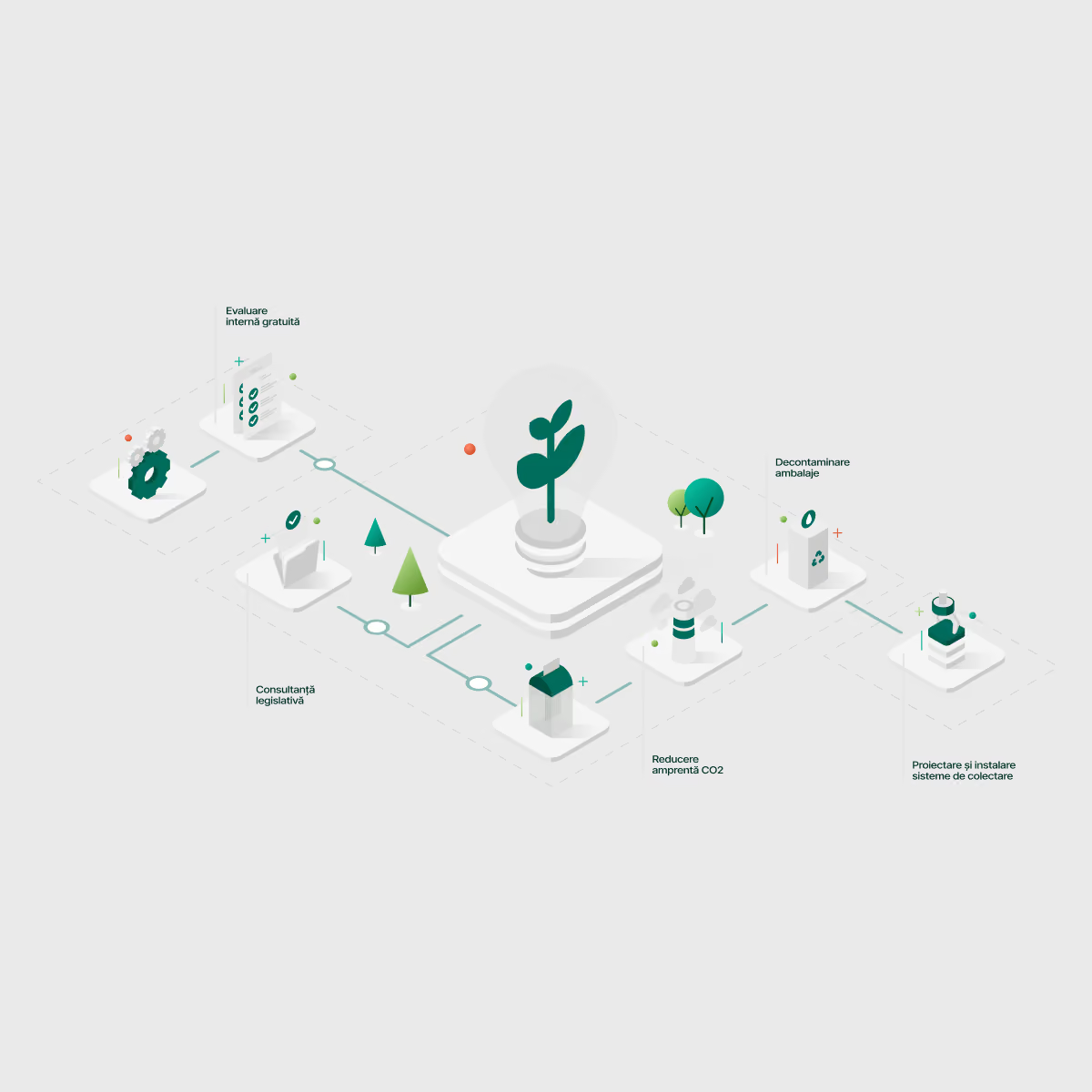
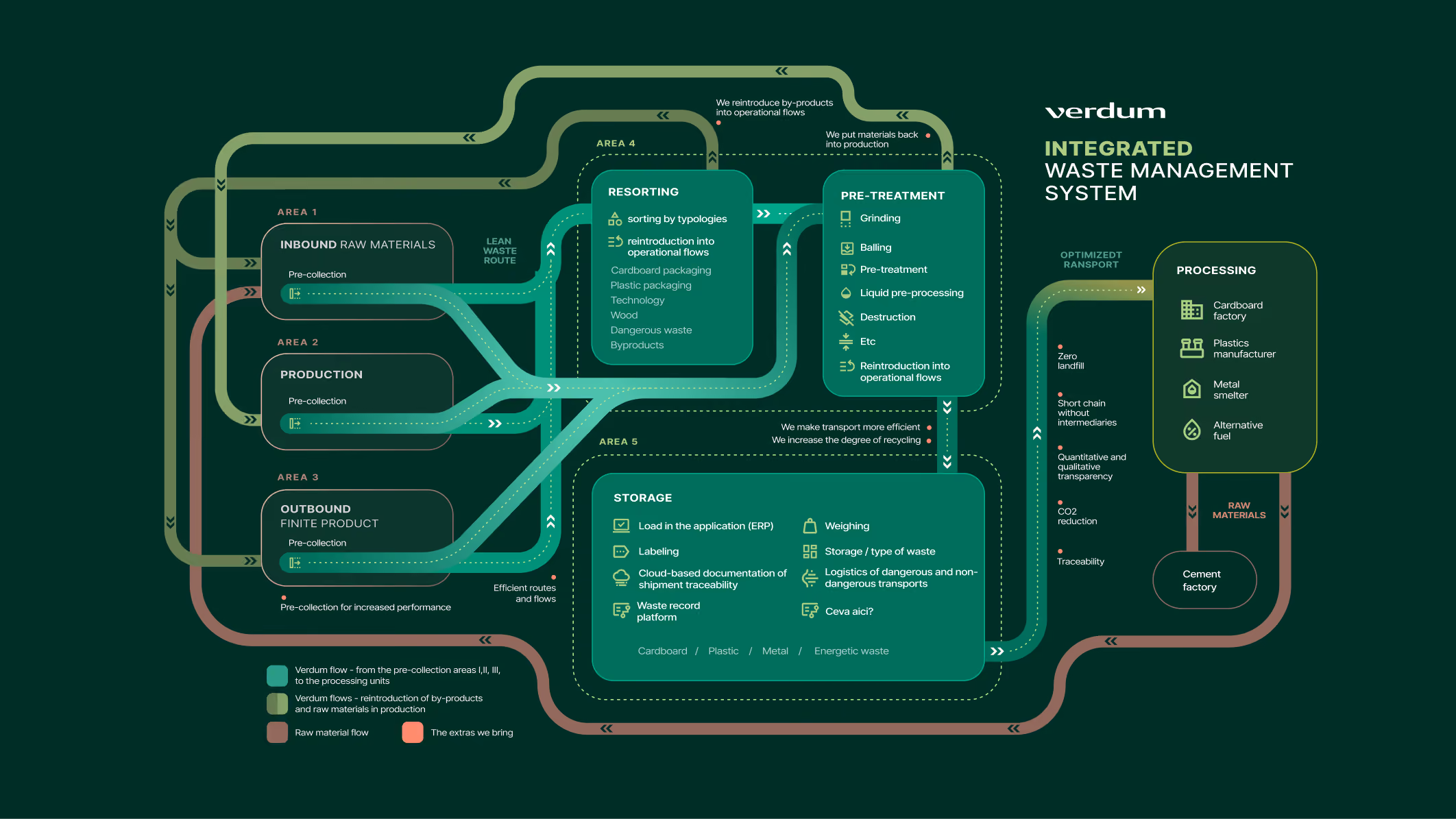
They do their hardest work here. In the workshops we mapped every point where Verdum enters a client's operation, then reduced it to what matters and drew it: one diagram that explains the whole integration in the brand's own language.
Closing
We built it out of what was already there
Nothing about the operations was invented here. The capability, the depth, the people were already there. What is new is a brand grown from the company's own direction, and strong enough to hold as that direction moves. Eltex described a past. Verdum describes an intention.
Share project