Traknamic
We named them at the start. Years later we named what they had become
Blackboard named Tracknamic at launch and built its first identity. At product-market fit, under a new CEO, we rebranded it and went into the product: from a telematics vendor to a platform for the logistics ecosystem.
What we did
The real question
They had won their category, then outgrew it
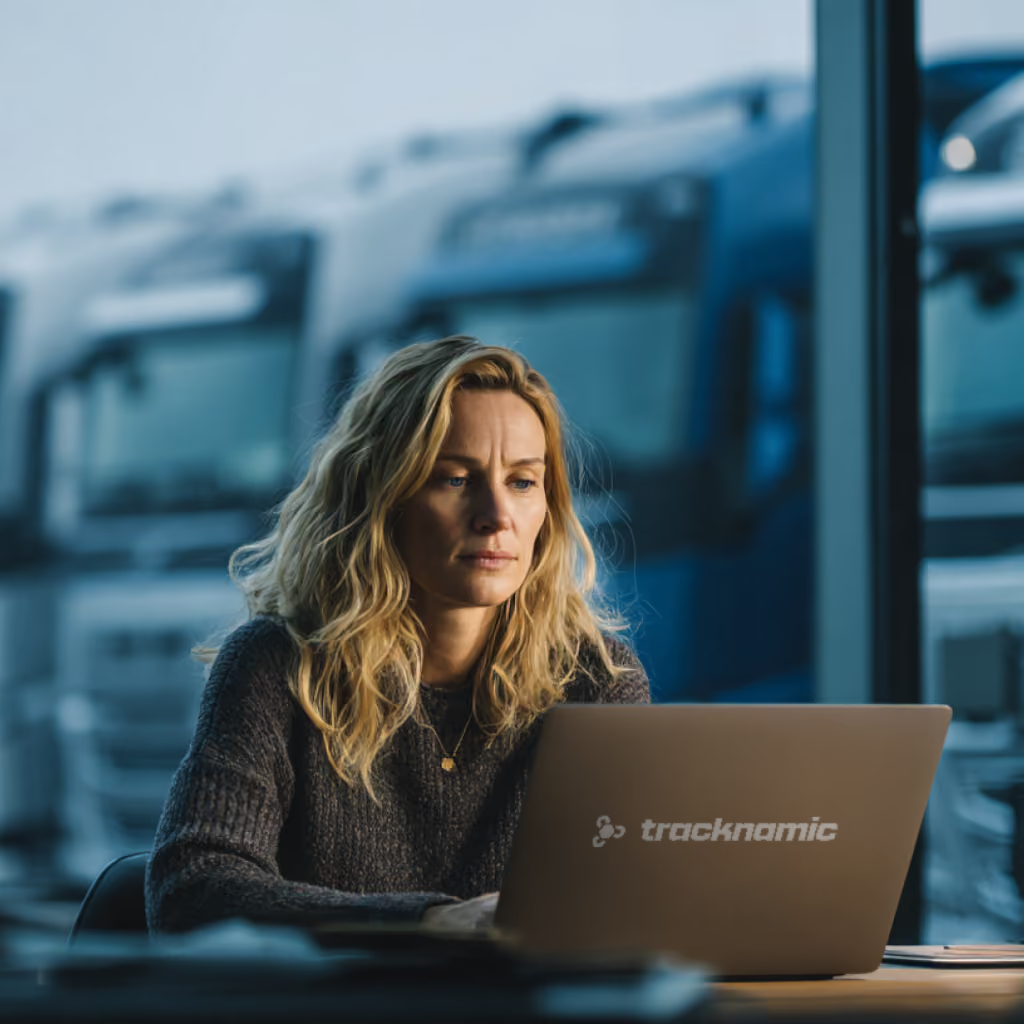
Telematics is a category of vendors: a device on the truck, a dashboard, a feature list every competitor prints too. Tracknamic won inside it, then outgrew it. The question was what a company does when the category it leads no longer describes what it is building.
Starting point
The company had outgrown the category it led
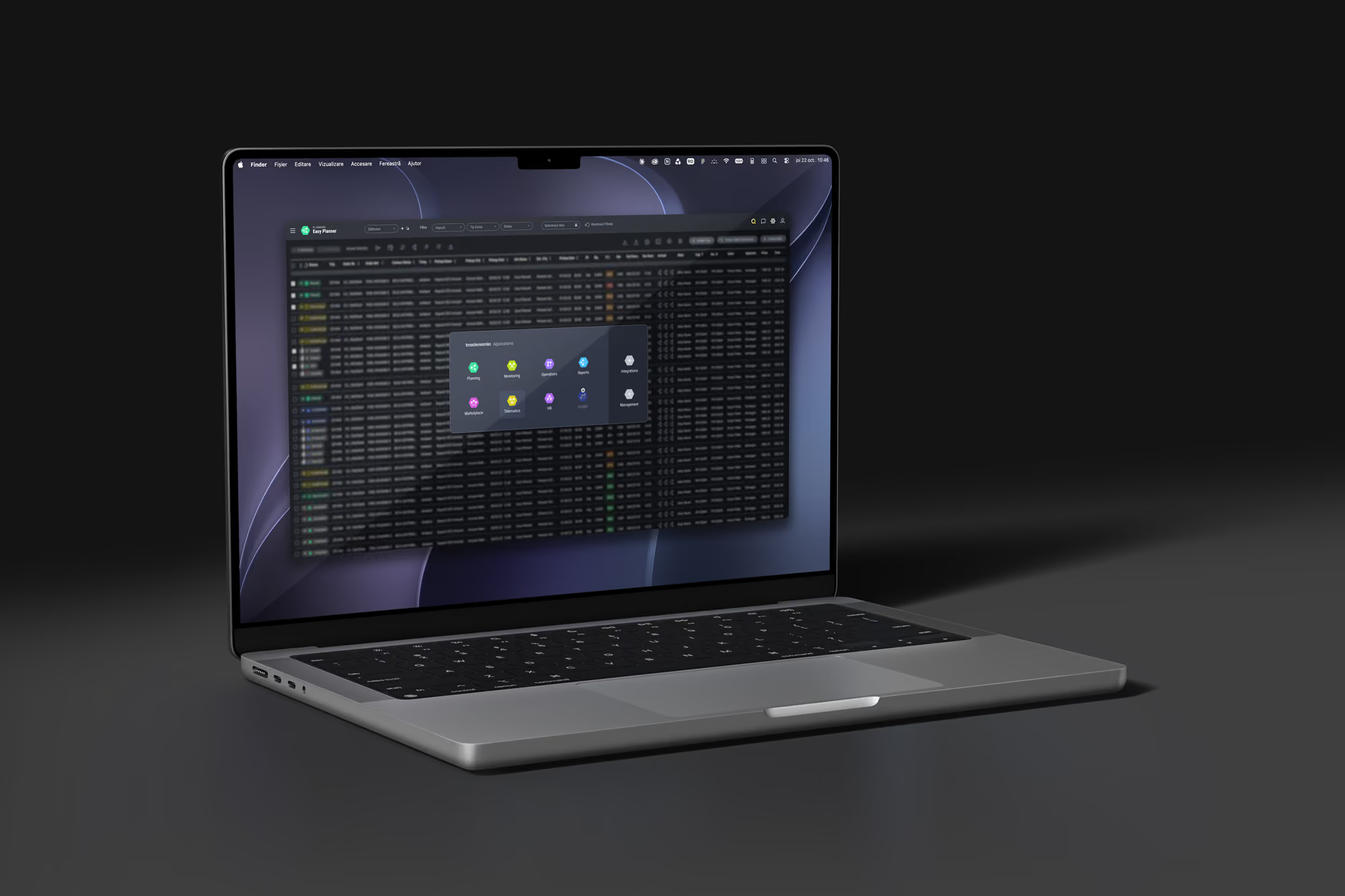
Tracknamic reached product-market fit as a go-to telematics solution. Then its Chief Architect, became CEO with a different vision: not a better telematics product, but a platform of interconnected modules for the whole logistics chain.
How we thought about it
The direction, and the values, came from the leadership
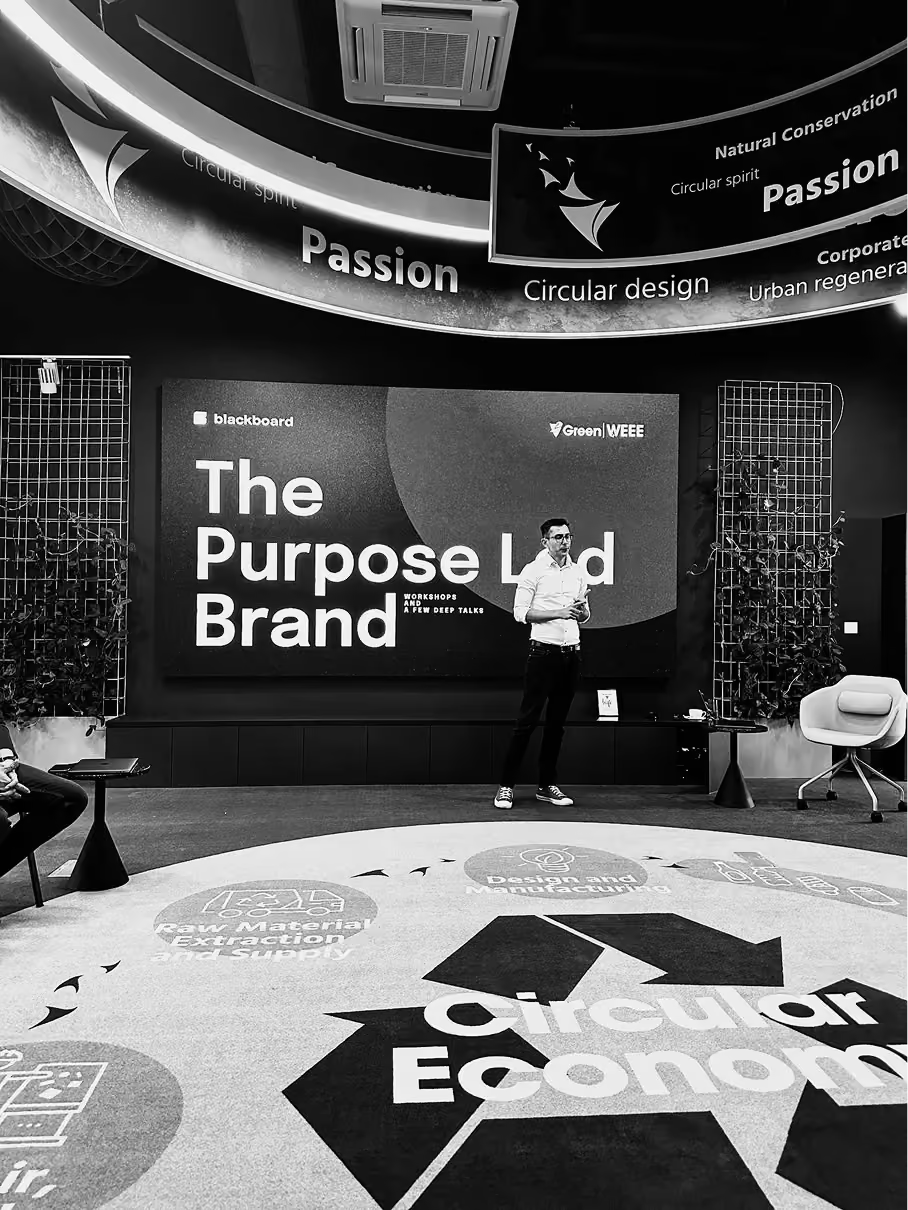
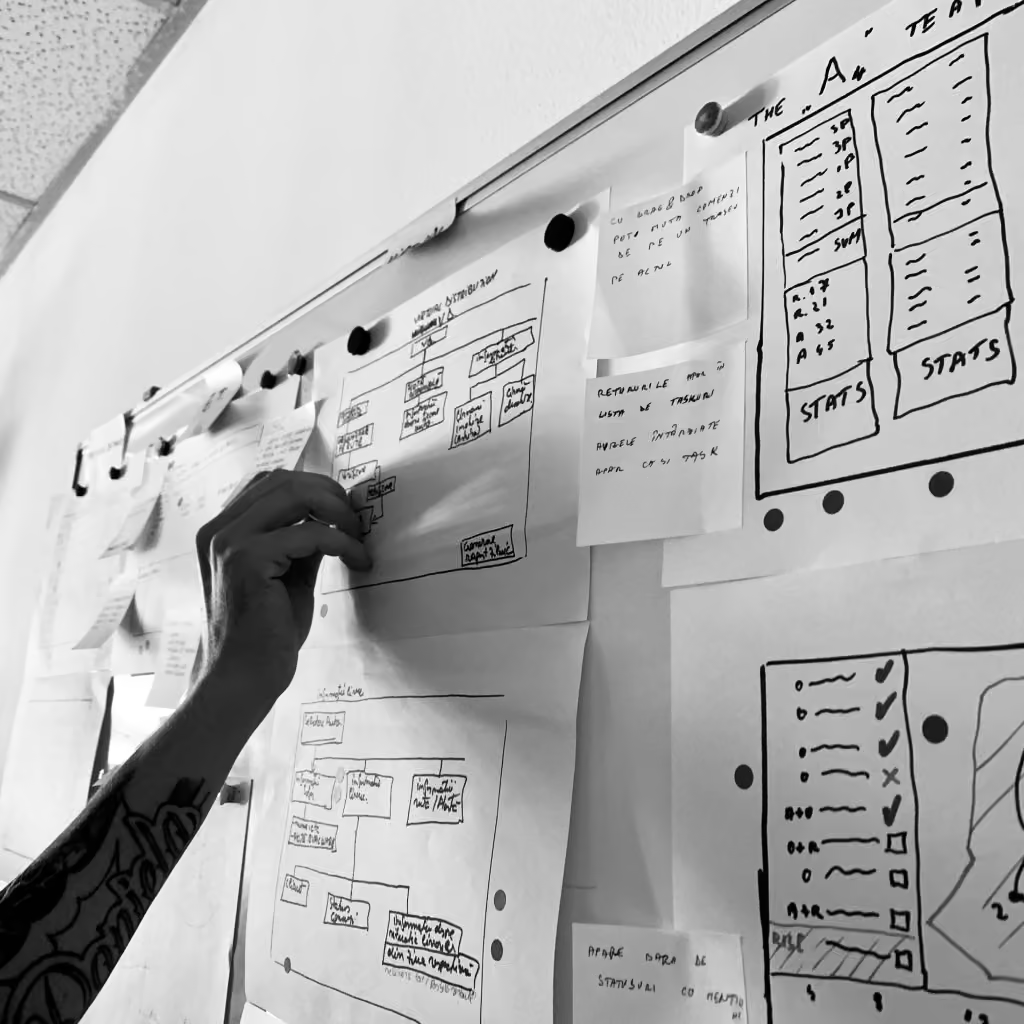
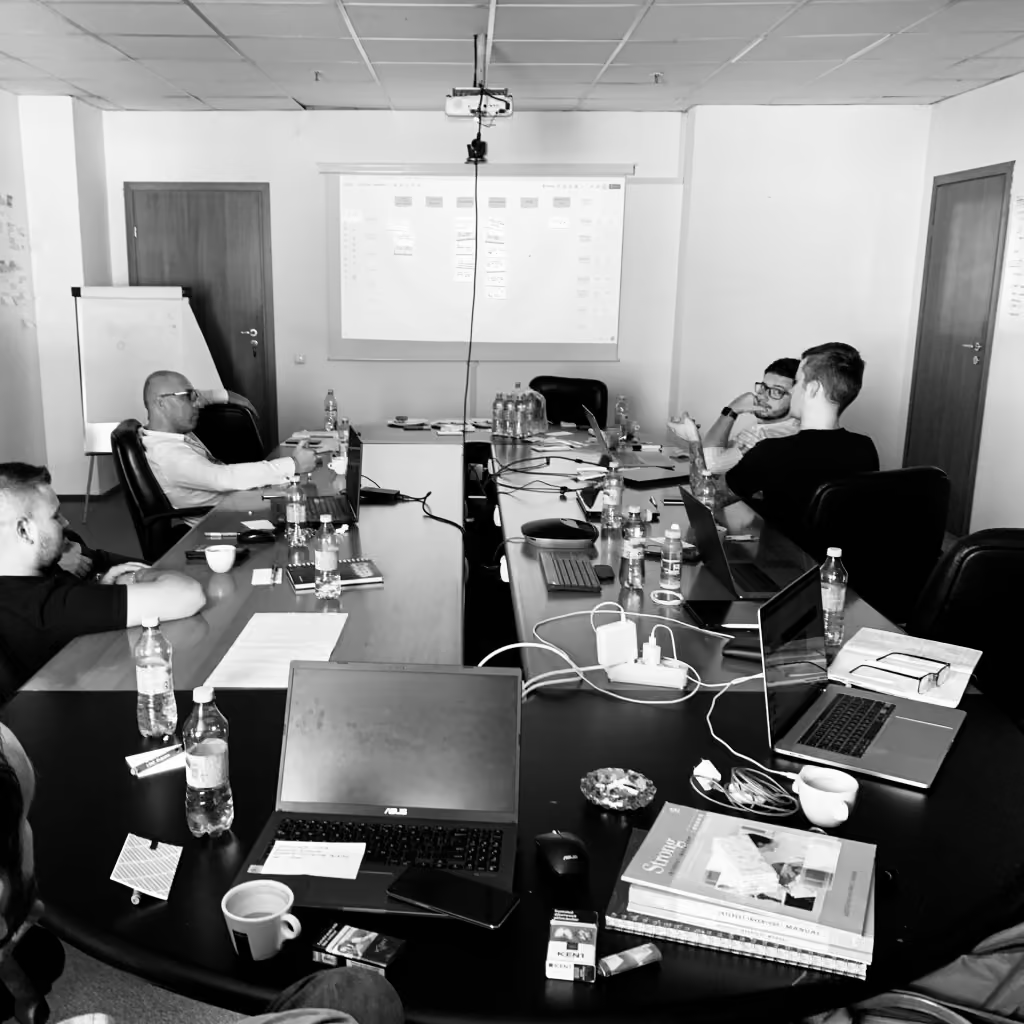
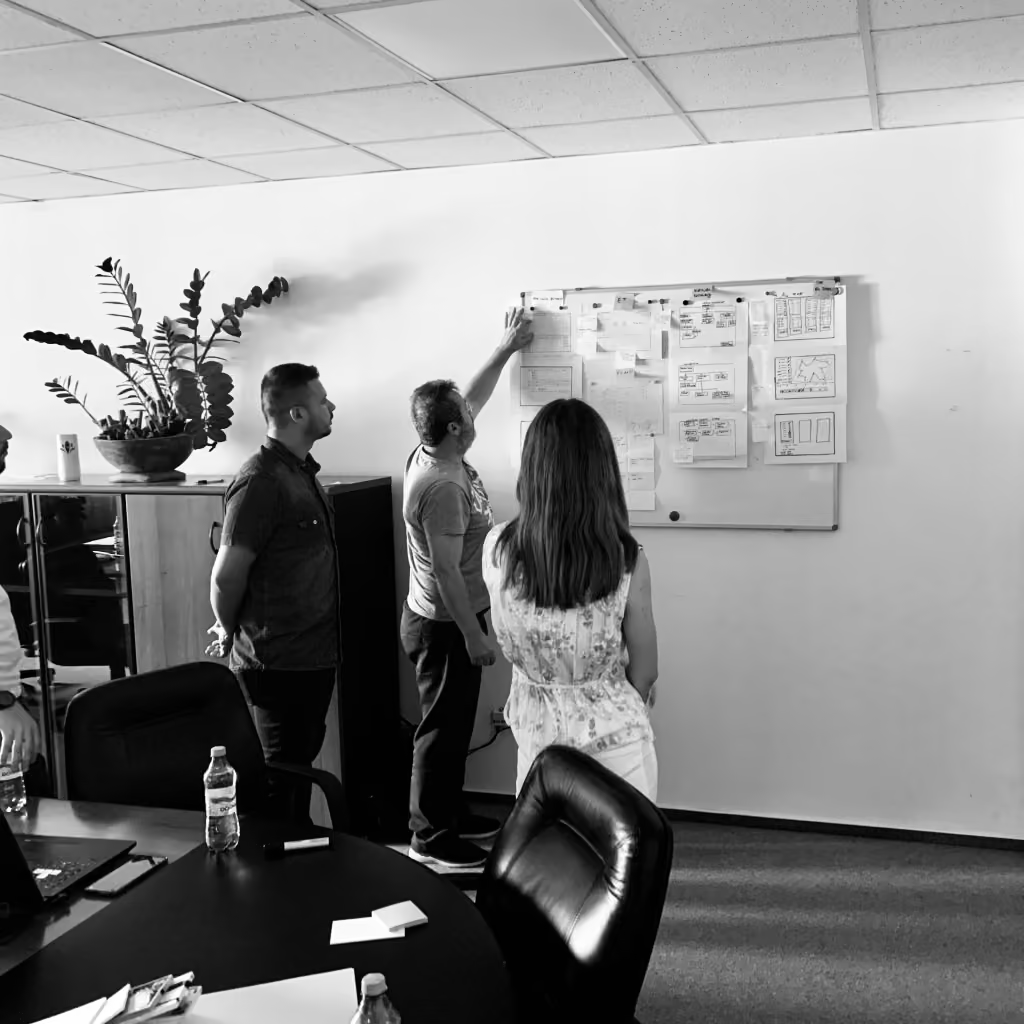
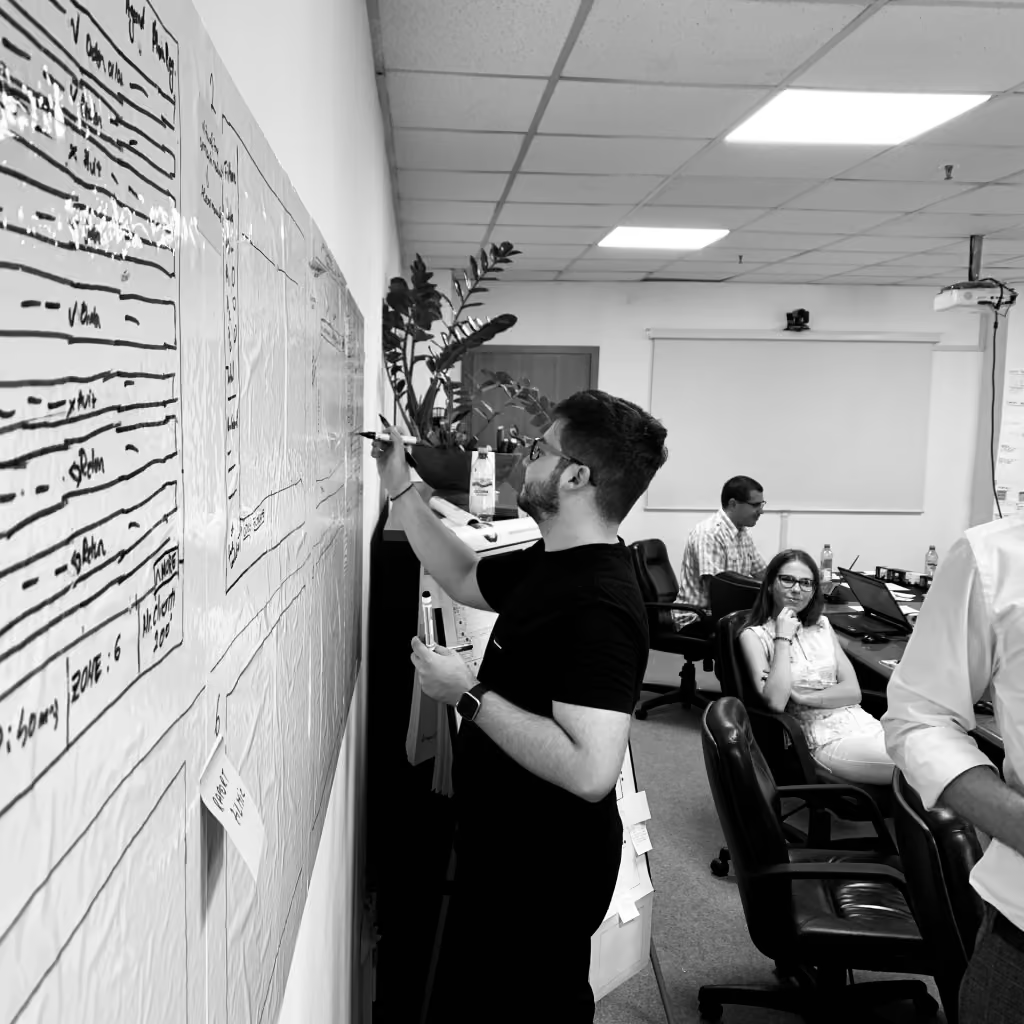
We ran strategy workshops with the leadership team. The values did more than name the culture, they drew a line. Some people chose to leave. The ones who stayed felt the opposite, and the sense of togetherness grew rather than thinned.
The decision
Not a telematics vendor. A platform.
Sub-copy, small, beneath the panel: The company stops competing on the feature list every vendor shares and starts competing on the ecosystem it builds around a client's operation. Interconnected modules, one platform, room for what the chain needs next.

Evidence, part one
An identity a platform grows inside
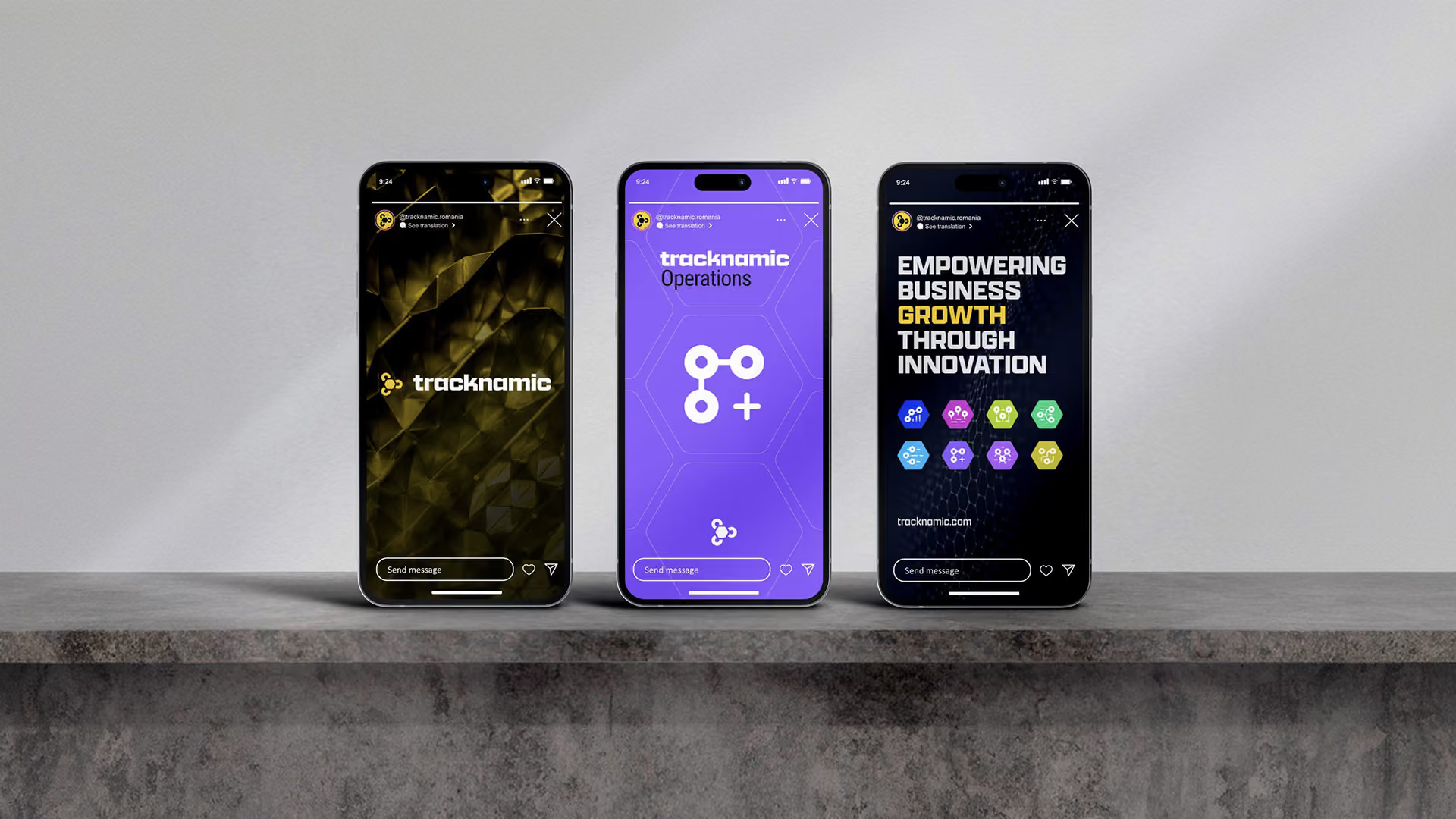
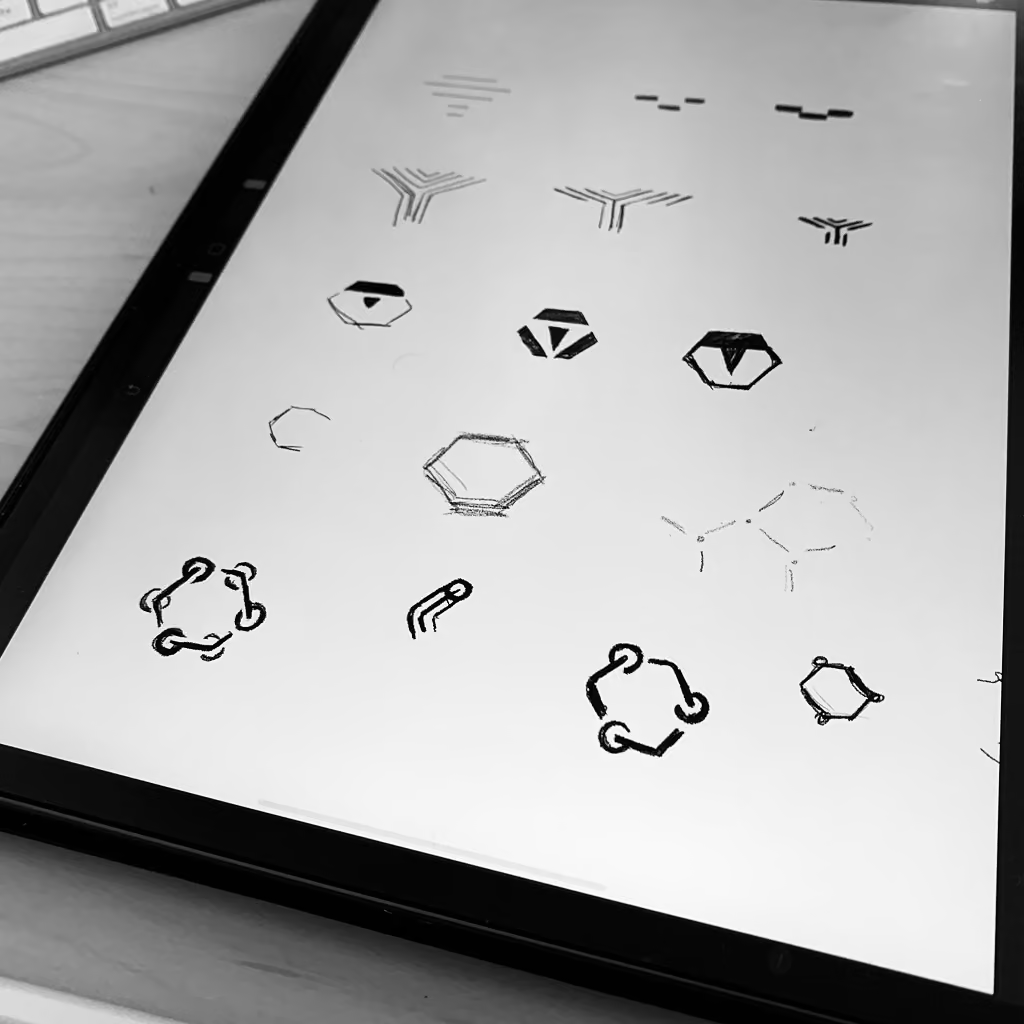
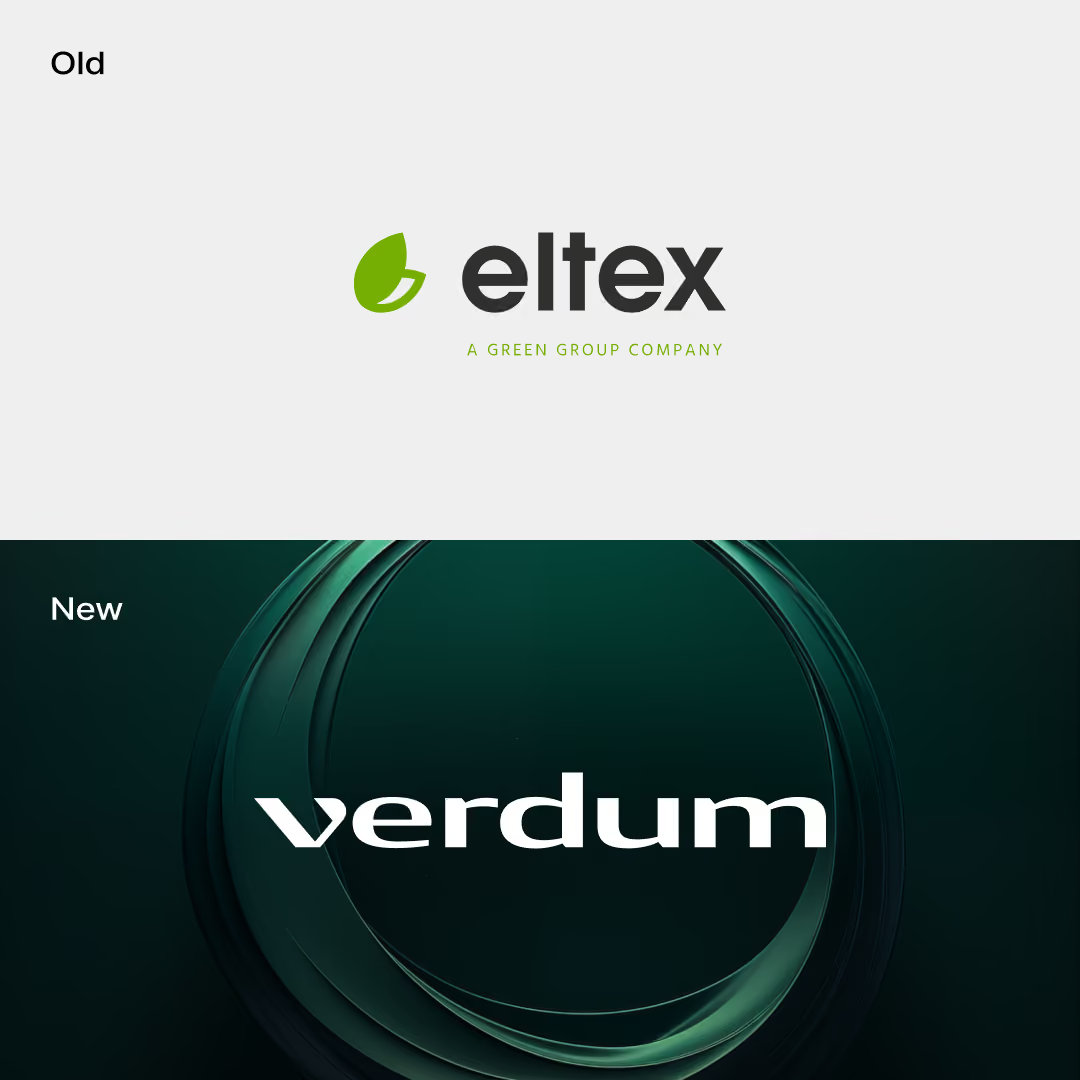
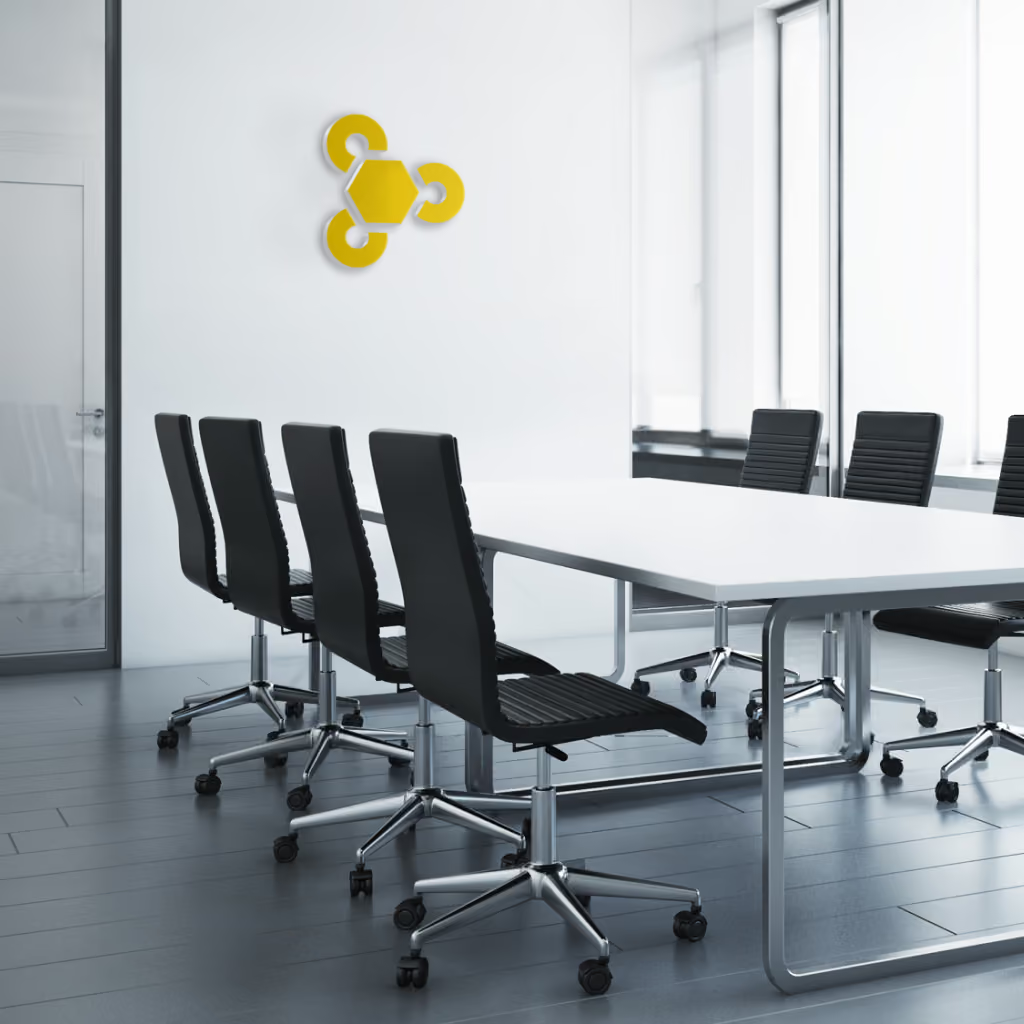
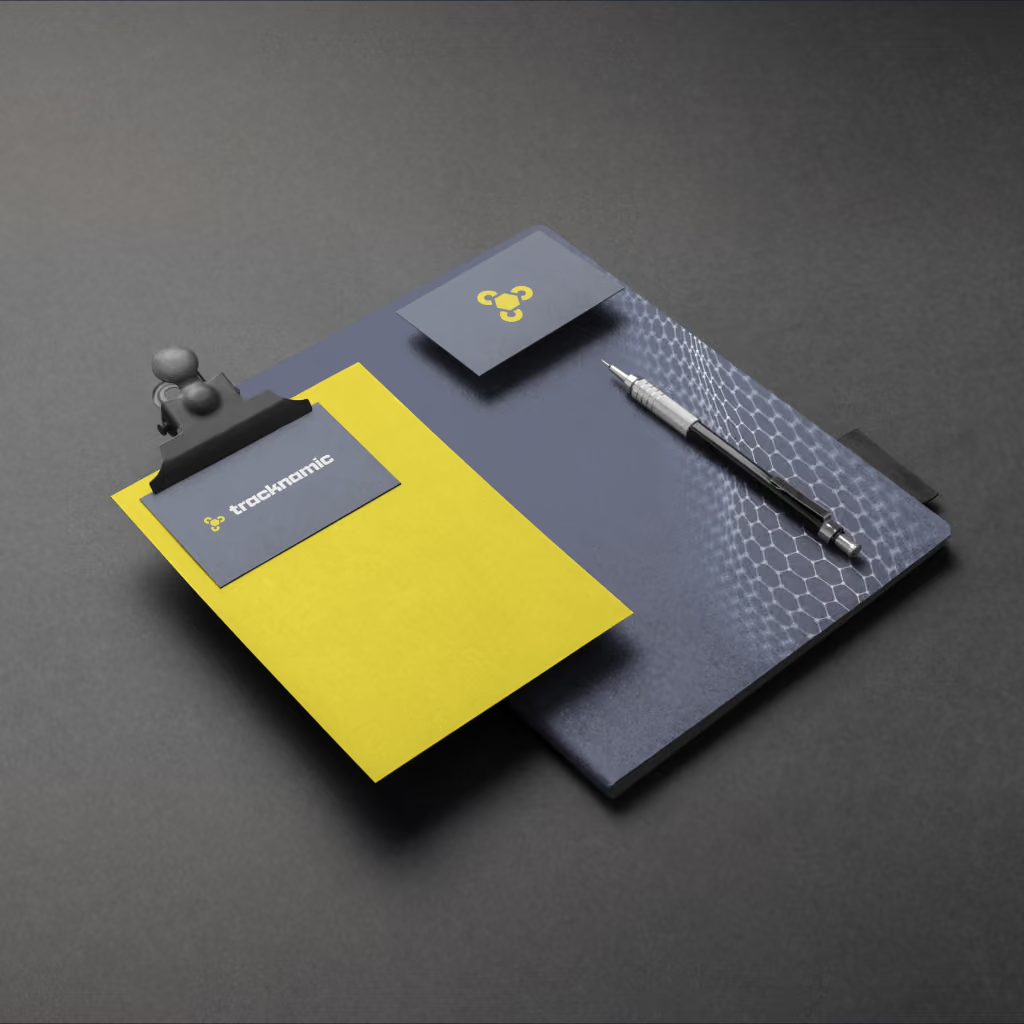
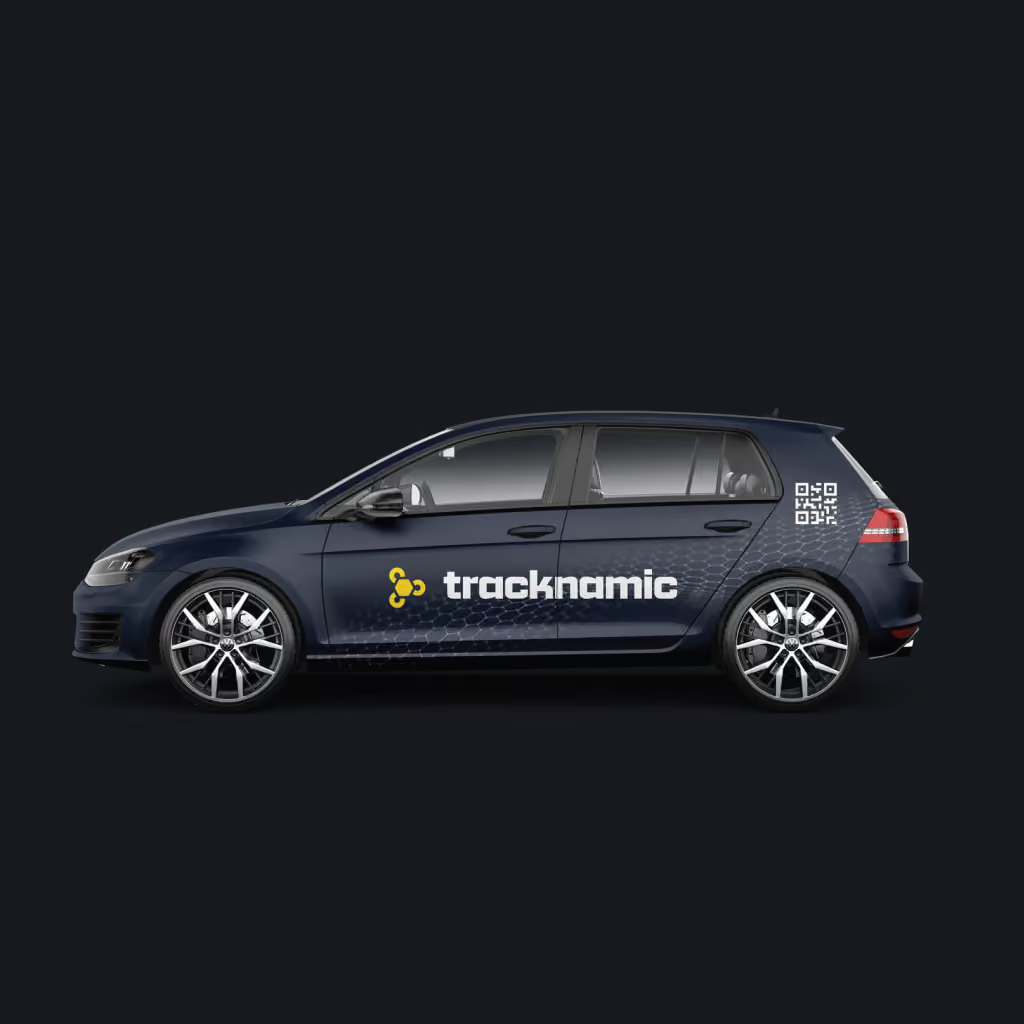
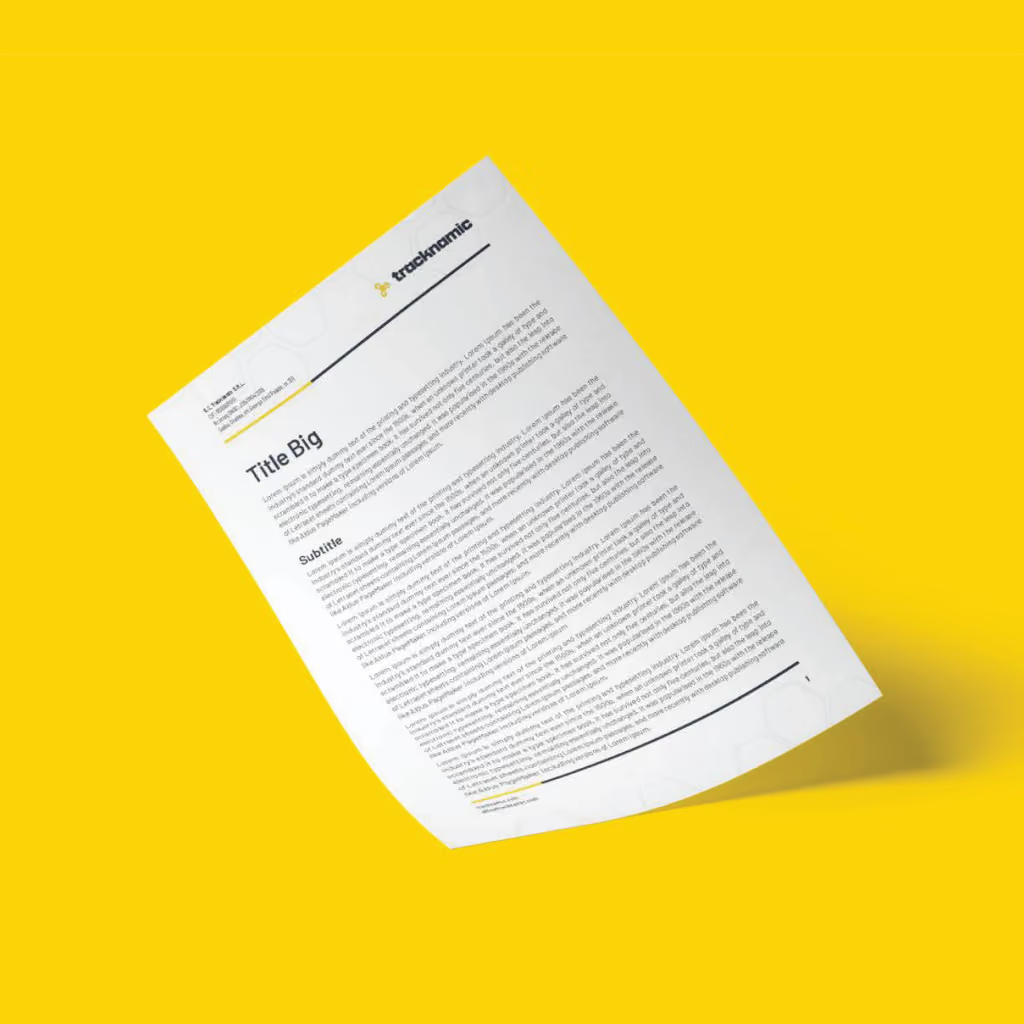
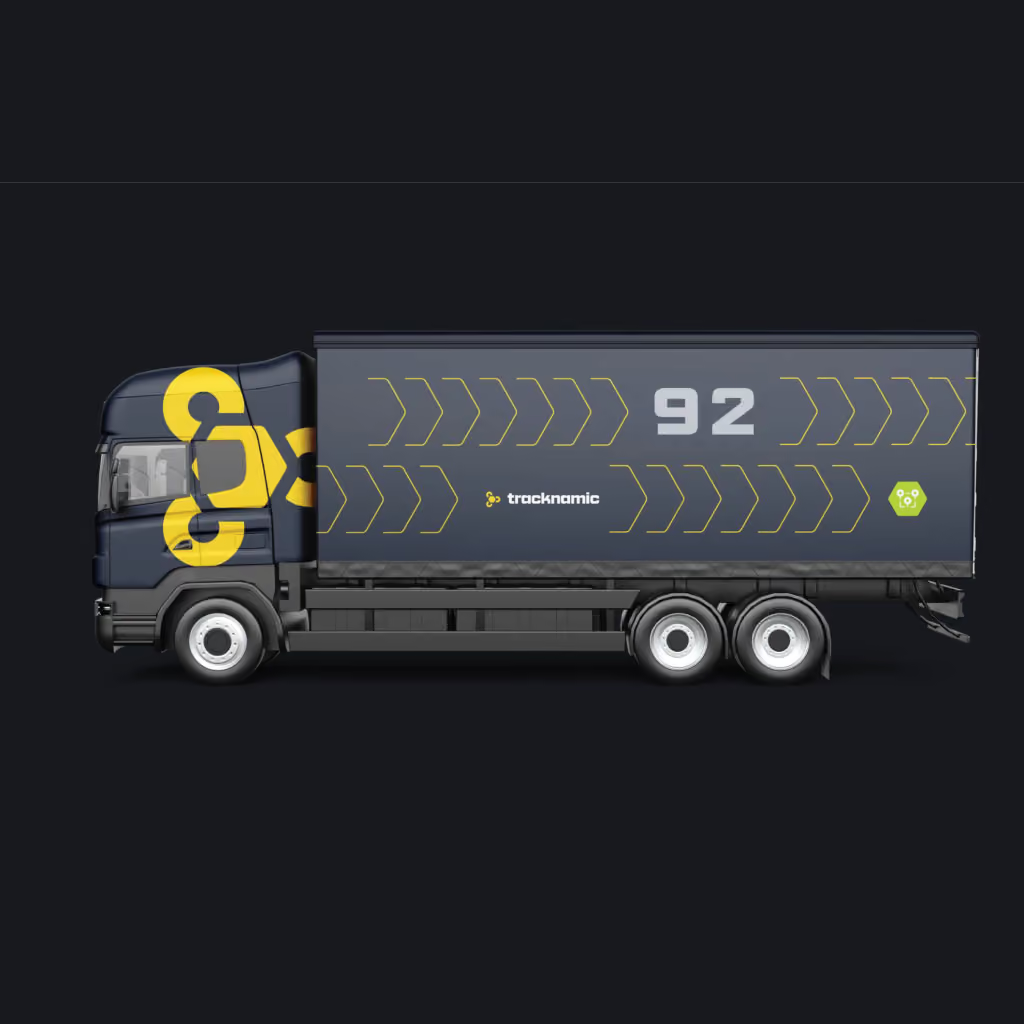
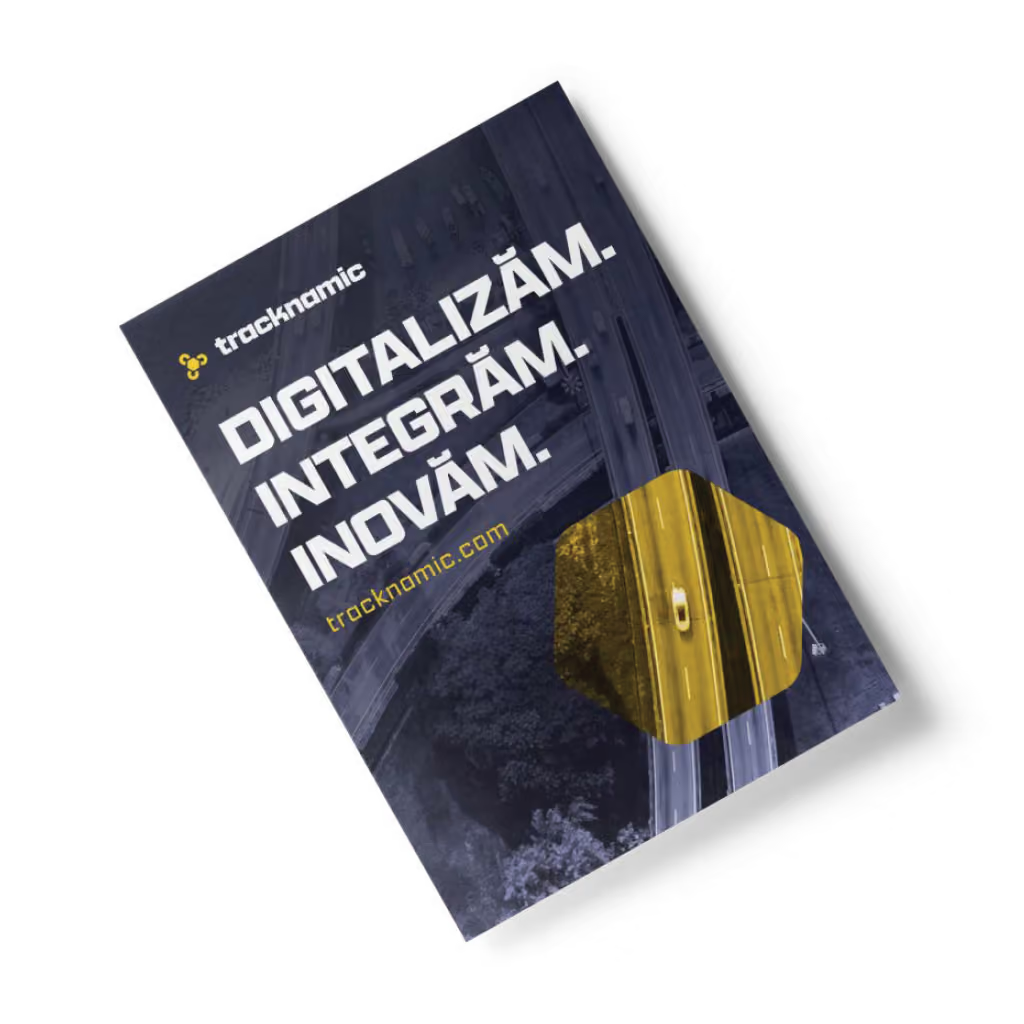
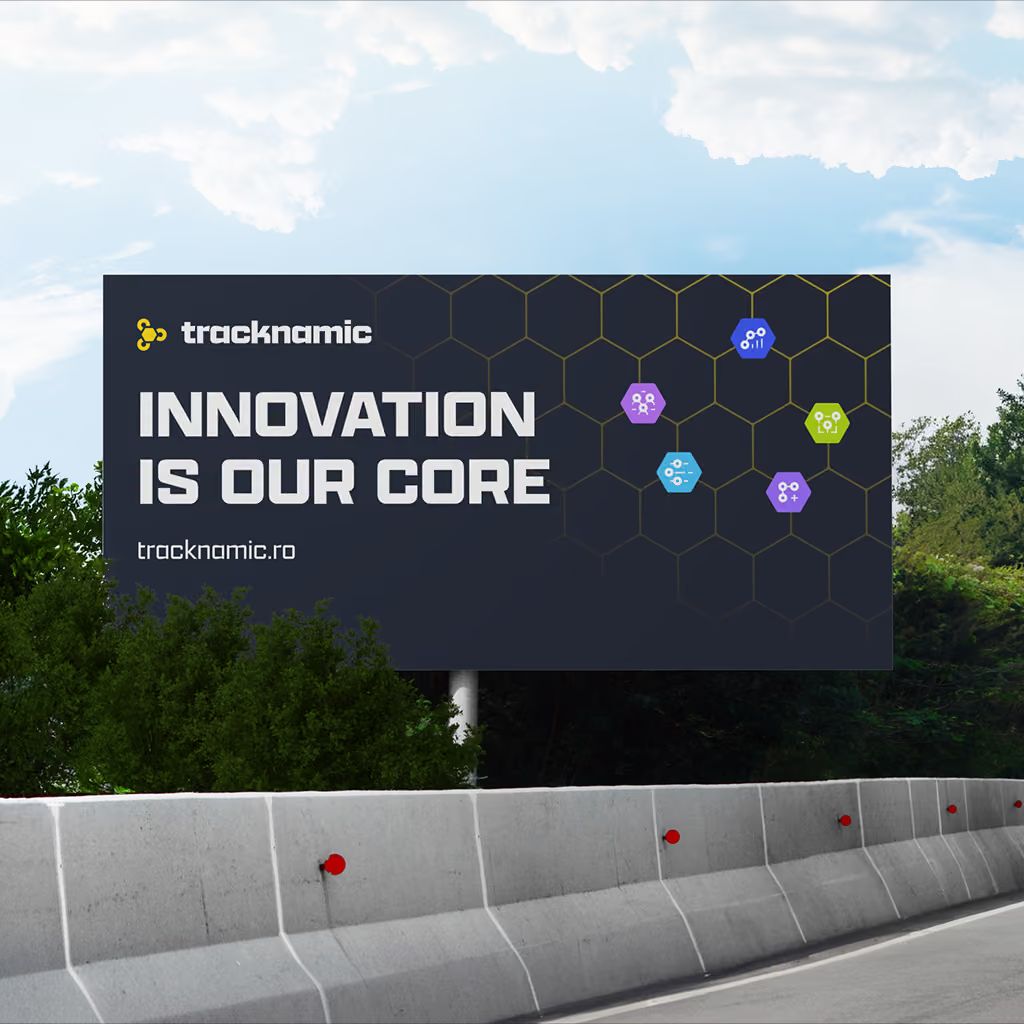
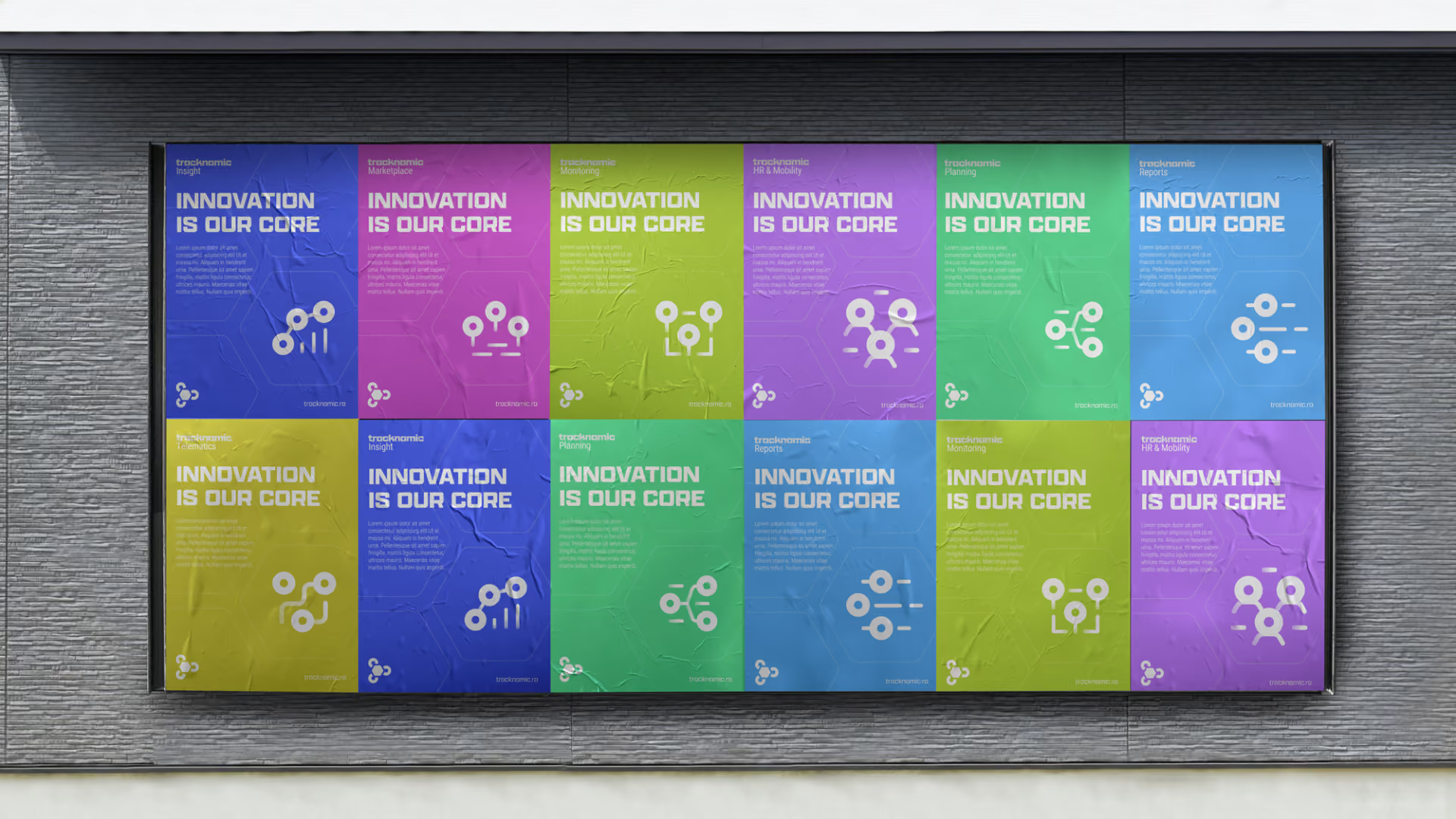
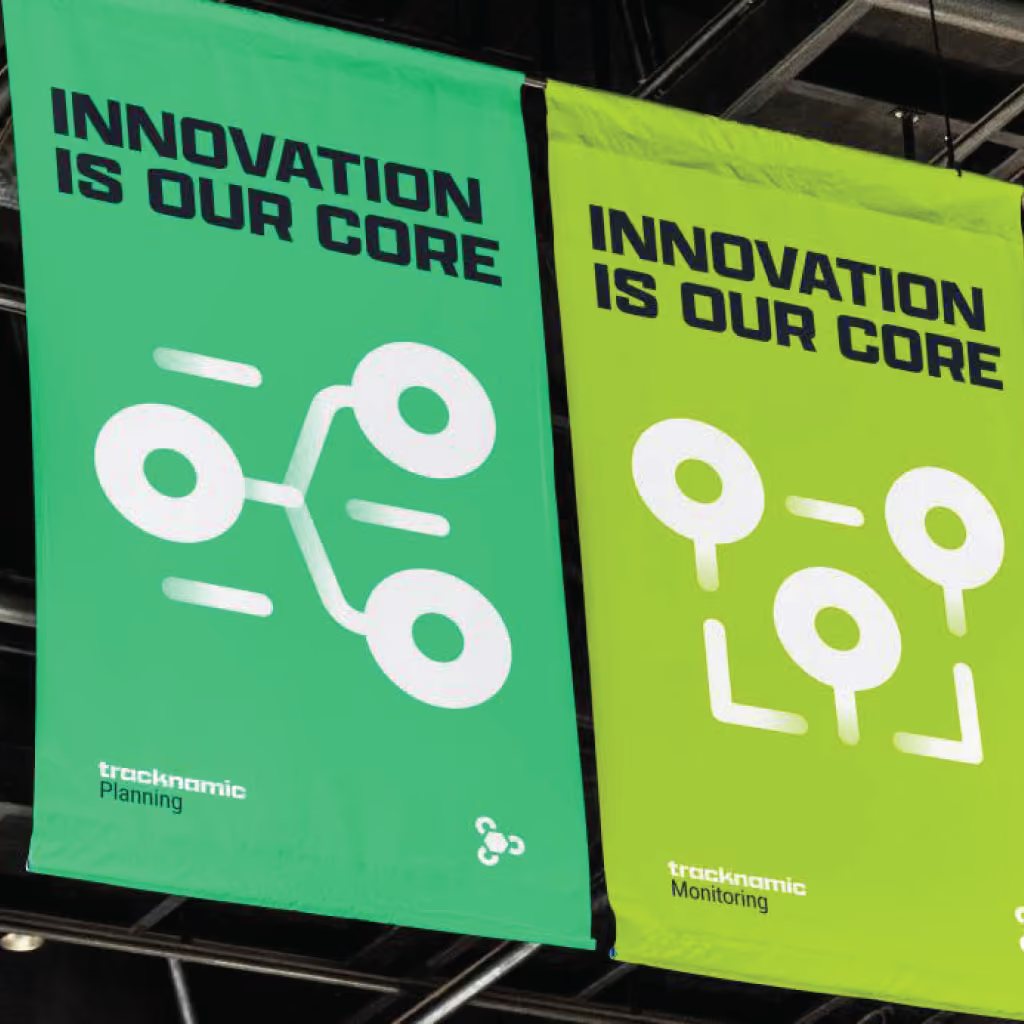
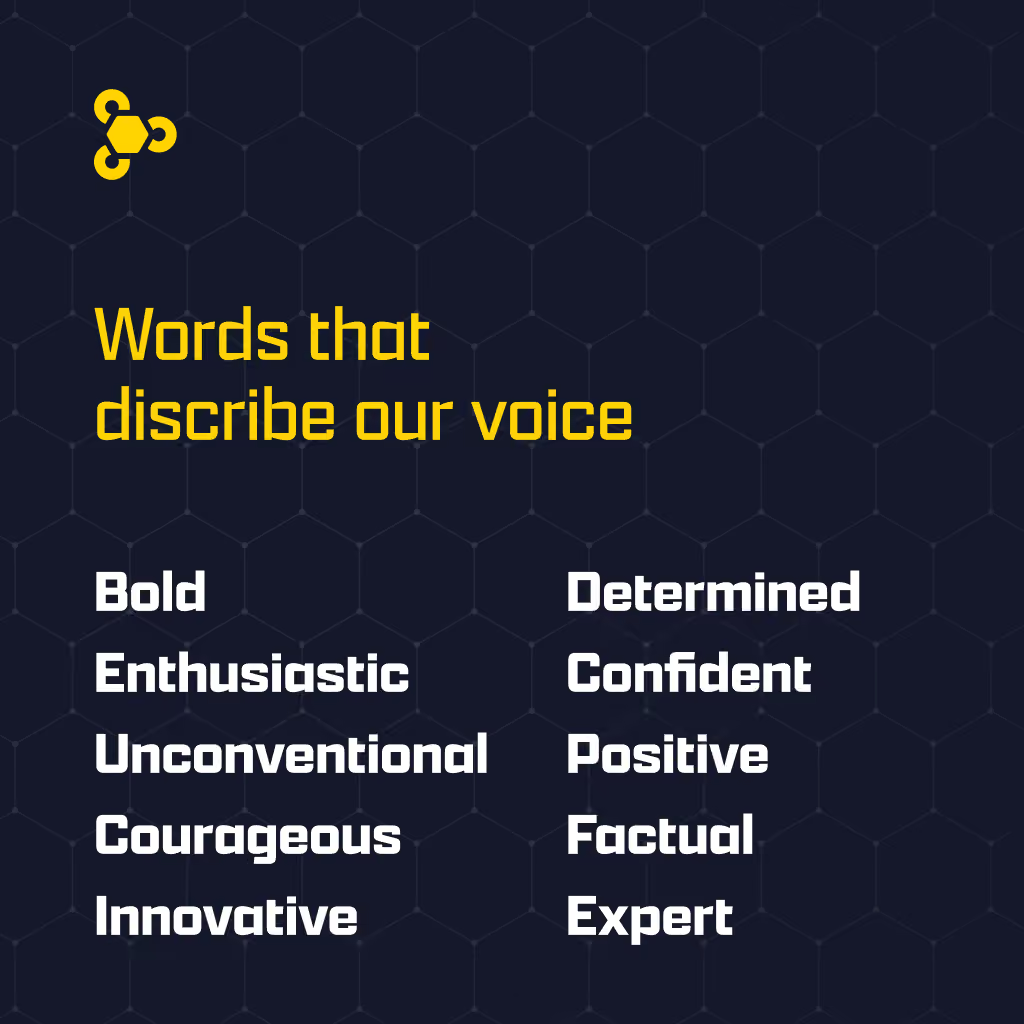
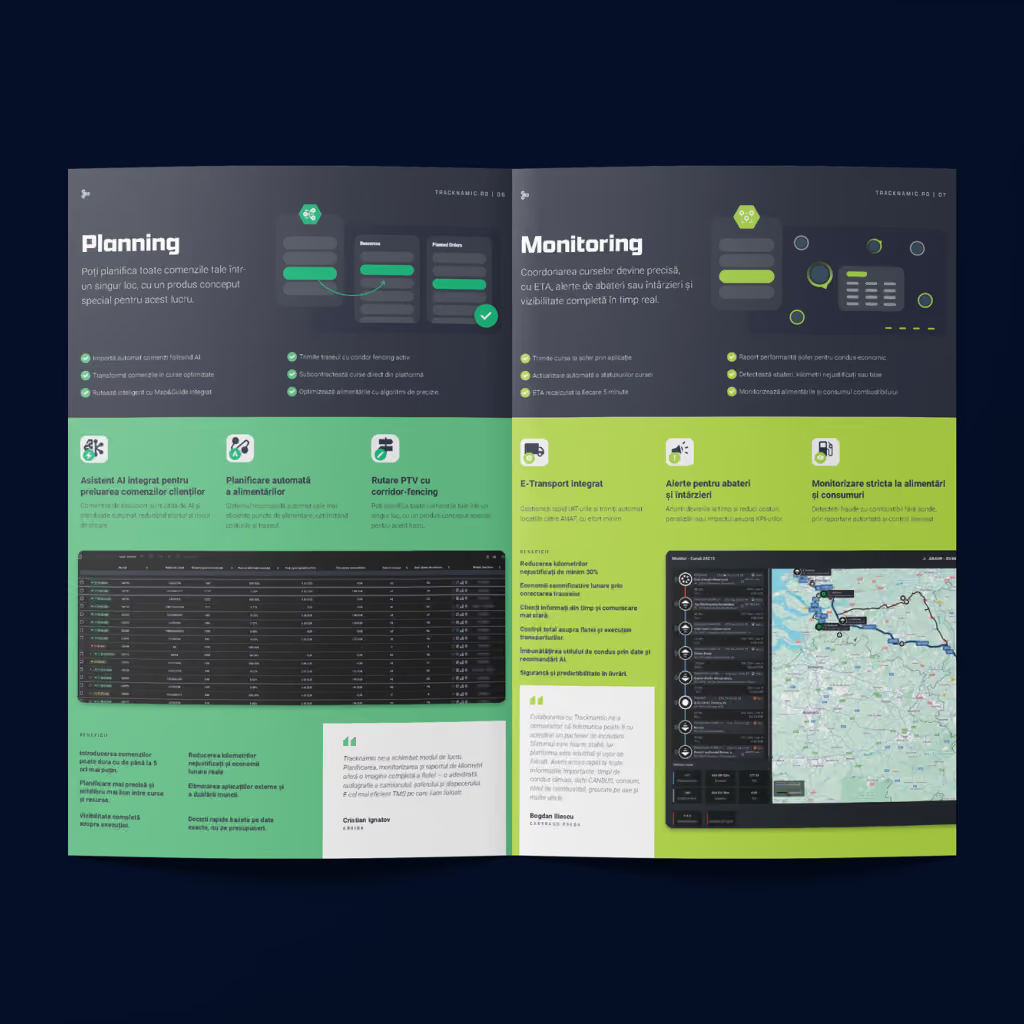
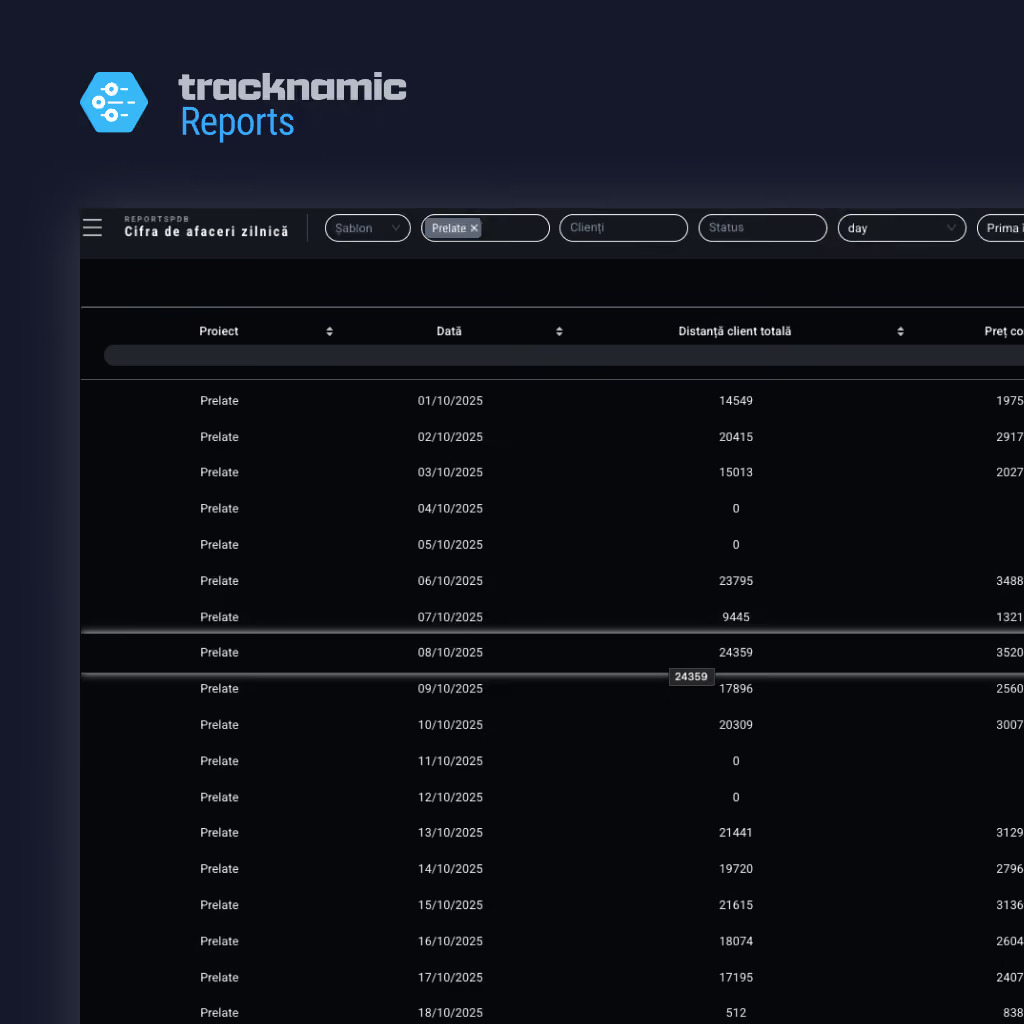
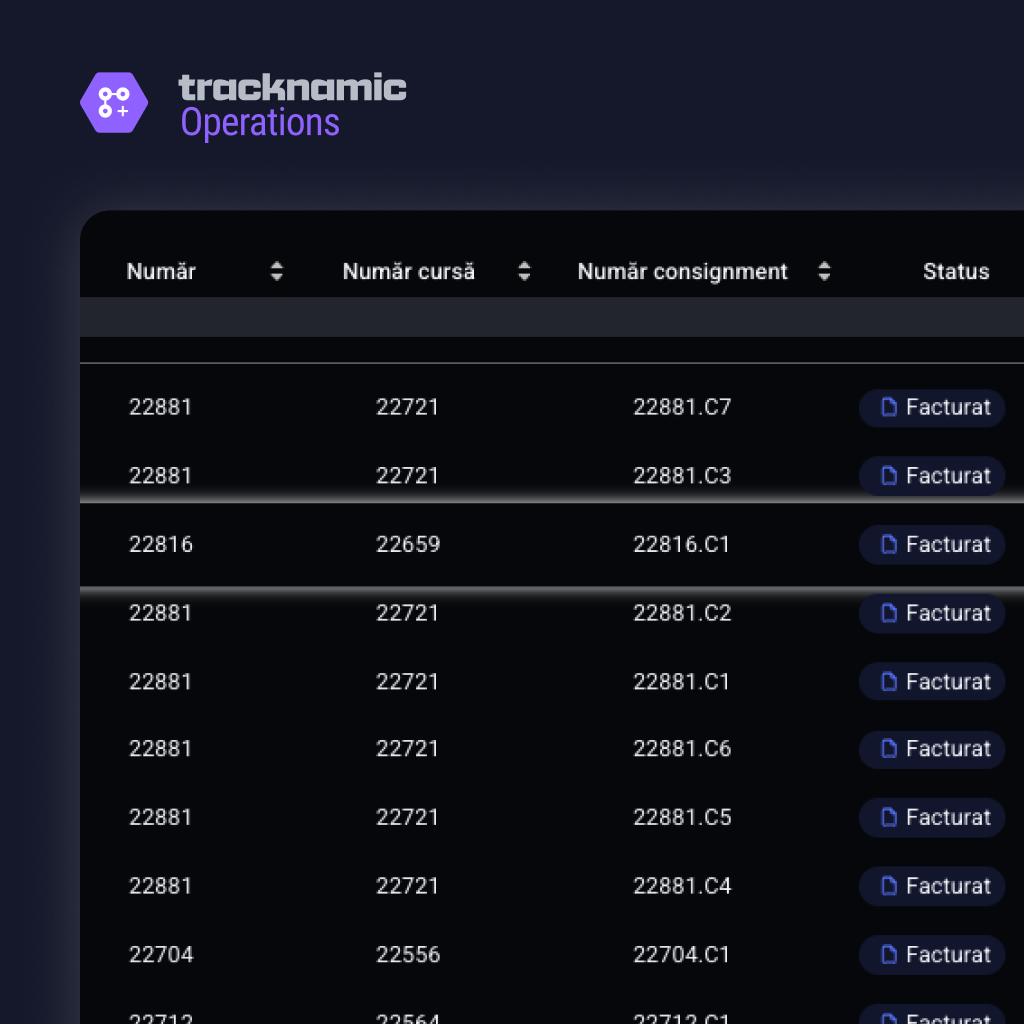
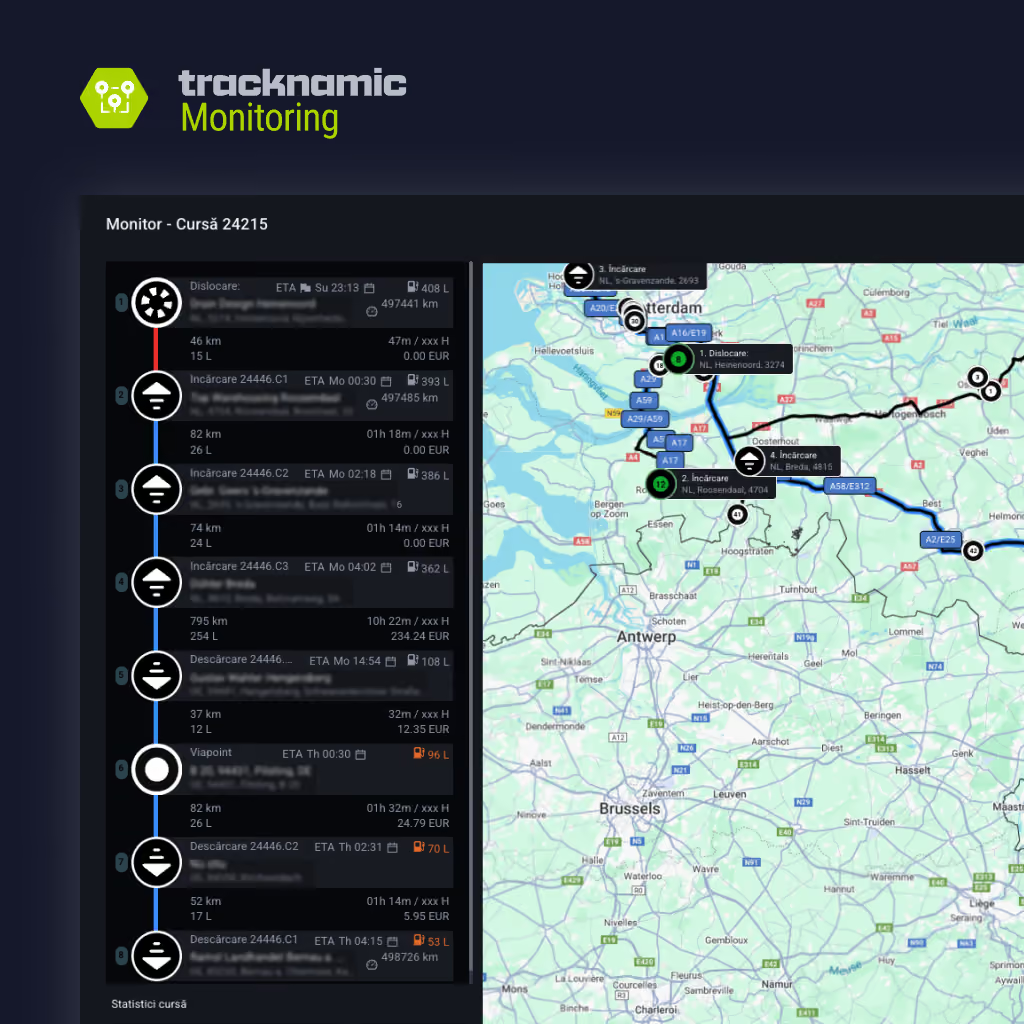
The rebrand was built to the new position: a new logo, new typography, a new aesthetic, none of it decorating a telematics product. The system underneath was made so every module the suite adds later still reads as Tracknamic, not as a bolt-on. We designed the system a platform runs on, not a logo.

Evidence, part two
We designed the new system with its users, not for them
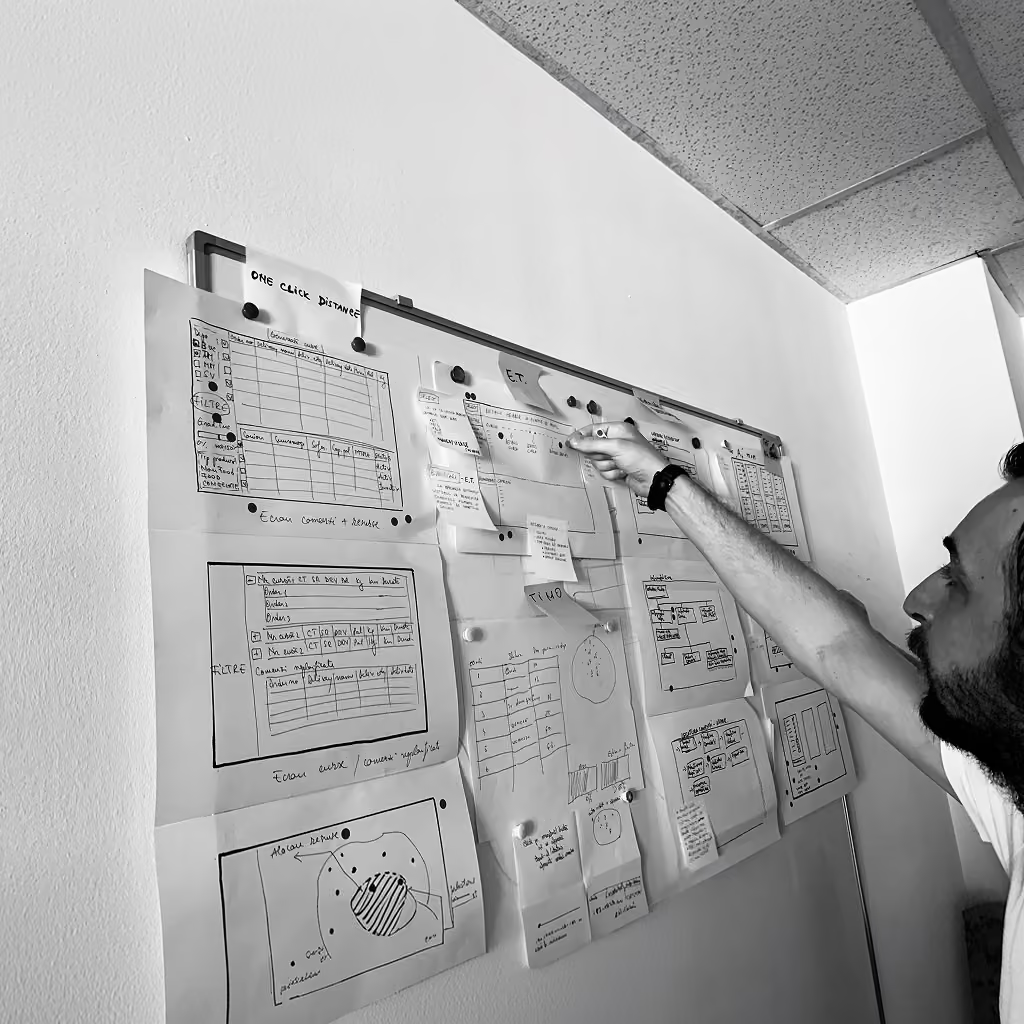
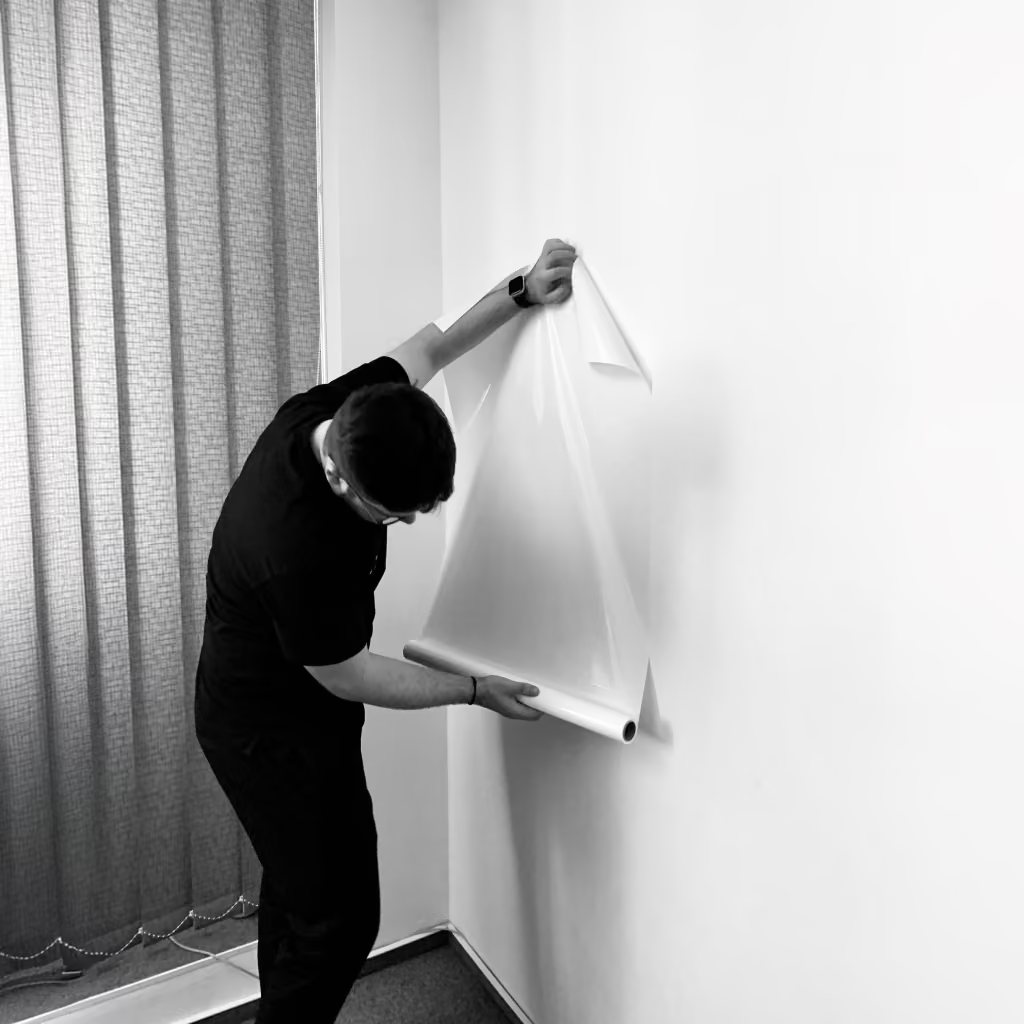
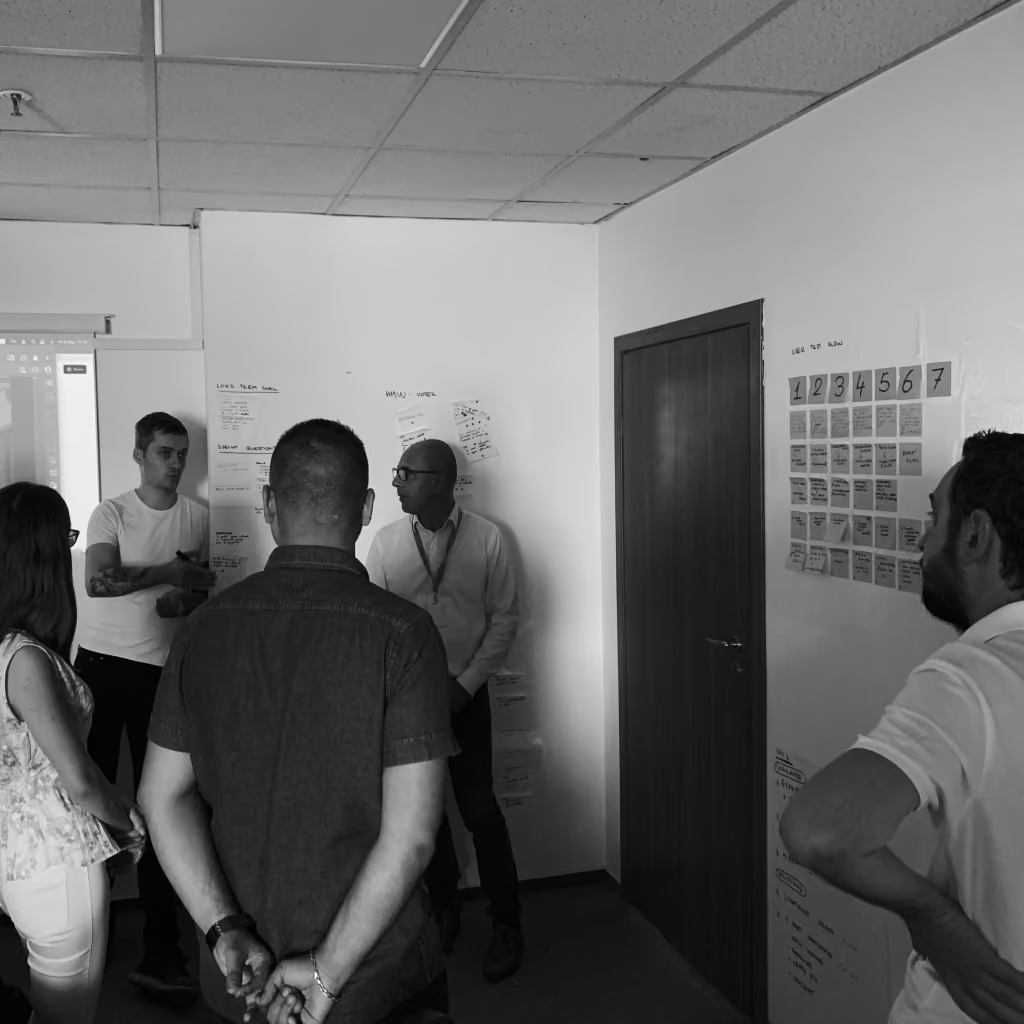
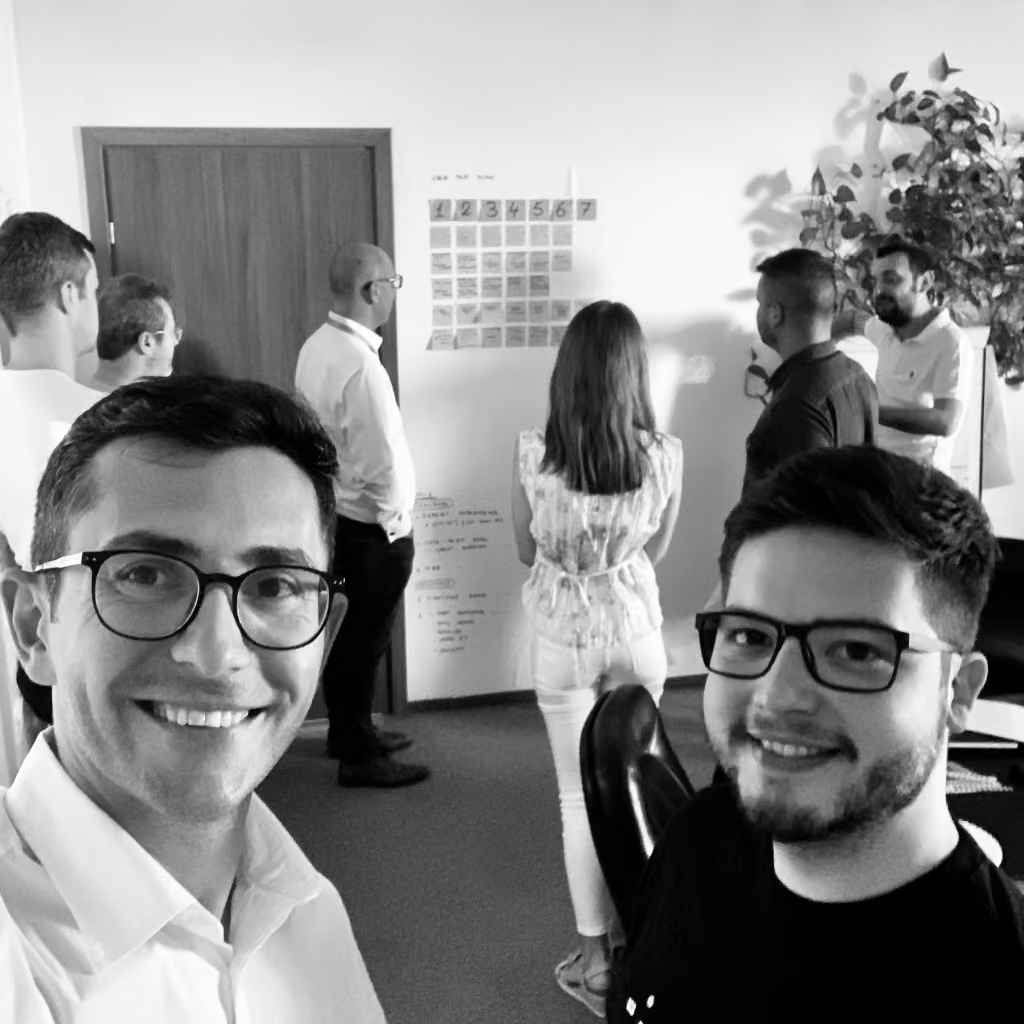
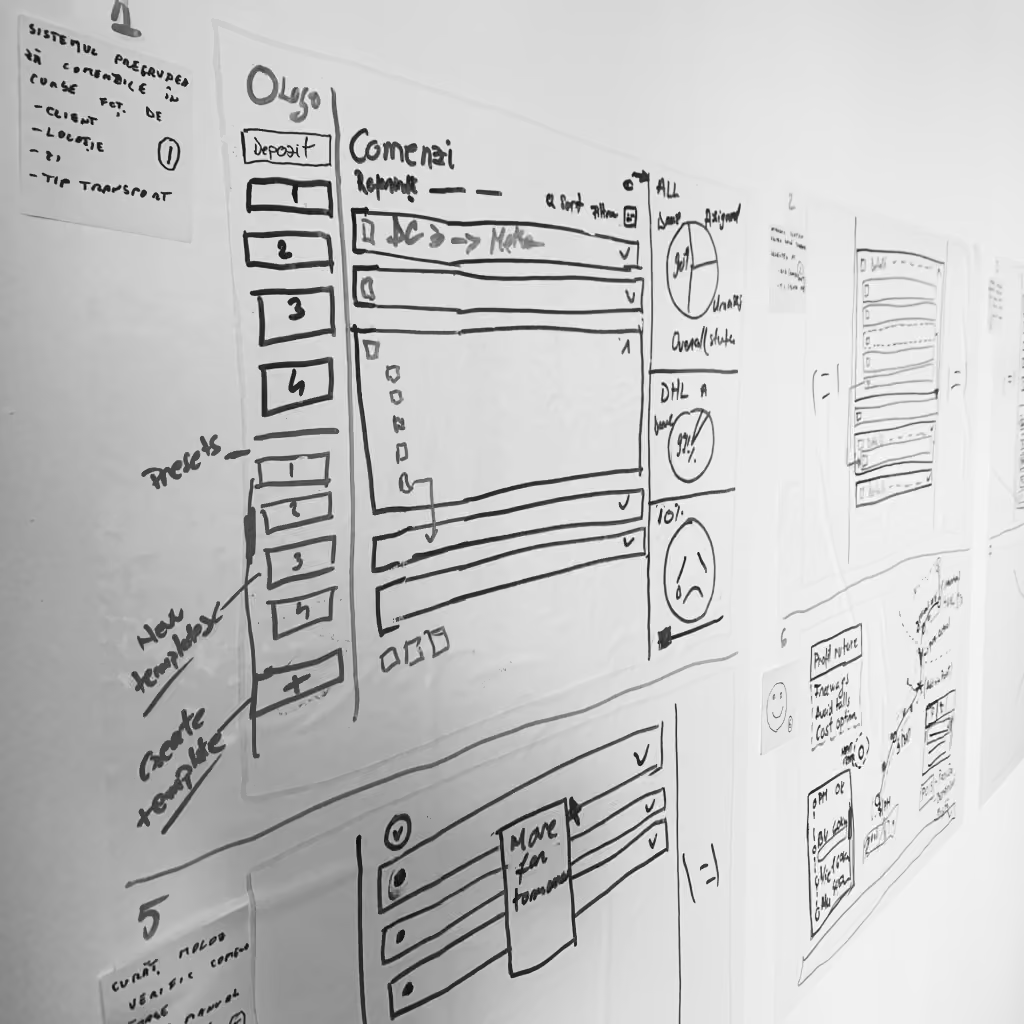
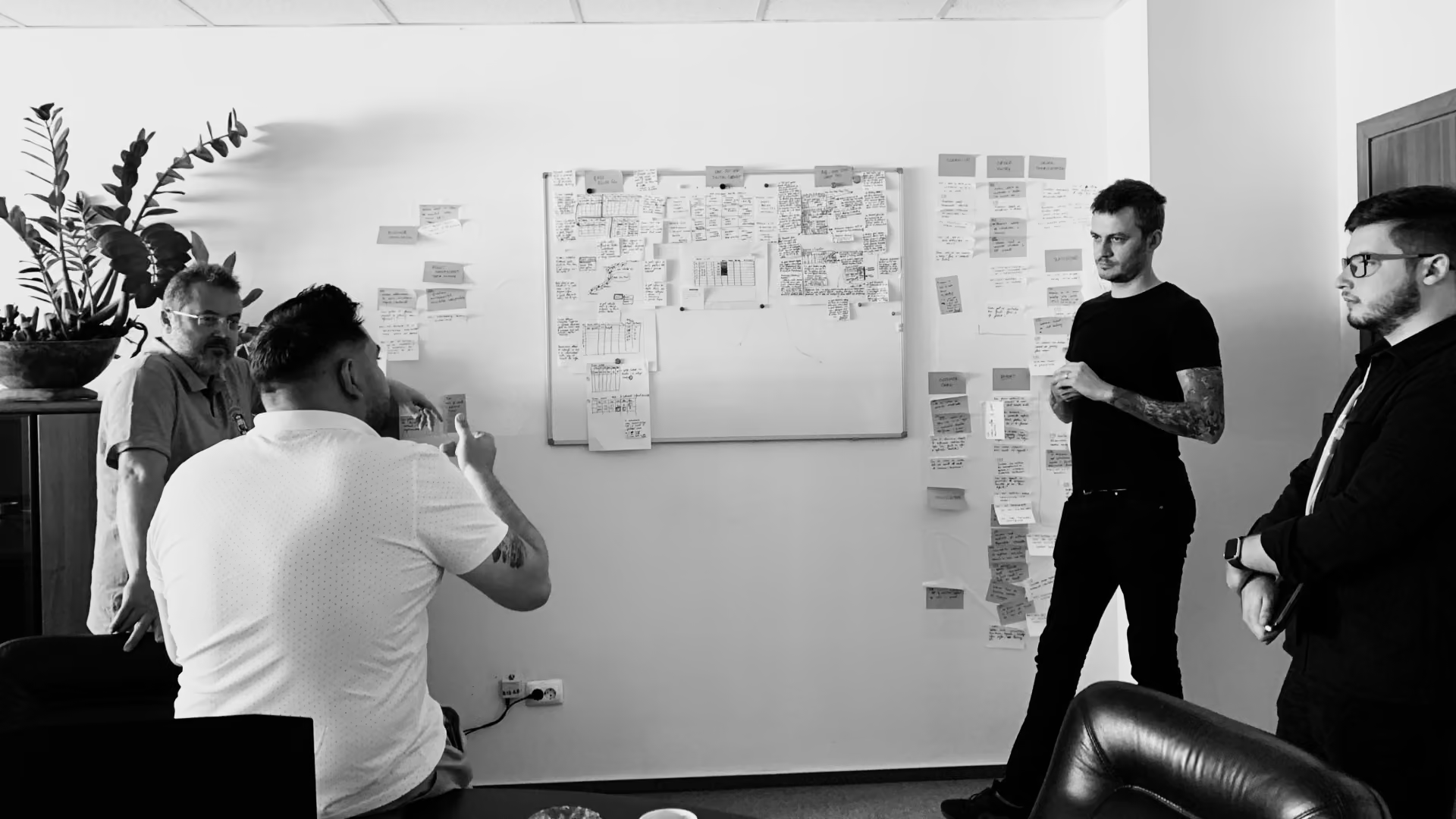
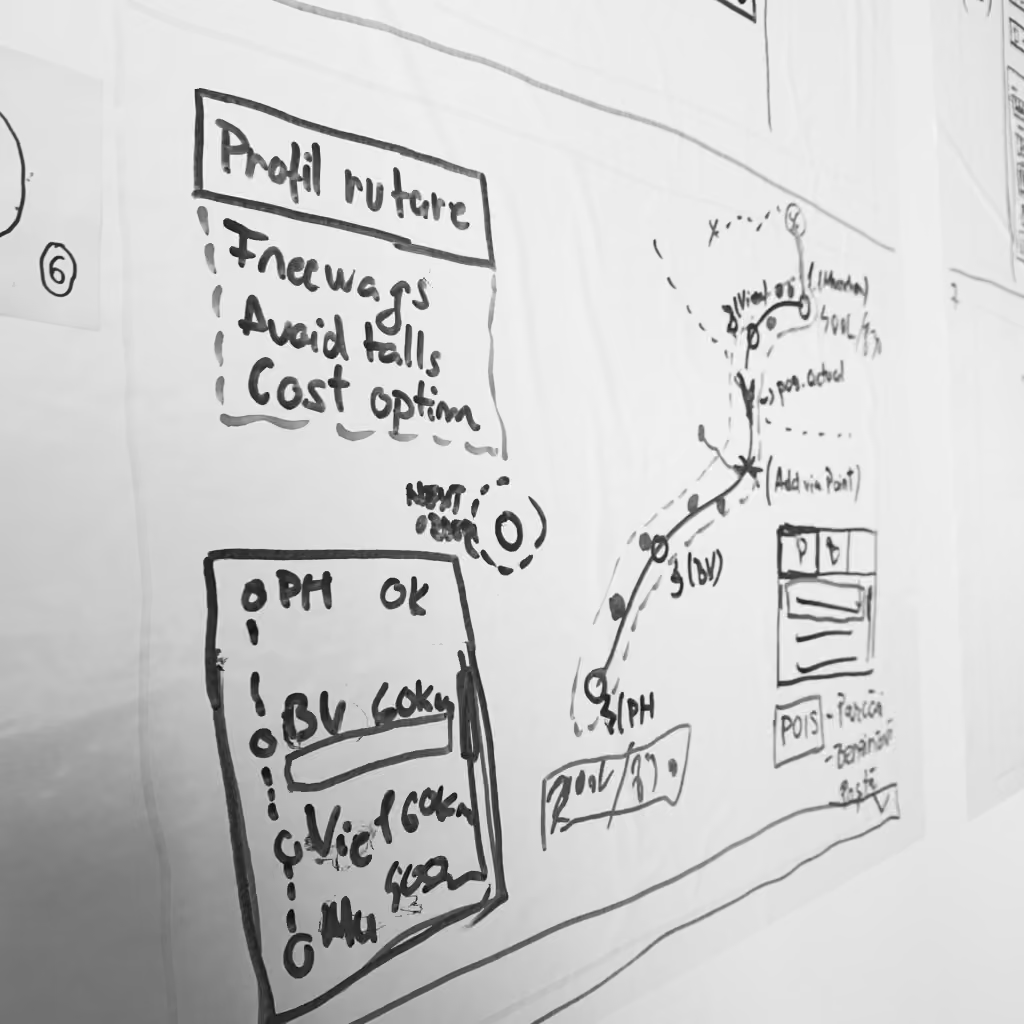
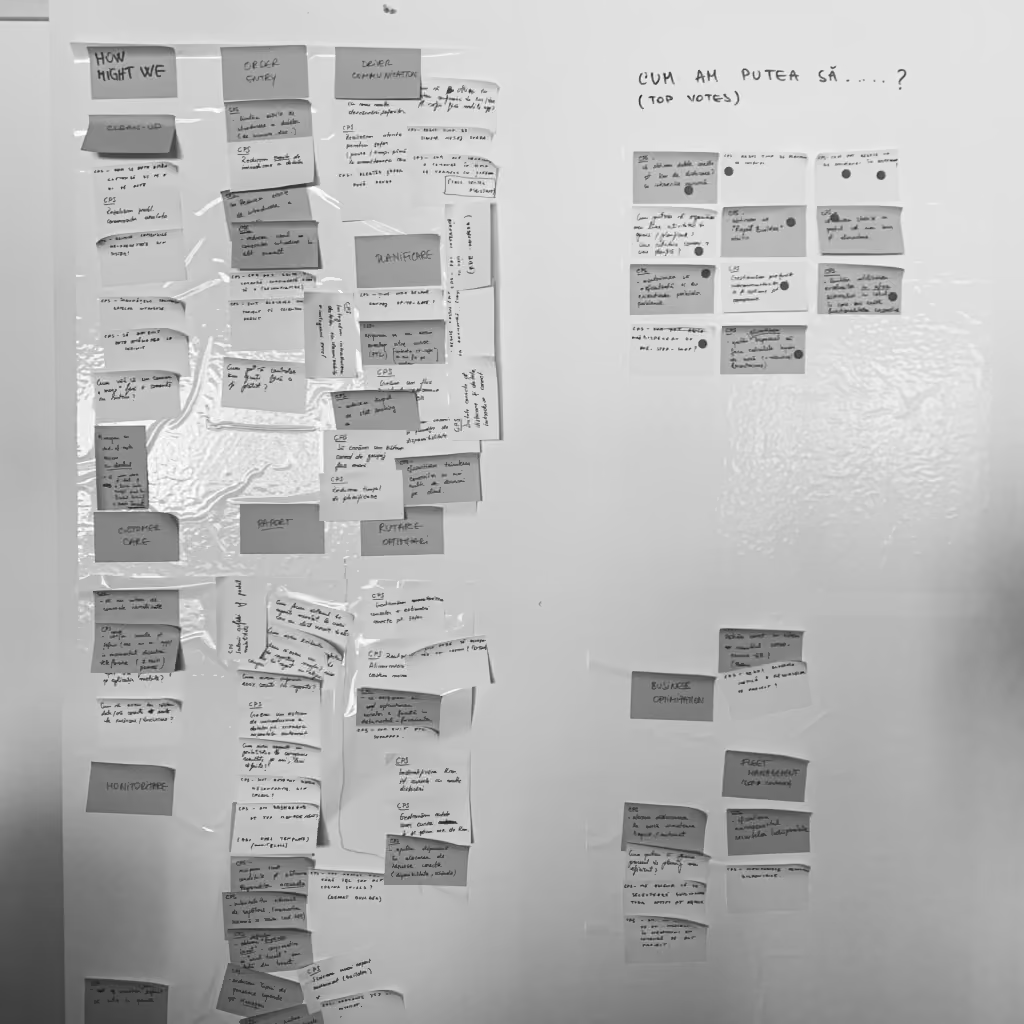
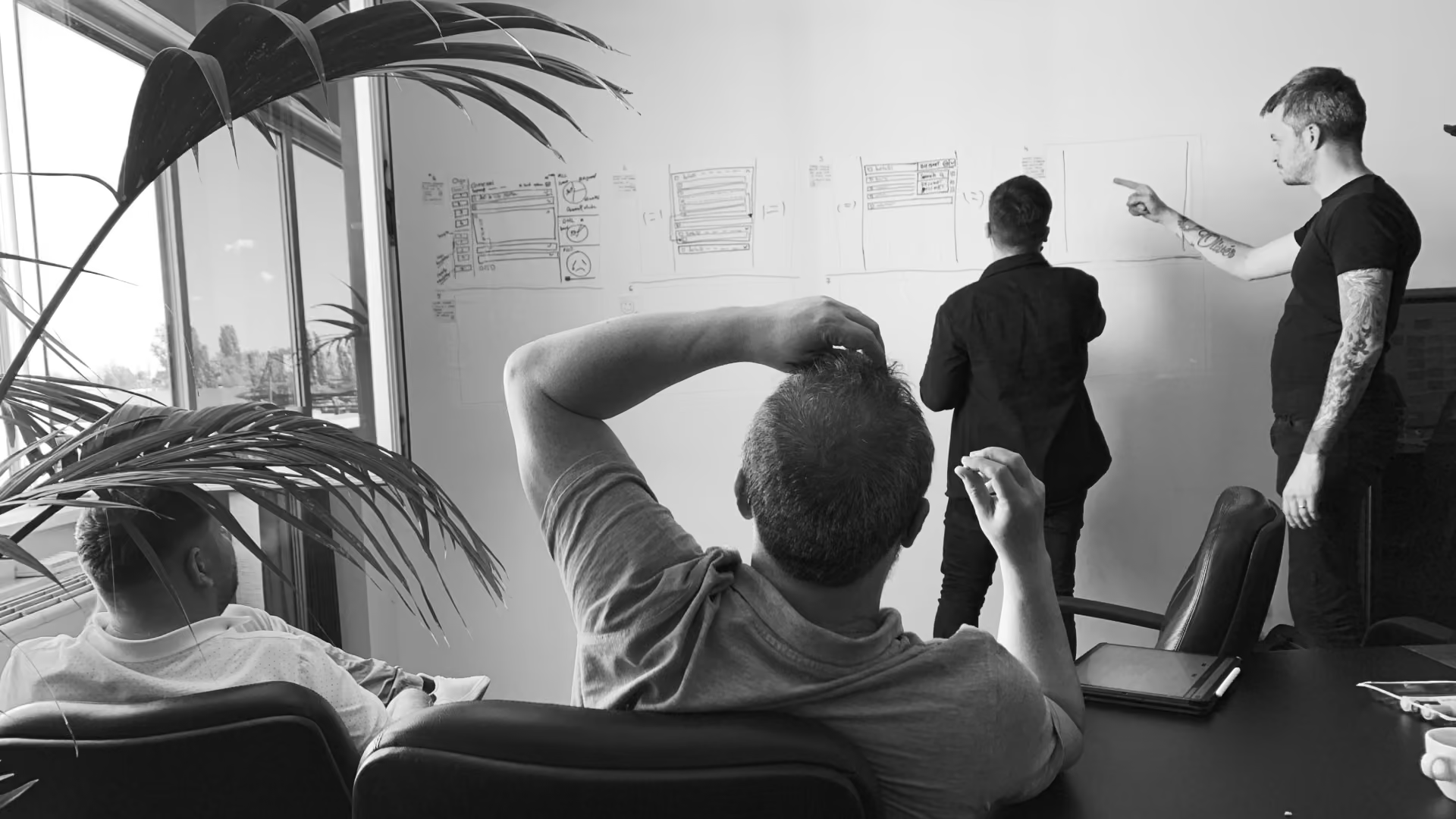
Most brand work stops at the deck. This went into the product. We ran Design Sprints with Tracknamic and one of its earliest, largest clients: workshops, interviews, and shadowing the client's team, the real users, to see how they worked the current tools and where they forced their own workarounds. Then we co-created, prototyped fast, and tested with those same users.
Evidence, part three
Then we gave them a foundation they could build on alone
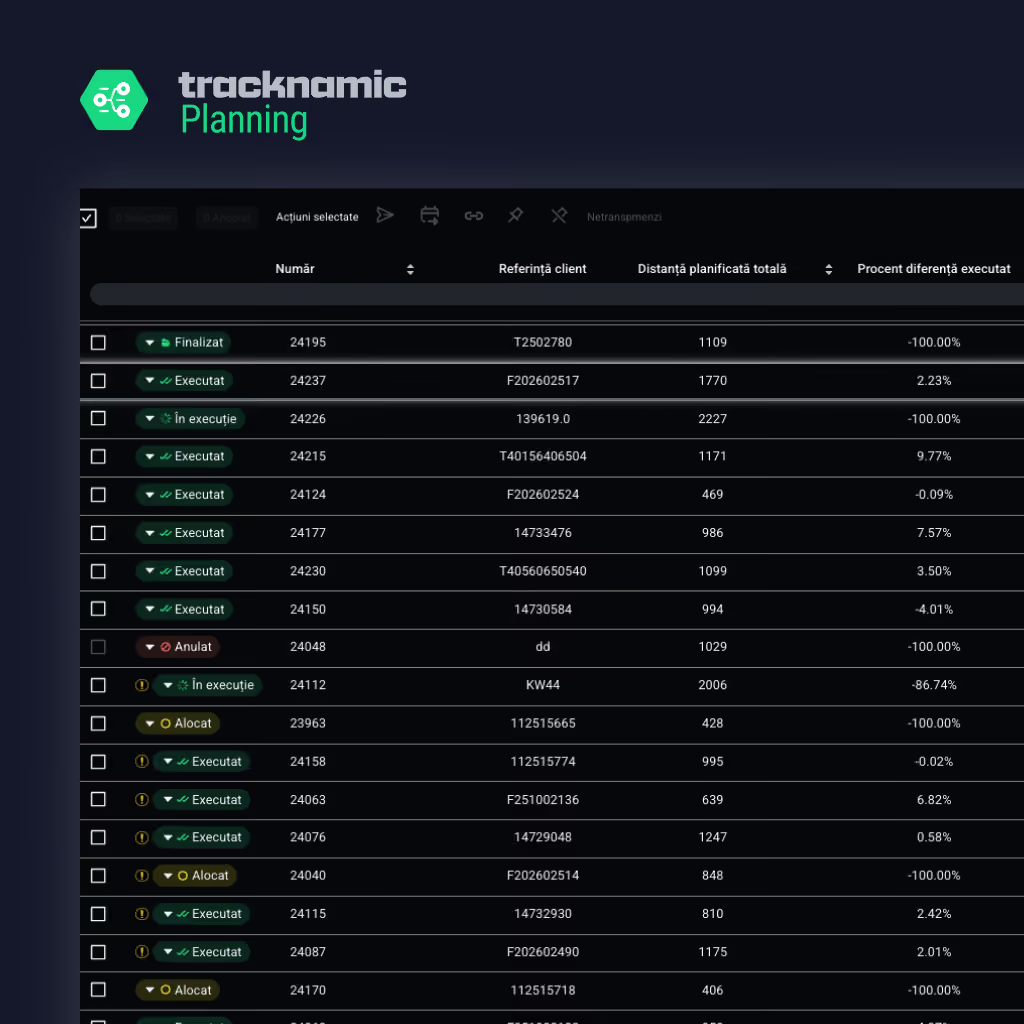
The sprint became a working base: refined prototypes, a design system v1.0, and the UX and UI the product would stand on, with a product icon system running across the suite. It let Tracknamic validate the direction with a rapid prototype, then keep going on their own, updating the design system and improving the product release after release, without us in the room.
The outcome
His vision drove the reposition. Ideal: what changed when the company stopped selling a device and started building a platform, or what the foundation let the team do on their own.
Istvan Barta
CEO, Tracknamic
Closing
The same company, at a different level
Tracknamic did not need excavating. It needed a partner that could help it become the next thing, then leave it able to carry the work itself. We gave it a name when it had none, a platform identity when it outgrew the first, and a product foundation solid enough that the team could build the rest without us.
Share project